




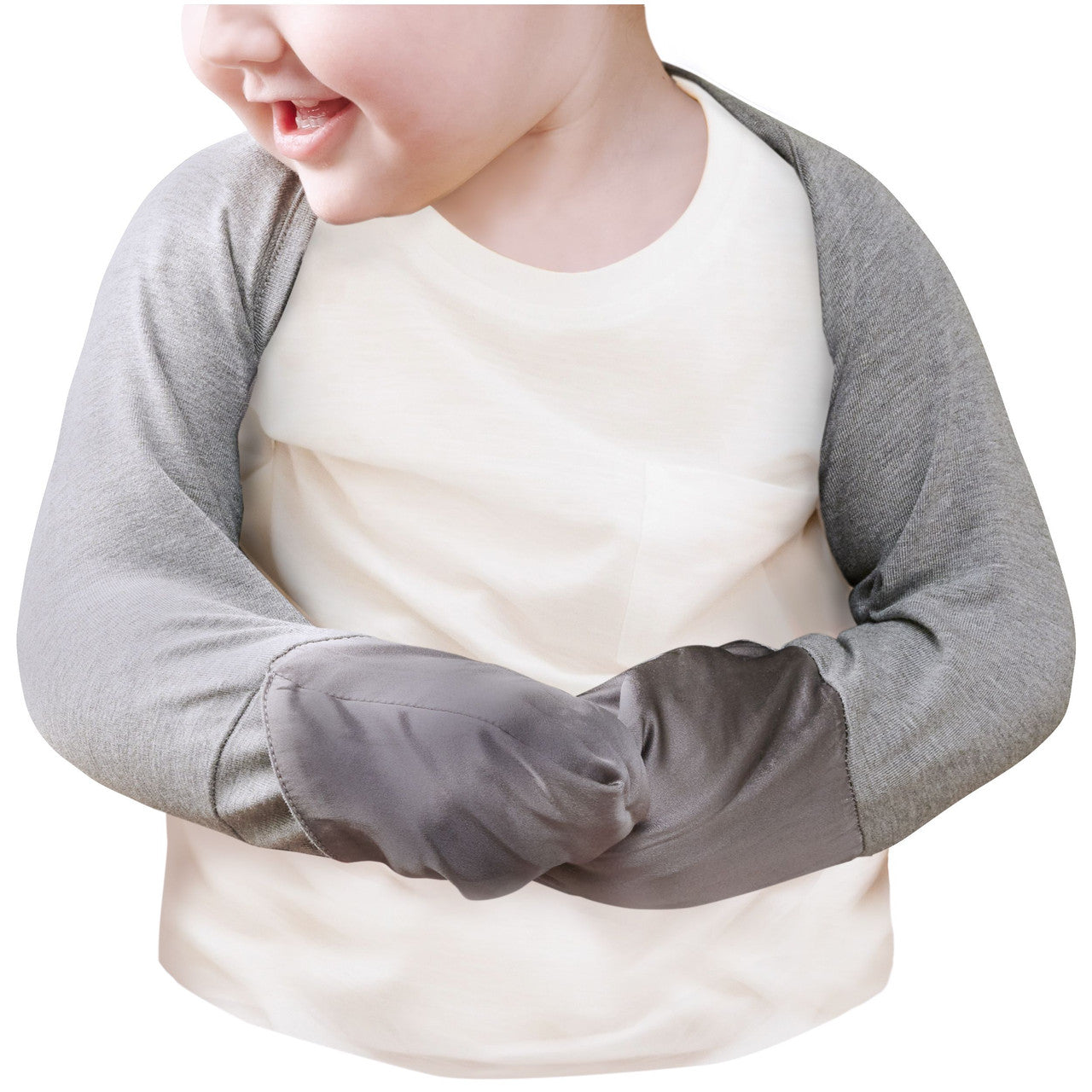

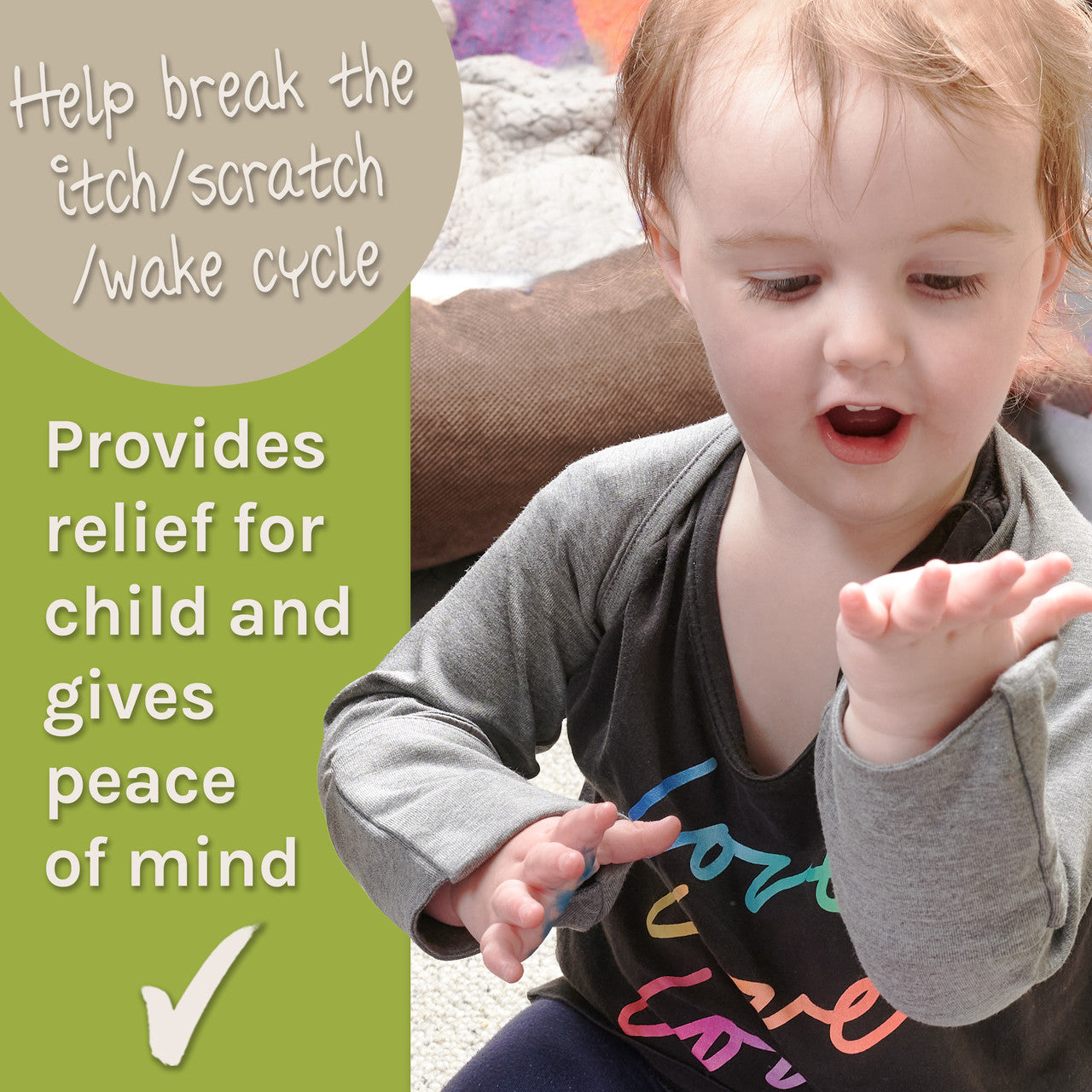



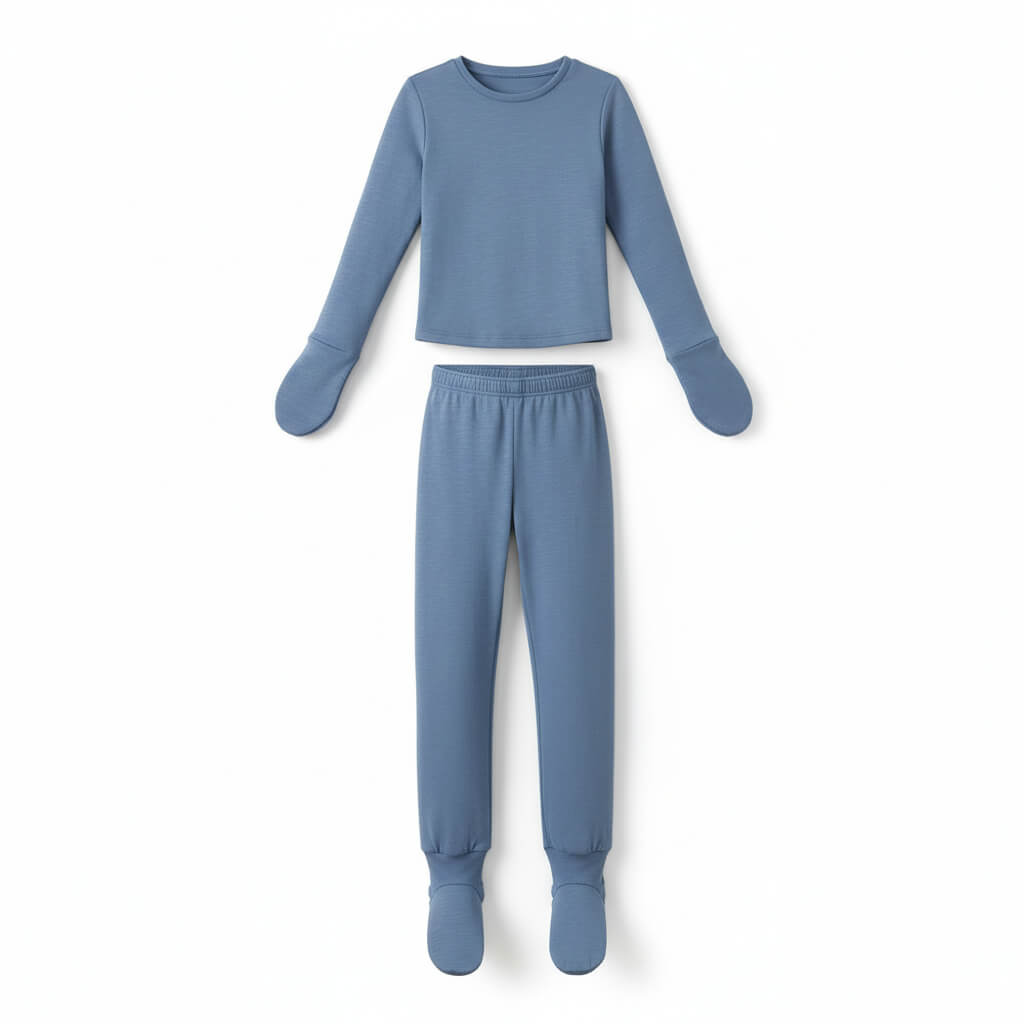

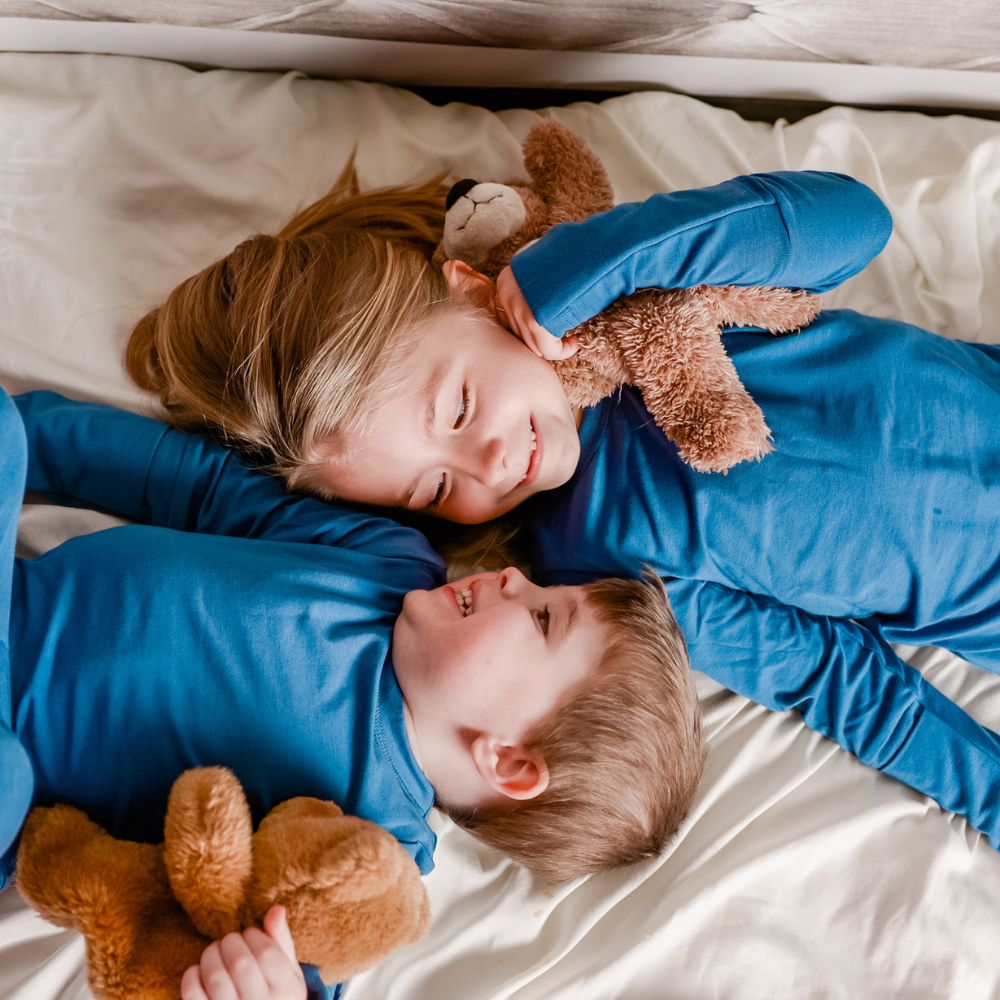

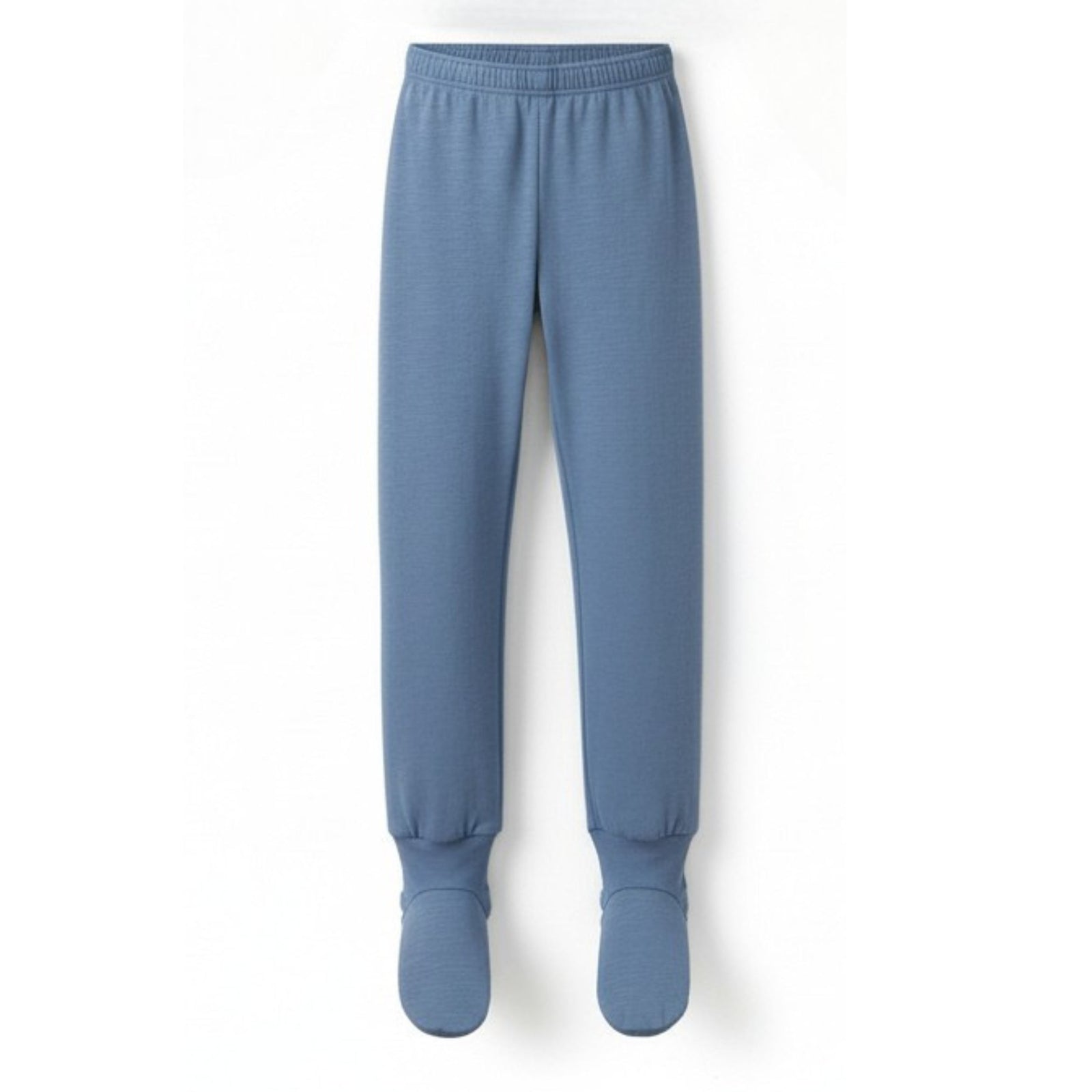

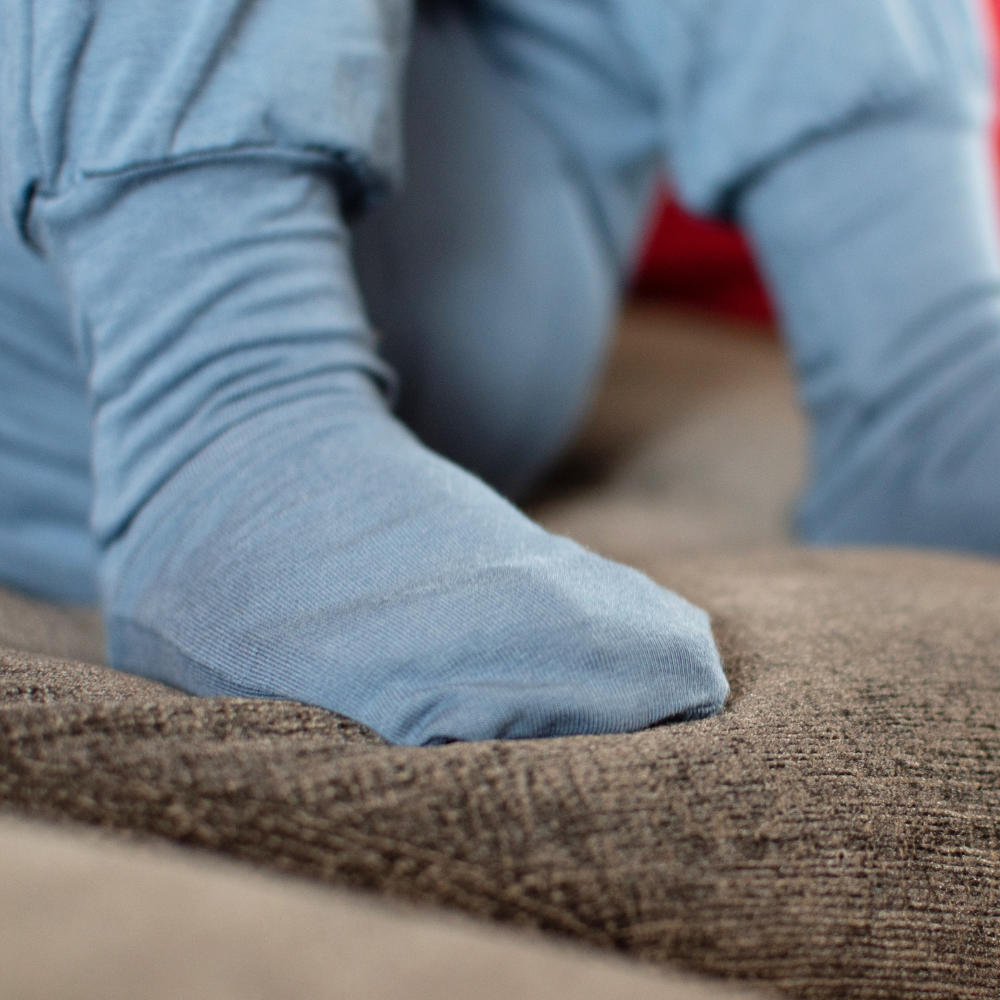



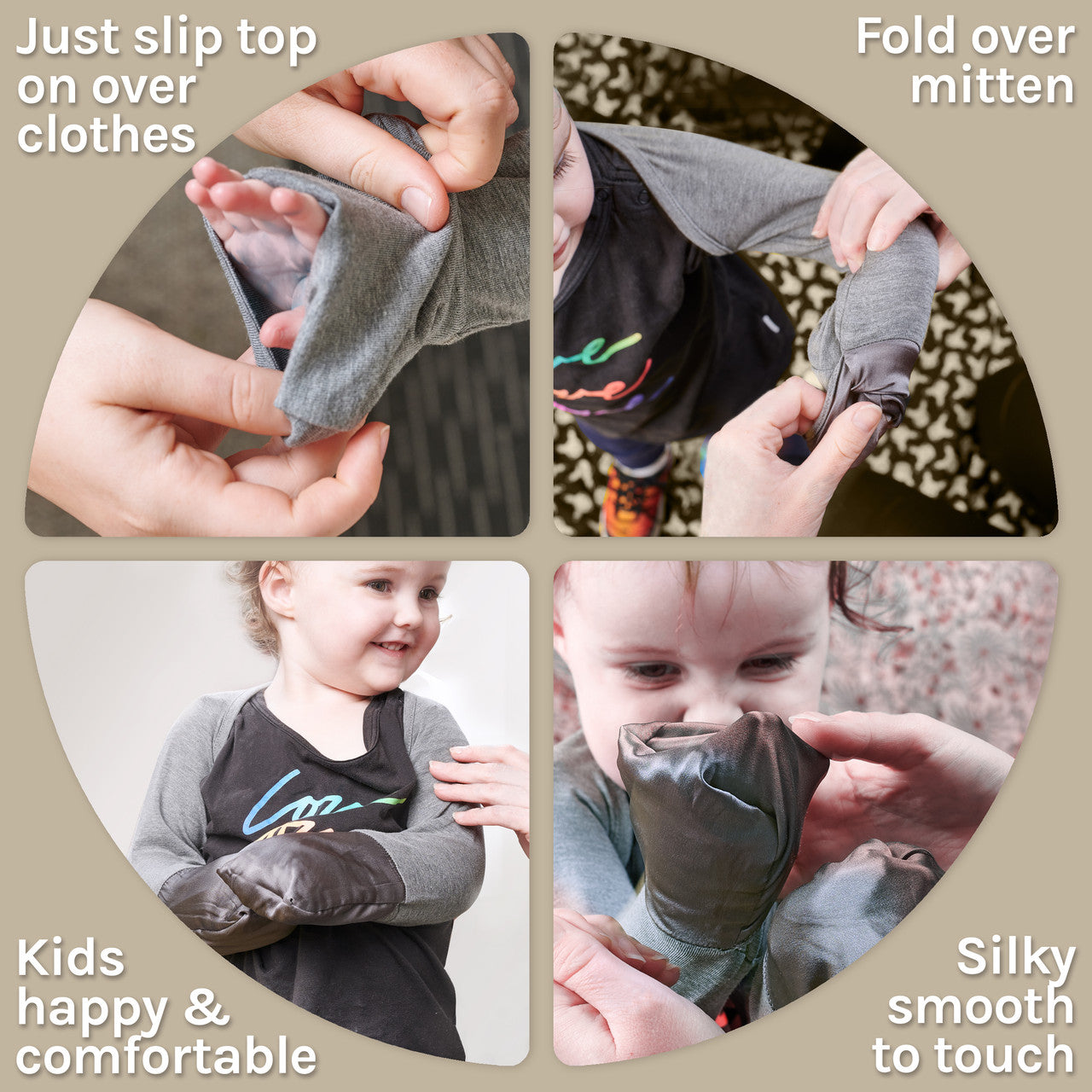

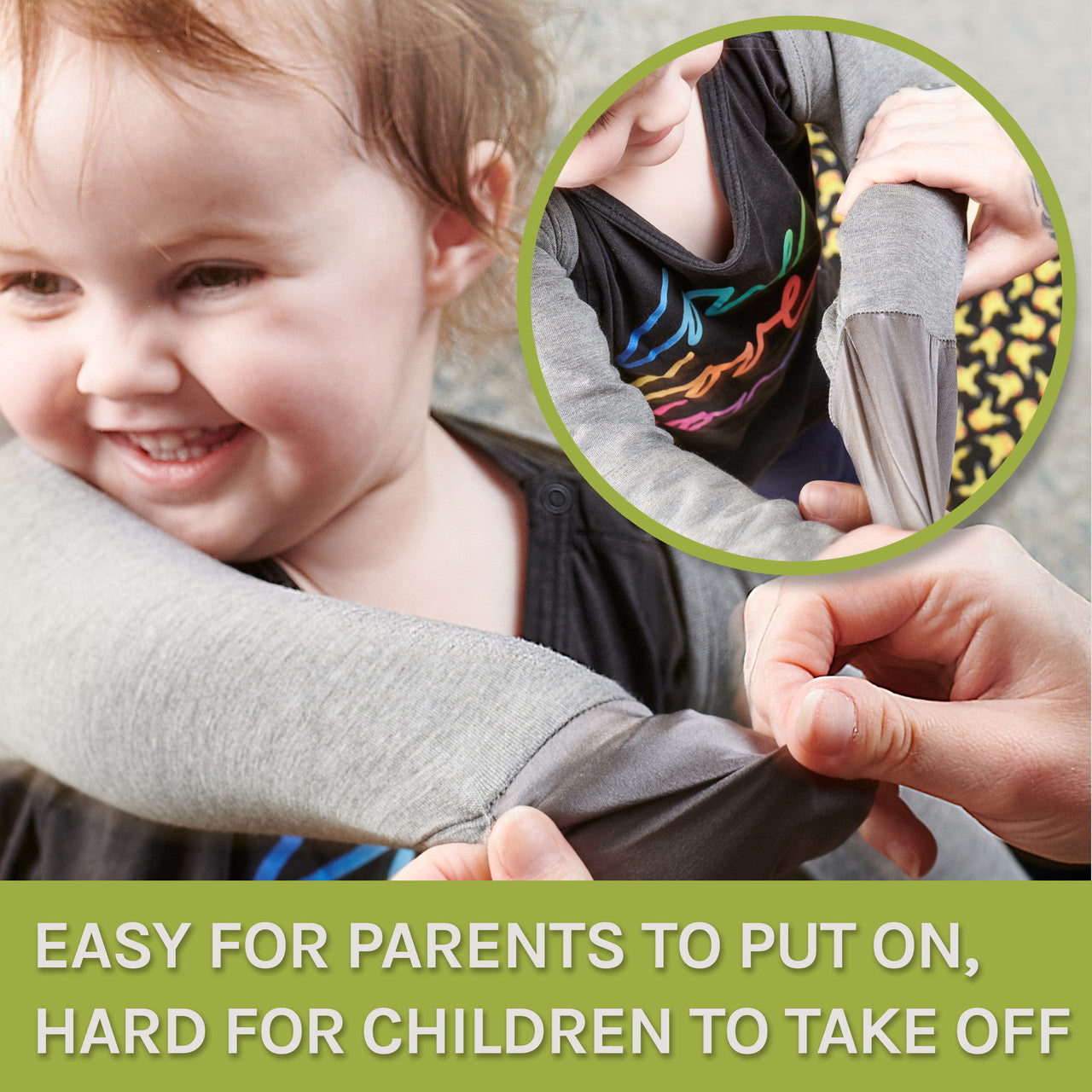

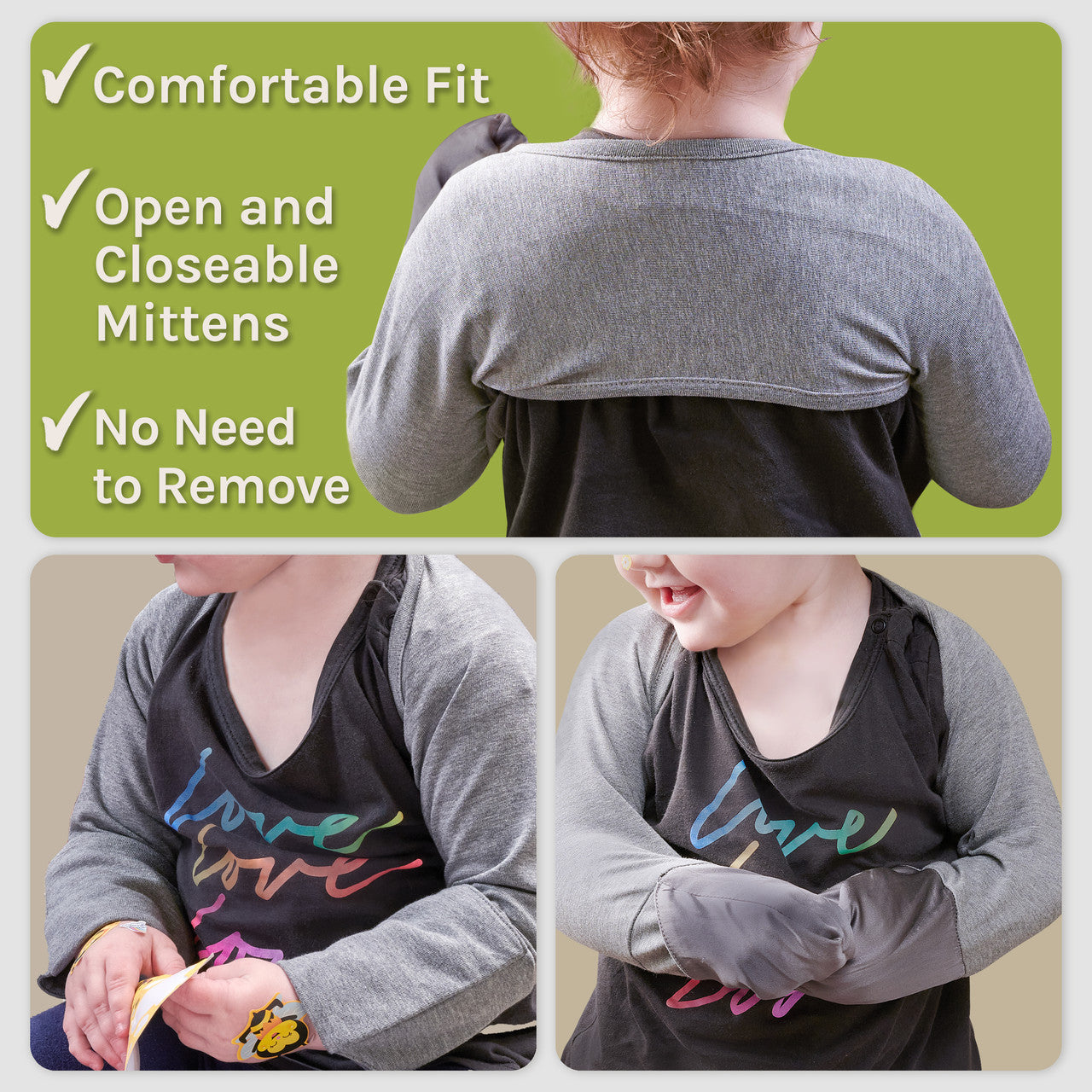

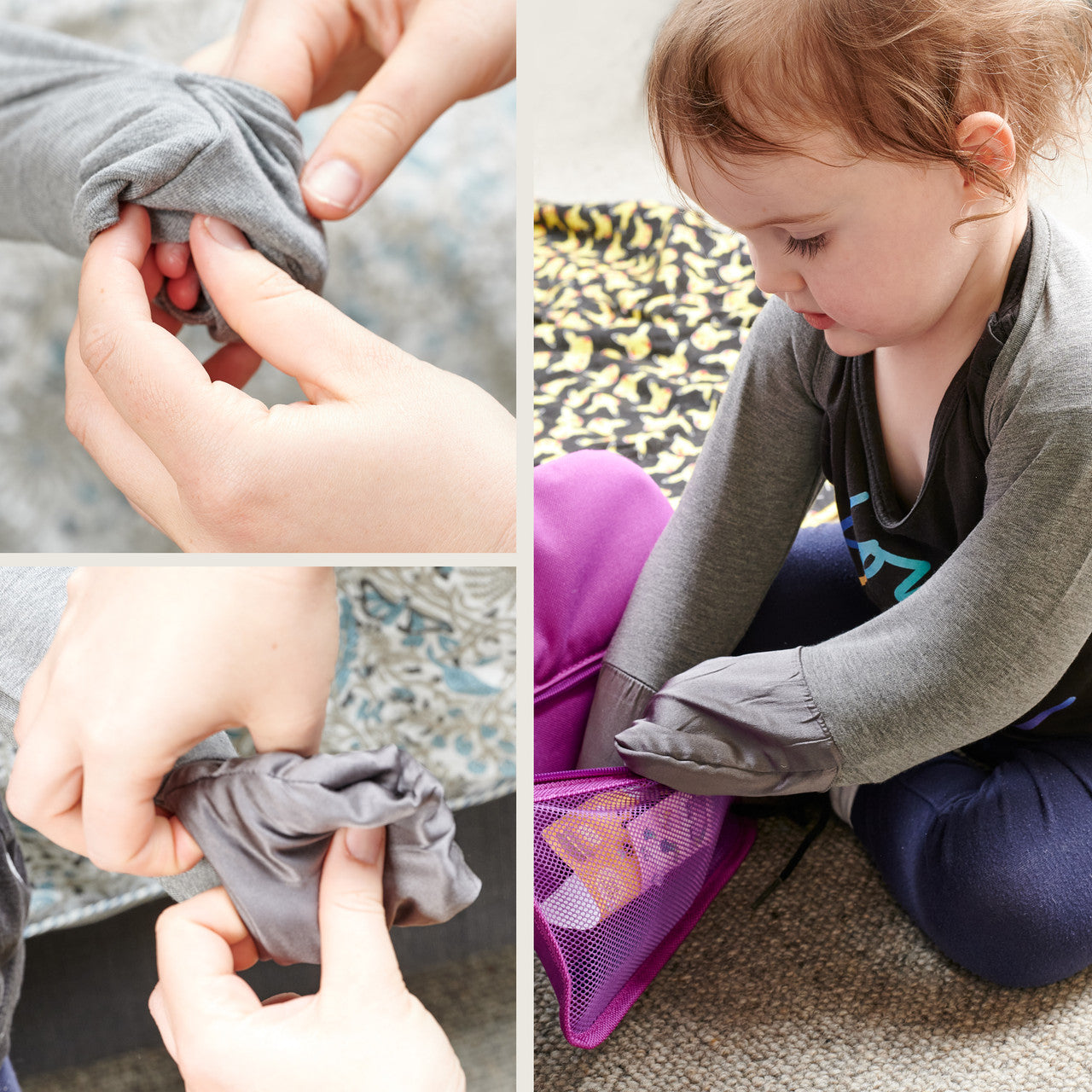

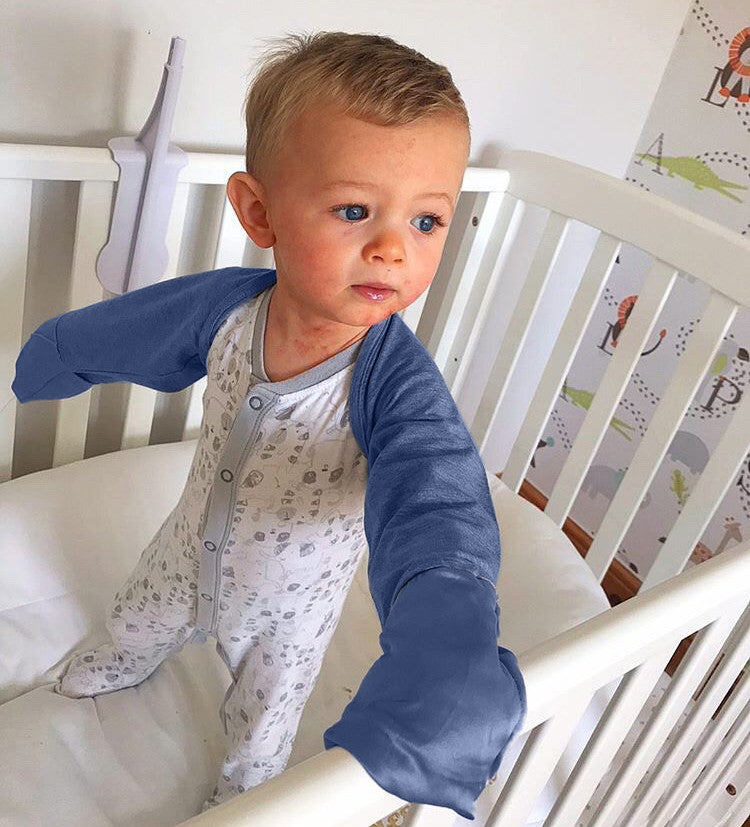

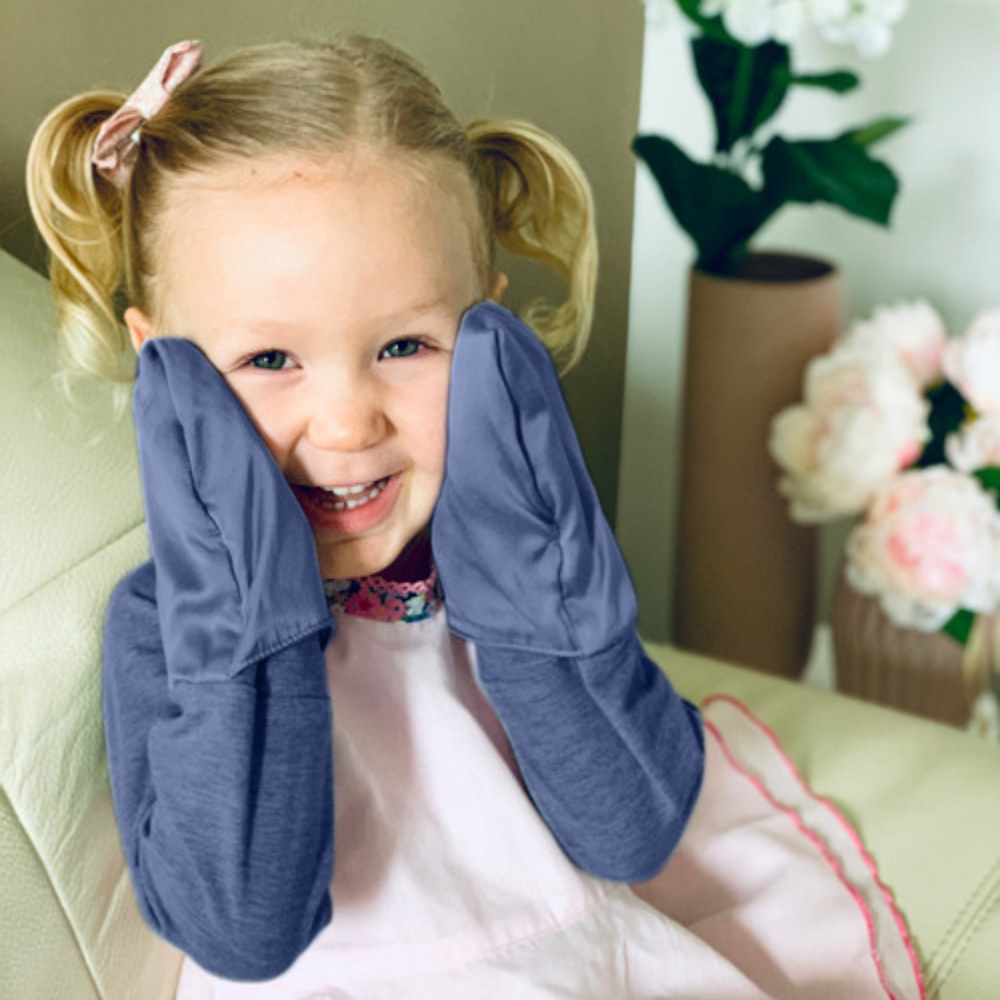

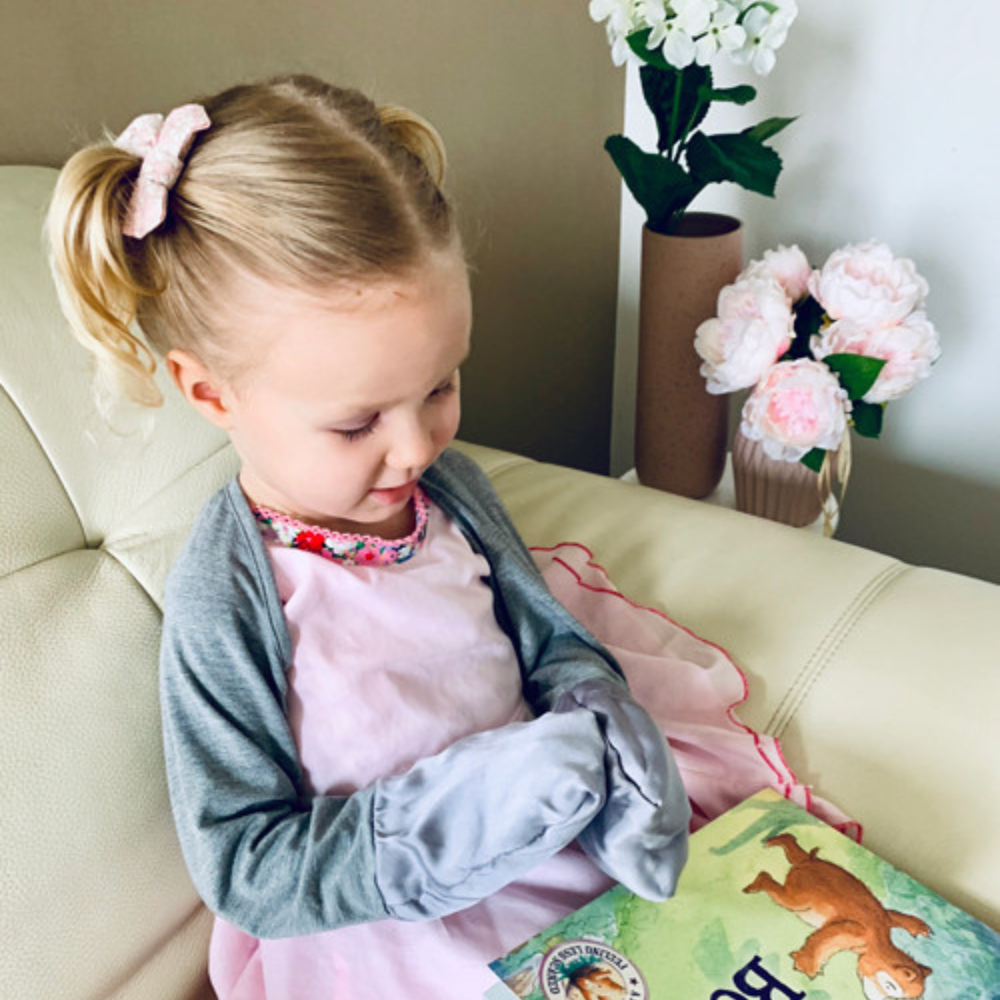

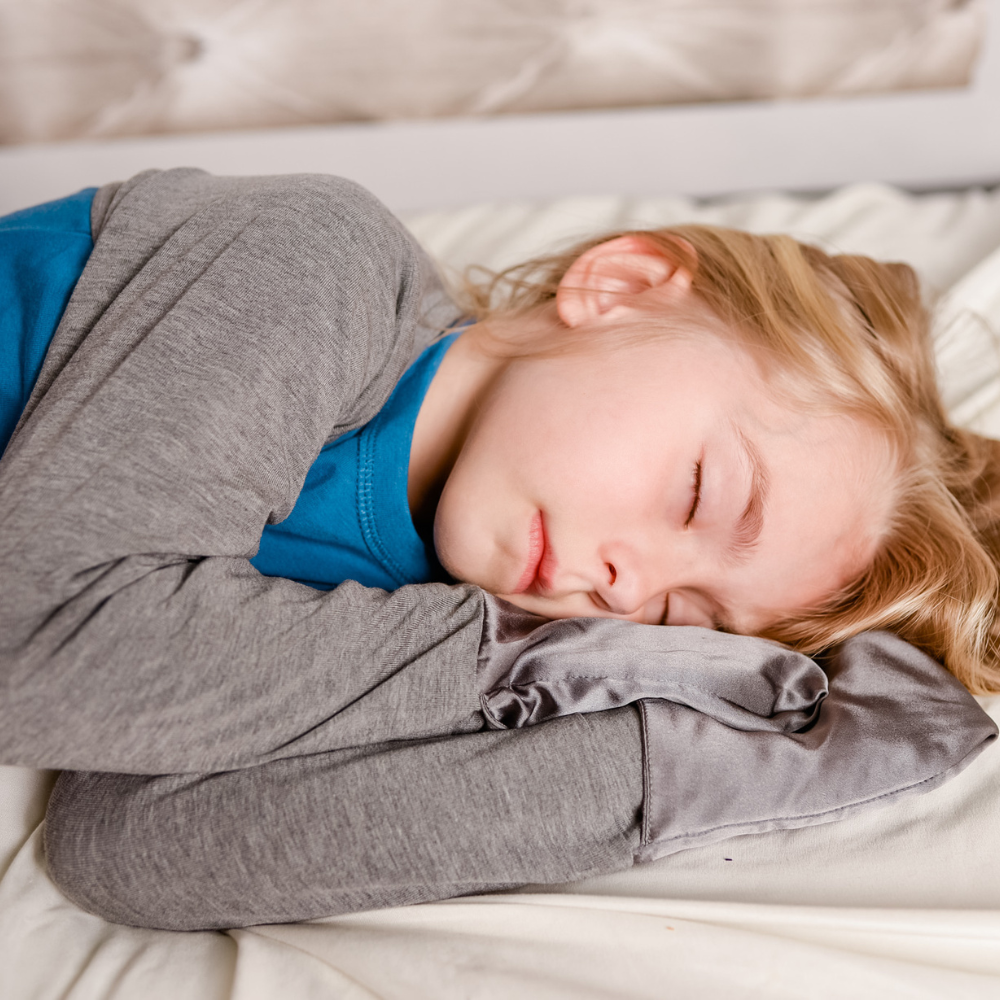


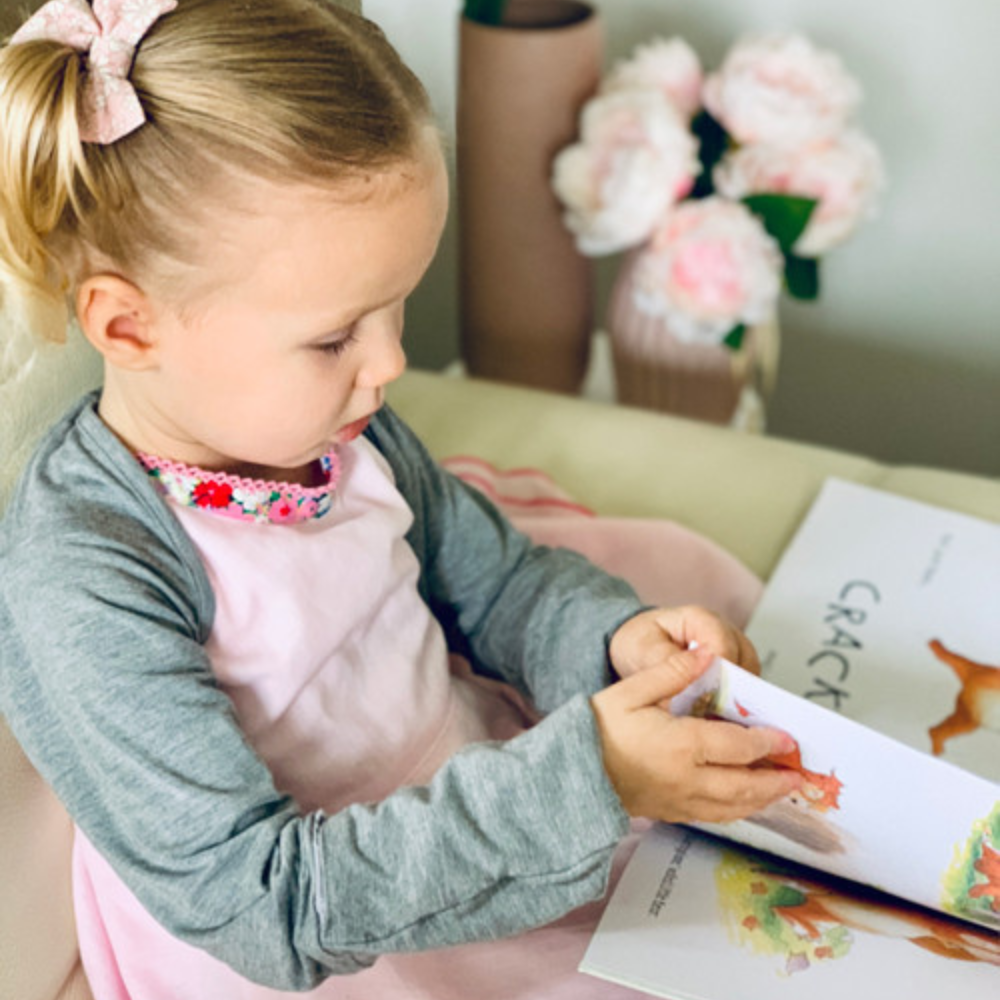

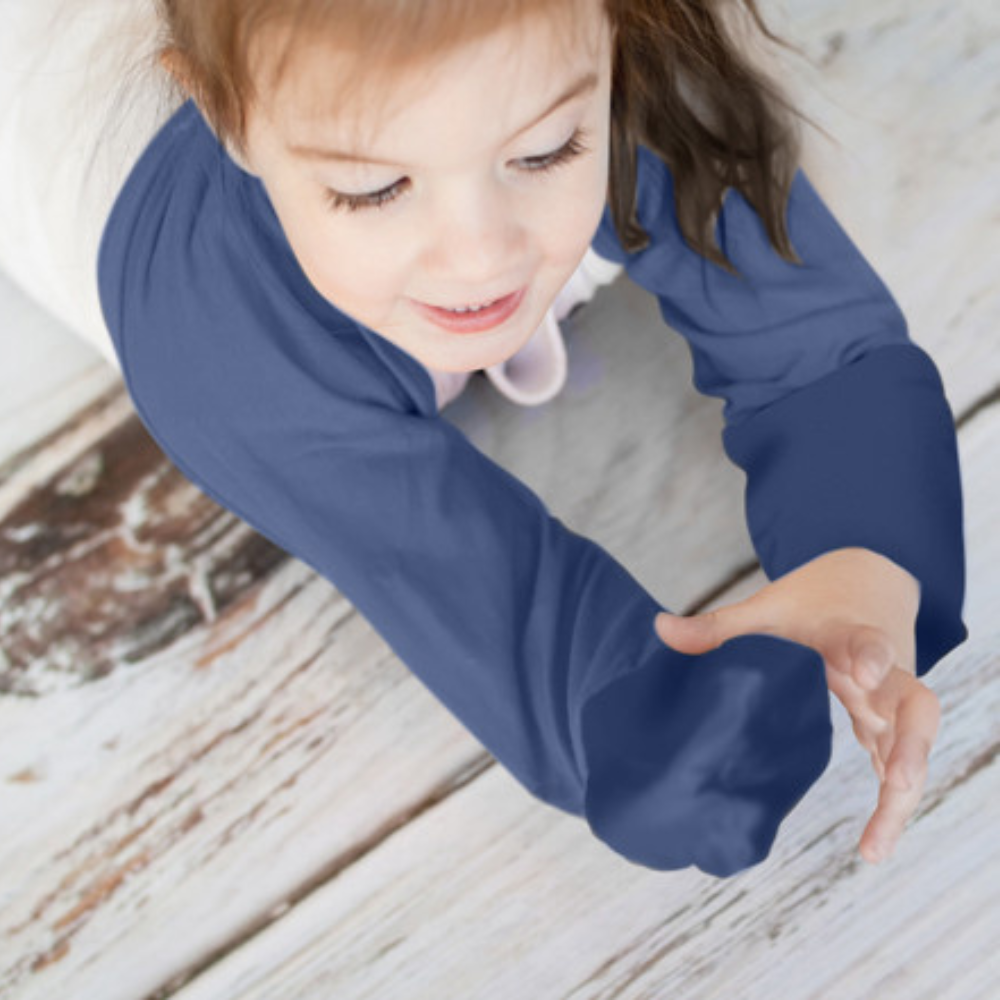


We've used these bamboo pajamas and scratch sleeves since my daughter was a baby and until now when she's 8. We've used multiple brands and this is by far the softest and eczema friendly fabric. Absolutely life saver when she's going through the flare up cycle. However, I'll say that the size runs large, I'll go one size down or stick to the size guide if your child is slightly taller for their age group - do not up size.
Honestly didn't expect to care this much about breast pads but here we are. I'd been using the disposable ones and they were rubbing and going through them so fast it was ridiculous. Bought these on a bit of a whim.
The night ones are a game changer for me — I was waking up damp and miserable before and that's basically stopped. Soft against the skin too, which matters more than I realised when you're already sore. Wash up fine, no dramas, just chucked them in with everything else.
Only thing I'd say is give yourself a couple of washes to figure out your routine but that's me being picky.
Wish I'd bought them sooner tbh. Will be recommending to my mothers group 🙌
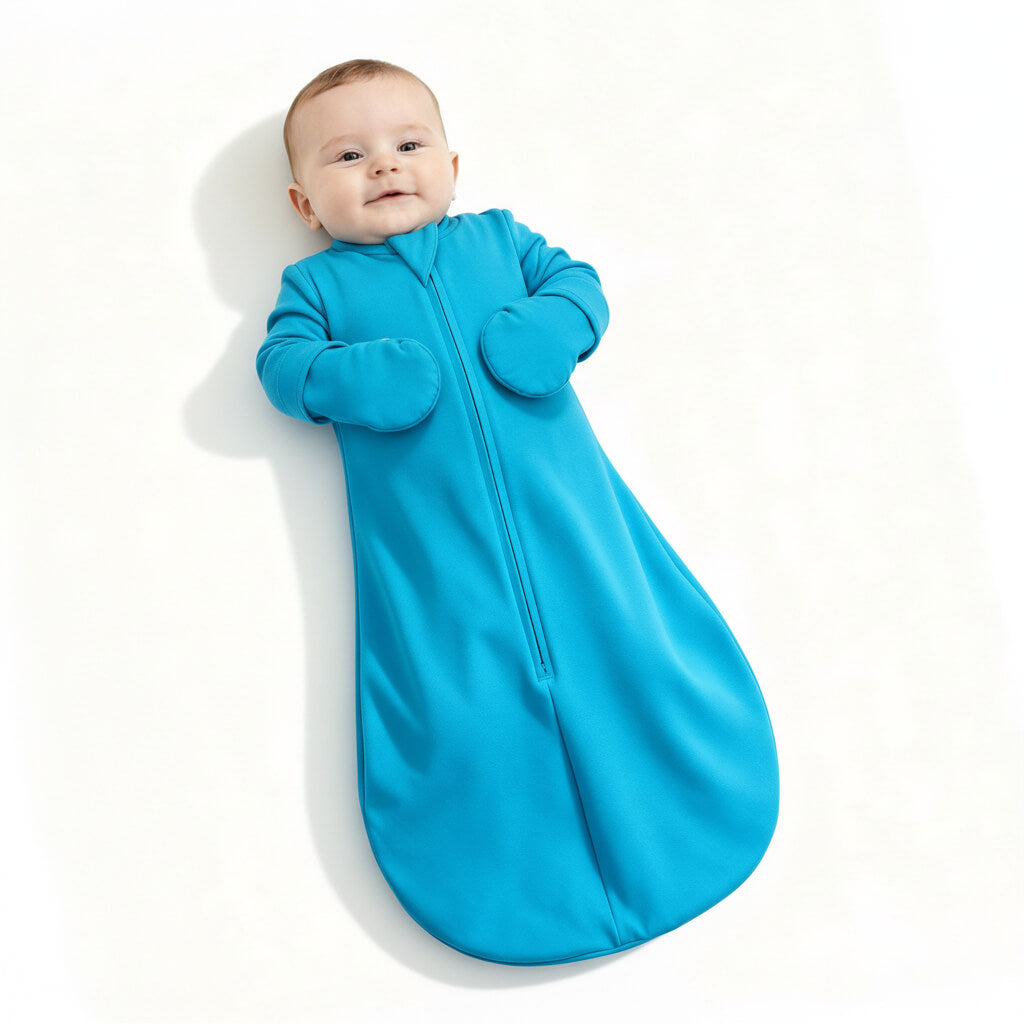
I was struggling to find a sleep sack with a 1.0 tog + natural material (no polyester) + hand covers. My poor baby has really bad eczema on his cheeks and I was googling what to do about his inability to sleep when I came across Nella Vosk. I ordered the sleep sack even though it was a bit pricey, because it was finally what I was looking for.
The first night he wore it, he slept so much better- he was warm enough in the cool room, and it was not so excruciating when he scratched out of habit, and it did not last long (because of the natural material and hand covers.) This sleep sack will last a long time because of the adjustable sizing, and it seems totally worth the cost so far.
Lastly, I emailed the founder Kelly with my problems I was experiencing while I was waiting for the sleep sack to arrive, and she gave me some really great tips that helped!
Overall this is a good company with good people and good products.
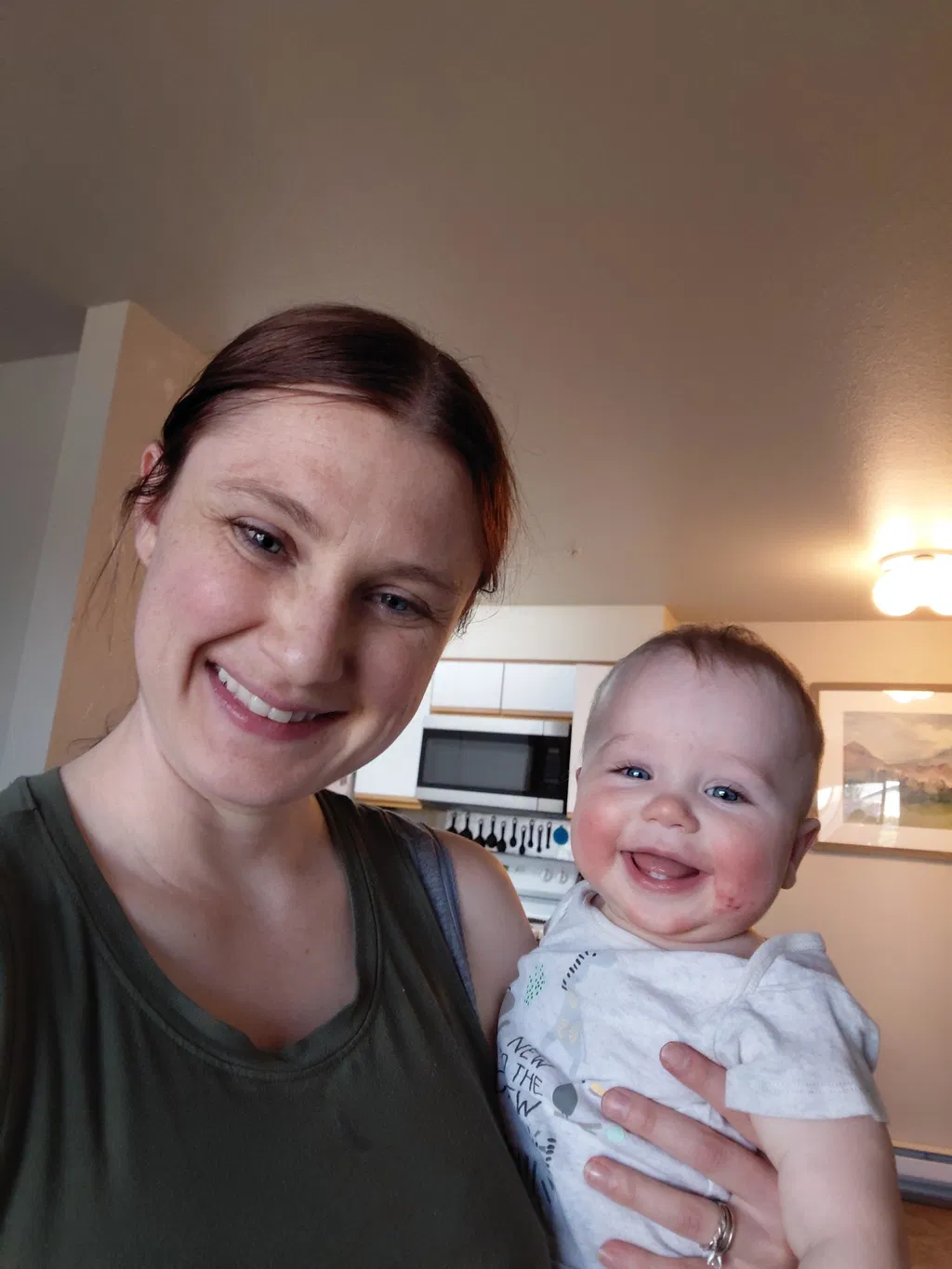
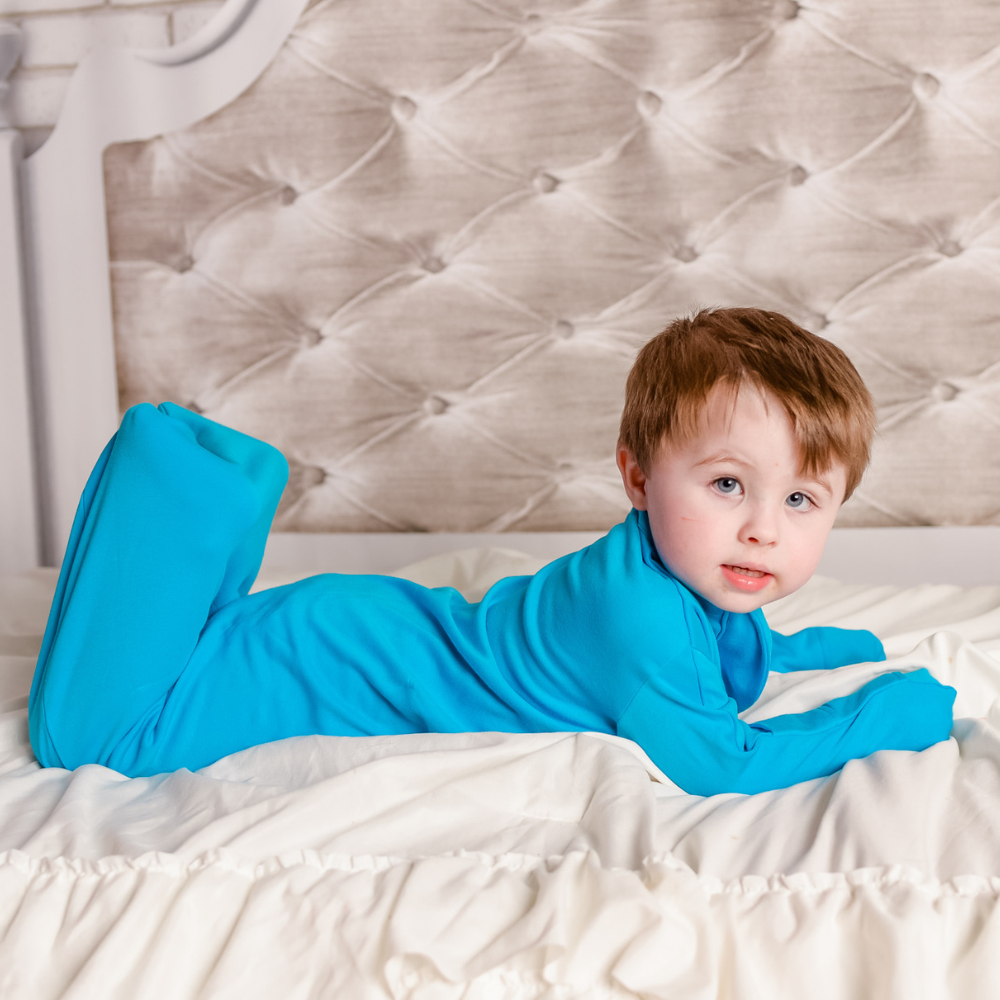
Best bamboo pyjamas ever. So soft! Wash well dry quickly. My grandson has been wearing them since he was a baby. The hand & feet covering are a great idea. He is nine this year & im sure he will be wearing them for years to come. Don’t ever stop making them please 🌺
Best bamboo pants! So soft, was well dries quickly. My granson has been wearing these & the top to bed for years. Love the feet covering!