





DEAL WEEK | TODAY: FREE NAP NINJA WITH ANY NEW MUM GIFT | SEE THE DEAL →

0

Your Cart is Empty

C-Section Recovery Nutrition: What to Eat After a Caesarean Birth

Woman’s abdomen with a surgical bandage after a caesarean birth

Frequently Asked Questions

The acute wound healing phase takes approximately six weeks, but complete tissue remodelling of the caesarean scar continues for twelve to eighteen months. Iron replenishment after significant blood loss can take three to six months with appropriate dietary and supplement support.

Full gut microbiome restoration after antibiotic exposure typically takes one to three months of consistent probiotic food intake. Nutritional recovery from a caesarean, like postpartum recovery generally, is not a six-week process.

In the first one to two weeks, avoid gas-producing foods that increase intra-abdominal pressure against a healing incision: carbonated drinks, cruciferous vegetables (broccoli, cauliflower, cabbage), large quantities of beans and lentils, and spicy foods if they cause you digestive discomfort. Introduce these gradually once gut motility has normalised.

Alcohol should be avoided during both surgical recovery and breastfeeding. Highly processed, low-fibre foods worsen constipation and provide poor nutritional value during a period of elevated demand.

Yes, reduced appetite is common in the first week after caesarean birth due to anaesthesia effects, pain medication, stress, and the emotional intensity of early parenthood. However, under-eating significantly prolongs surgical recovery and, if you are breastfeeding, can affect milk supply. Eating by the clock — small amounts every three to four hours regardless of hunger — is more reliable than waiting for appetite to return naturally.

Warm, easily digestible foods tend to be more appealing than cold or heavy options when appetite is suppressed.

Given that caesarean blood loss is typically double that of vaginal birth, and that many Australian women enter birth with already-suboptimal iron stores, iron deficiency postpartum is common after caesarean. The appropriate first step is a blood test checking ferritin — not just haemoglobin — ideally at the six-week check or earlier if fatigue is significant. Supplementation, if indicated, should be guided by your GP.

Dietary iron from red meat, lamb, sardines, lentils, and spinach should be prioritised regardless, paired with vitamin C for improved absorption.

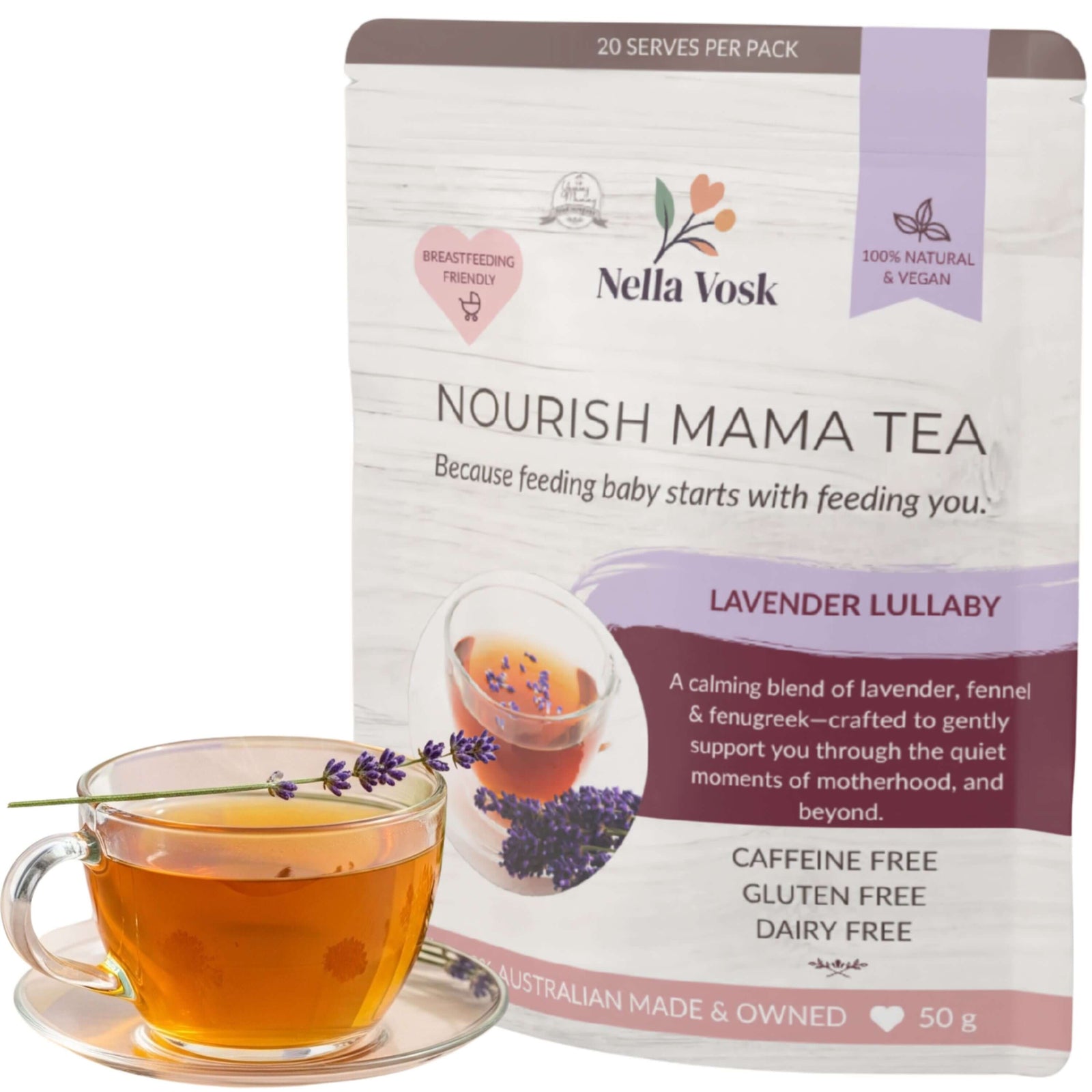
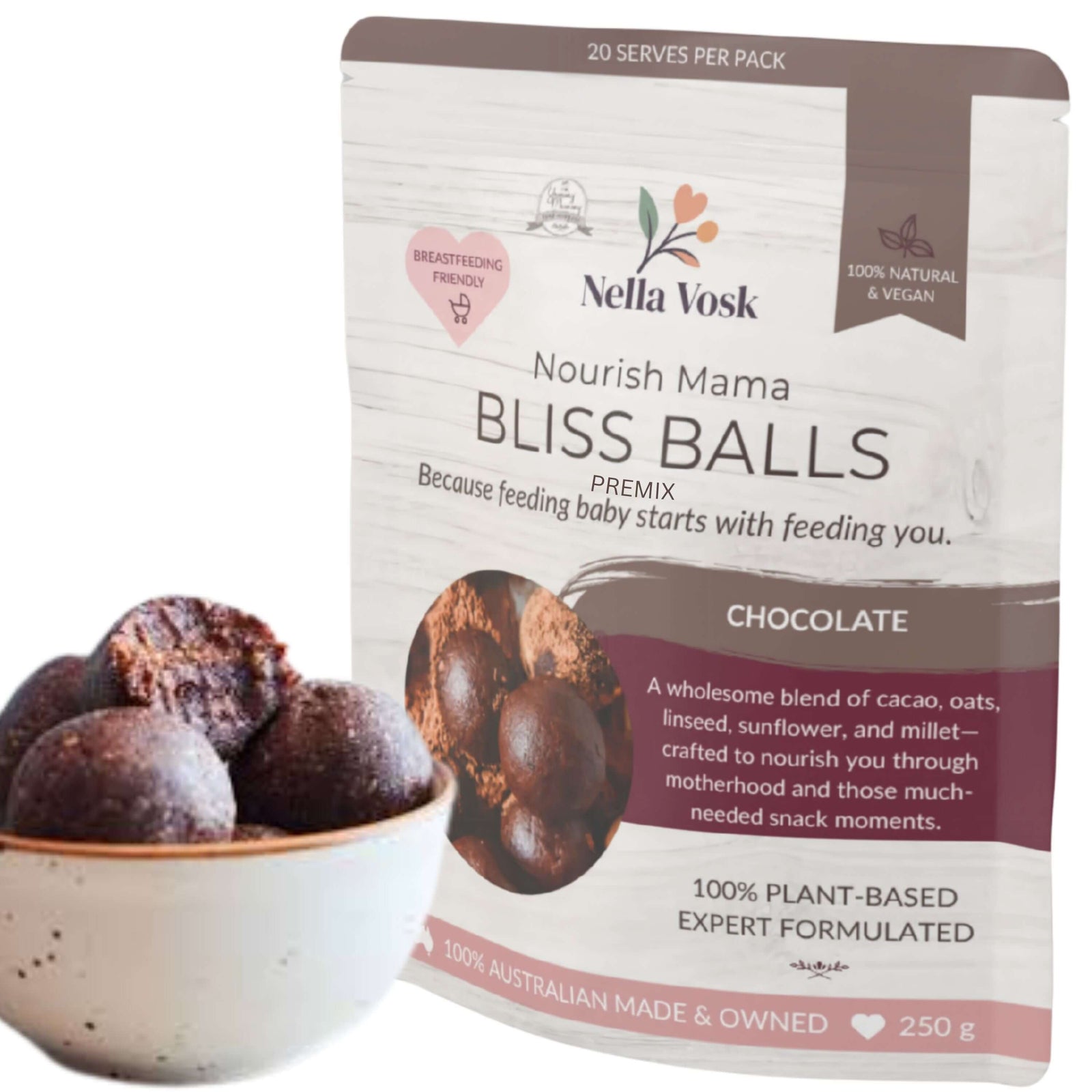
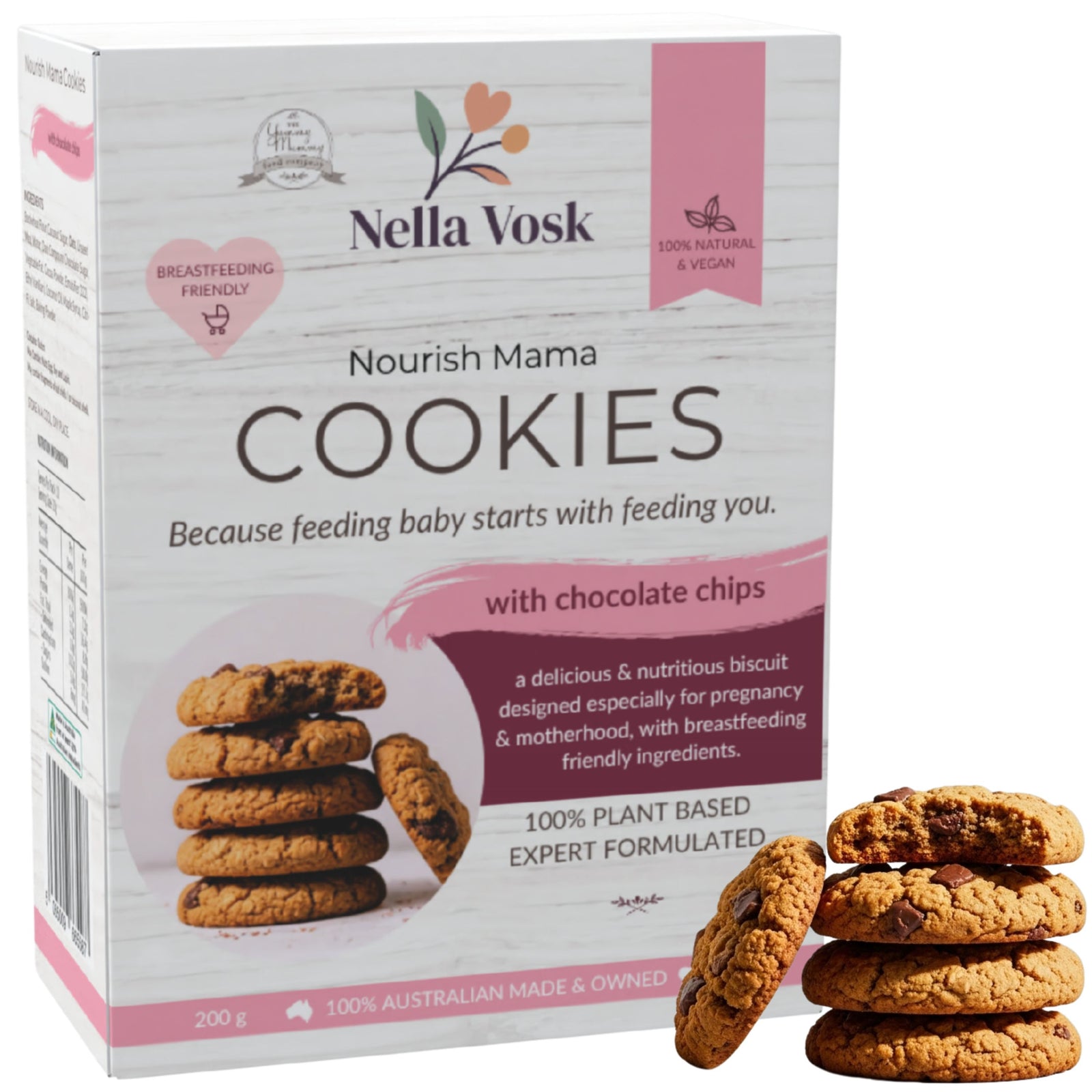
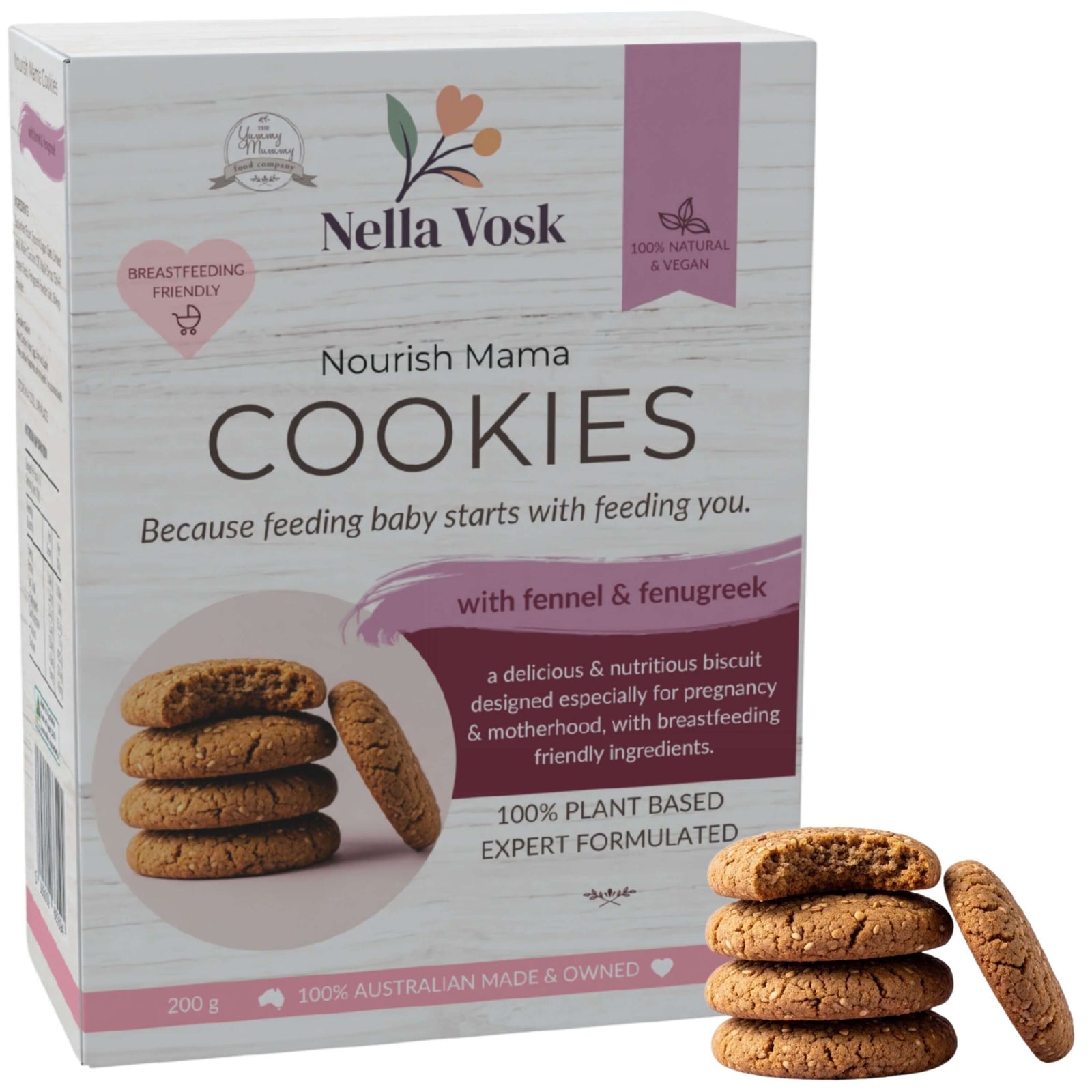
Yes, the ingredients in well-formulated lactation and recovery products — including oats, linseed, and traditional galactagogue herbs — are appropriate and beneficial after a caesarean birth. Oats provide iron, B vitamins, and fibre; linseed provides omega-3 fatty acids and fibre; the traditional herbs used in lactation teas (fennel, nettle, raspberry leaf) are generally well-tolerated after caesarean.

If you have specific concerns about any ingredient in the context of your recovery, discuss with your GP or midwife.