




DEAL WEEK | TODAY: FREE NAP NINJA WITH ANY NEW MUM GIFT | SEE THE DEAL →

0

Your Cart is Empty

Infected Eczema in Babies: Signs and When to See a Doctor

Parent checking a baby's red irritated skin for signs of infection

Frequently Asked Questions

The most recognisable sign is honey-coloured or yellow crusting on or around eczema lesions. Other signs include skin that oozes or weeps more than usual, increased redness and warmth beyond what is typical for a normal flare, areas that feel hot to touch, and pus. In more severe cases, babies may develop fever, appear generally unwell, or have significant swelling.

Clusters of rapidly spreading fluid-filled blisters may indicate the more serious viral infection eczema herpeticum, which requires urgent medical attention.

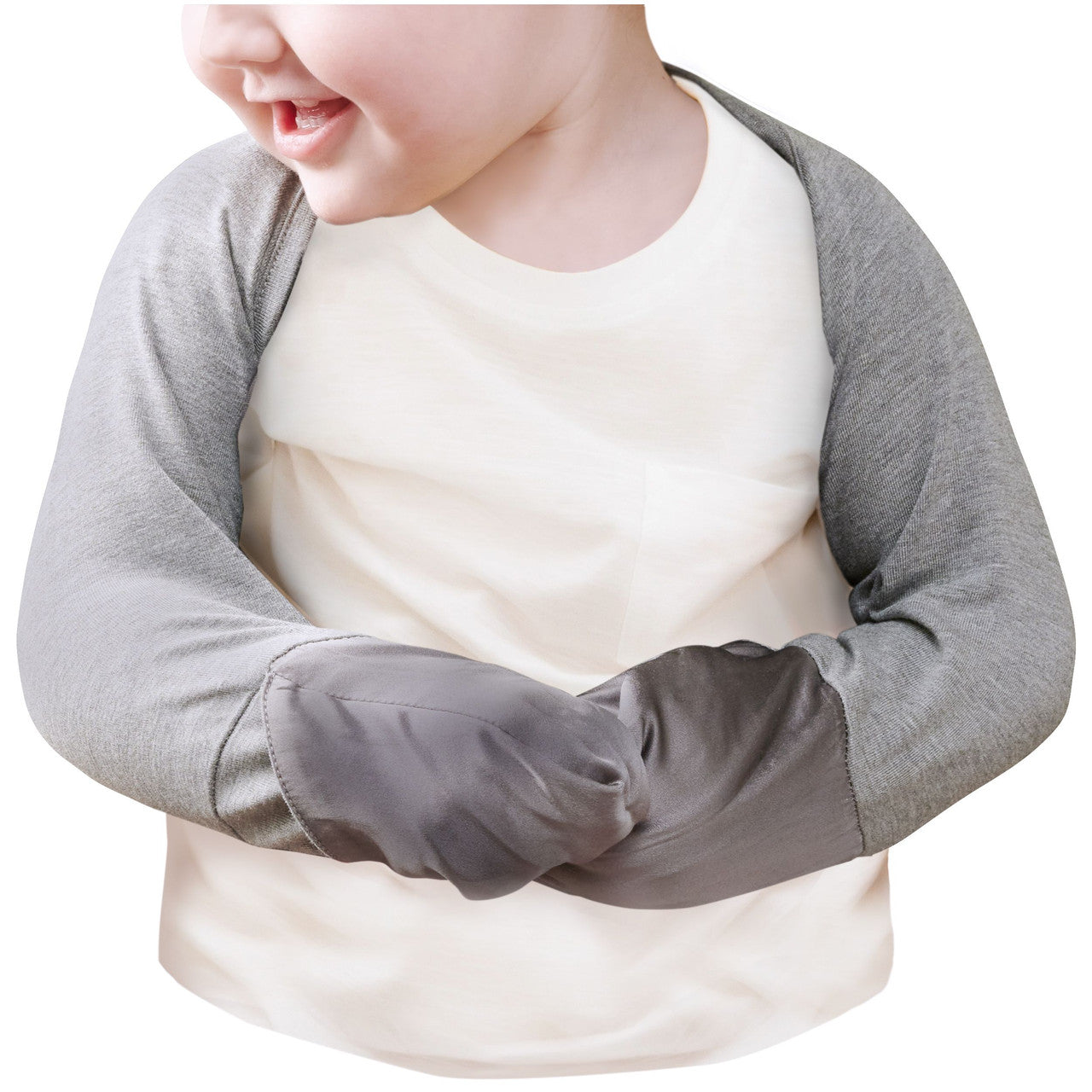
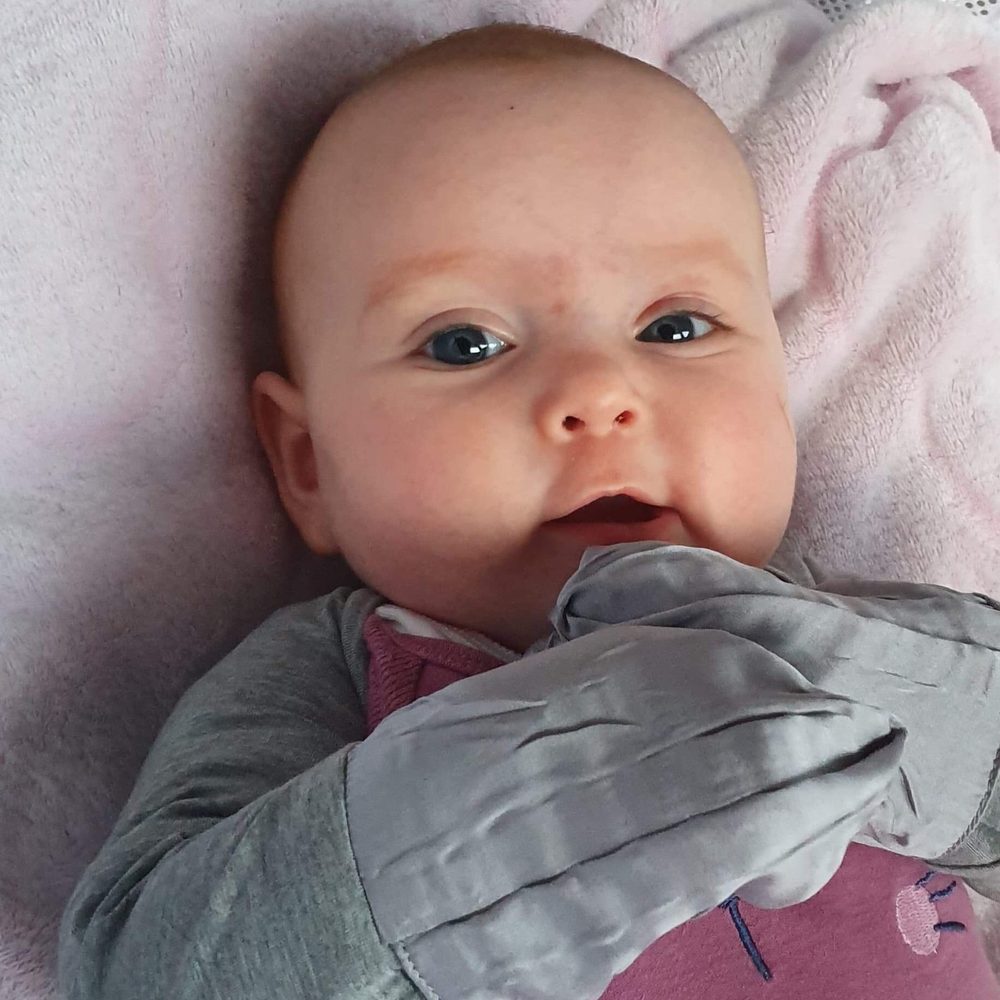
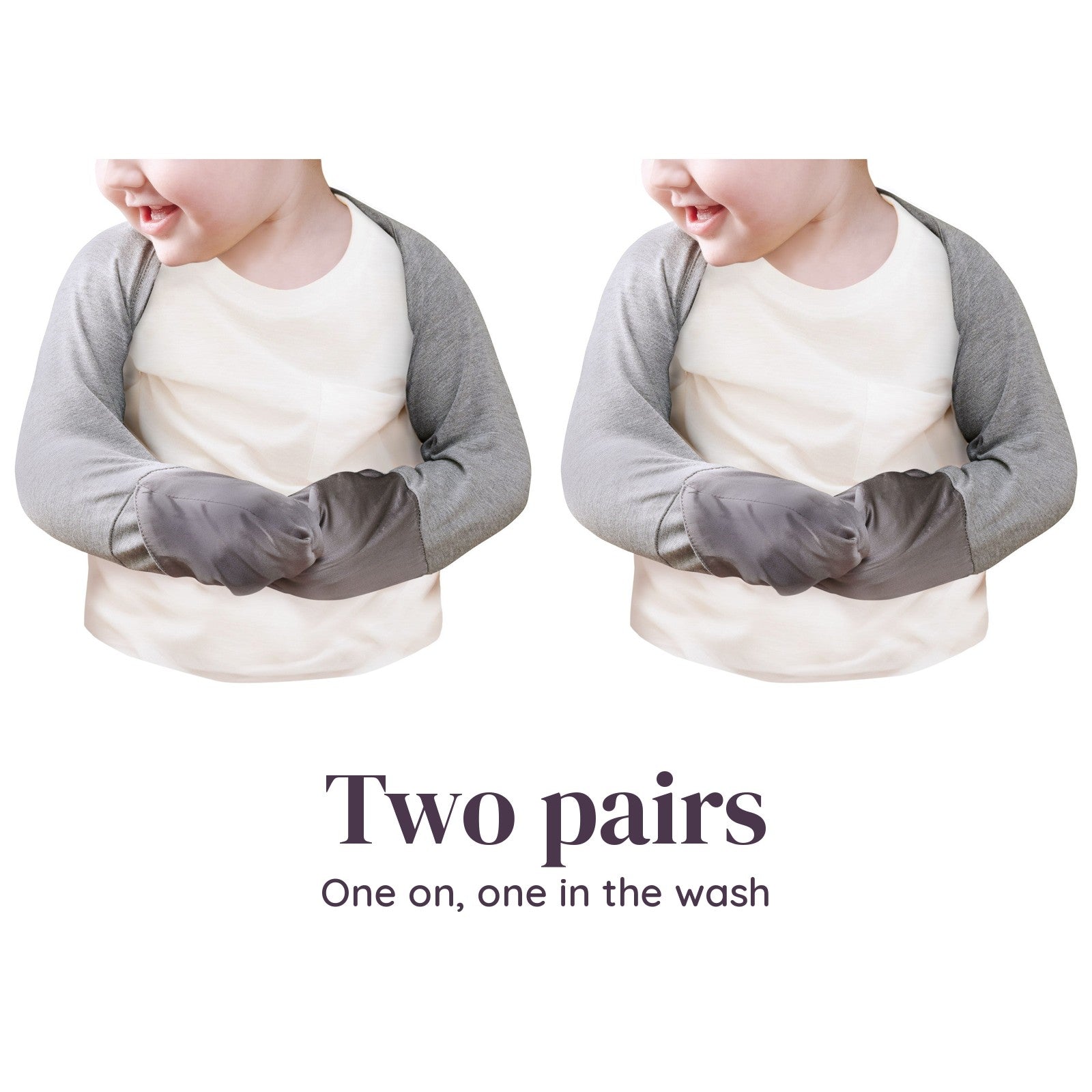
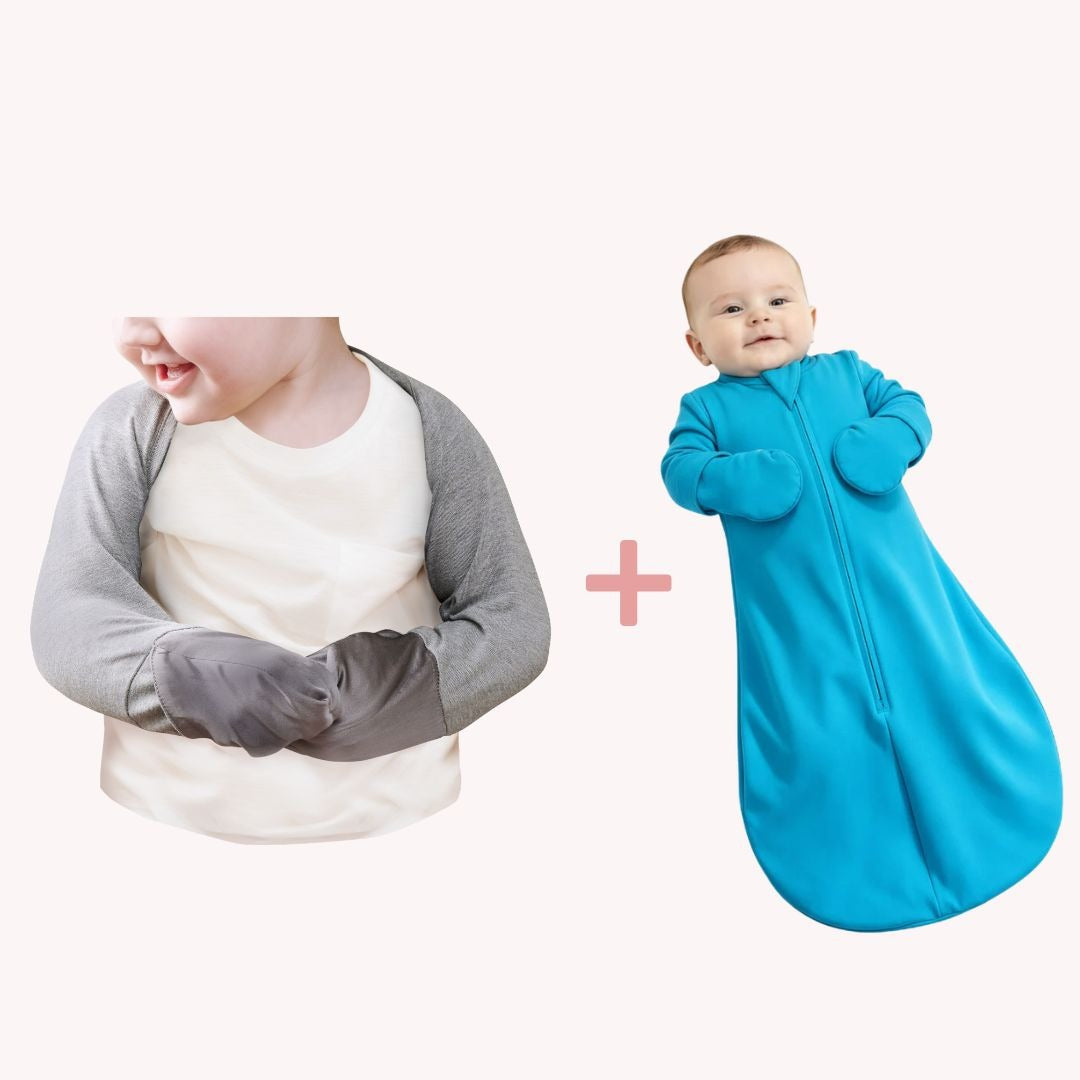
No — infected eczema in babies requires GP assessment and prescription treatment. You should not attempt to manage a suspected infection with over-the-counter products at home. What you can do at home is prevent further damage: avoid wet wrapping, keep nails short, use scratch protection sleeves, and continue gentle moisturising of non-infected areas.

See your GP promptly for assessment and appropriate antibiotic or antiviral treatment.

Bacterial infection can develop within 24–48 hours of significant skin damage from scratching.

Many parents report noticing the signs — particularly the honey-coloured crusting — when they go to the baby in the morning after a night of active scratching. This is one of the key reasons overnight scratch protection is so important for babies with active eczema: preventing the nighttime scratching that creates the skin damage through which infection enters.

The eczema itself is not contagious. However, Staphylococcus aureus bacteria can spread between people through direct skin contact or contact with contaminated surfaces — though in practice, this is rarely a significant concern for healthy family members. The more significant risk is cross-contamination on the baby’s own skin: scratching infected areas and then scratching healthy skin.

The herpes simplex virus that causes eczema herpeticum is contagious, and family members with active cold sores should not have close facial contact with an eczema-affected baby.

Some children with eczema experience recurrent infections, particularly during periods of poor eczema control or high environmental trigger exposure. The most effective long-term strategy is improving overall eczema control: consistent daily moisturisation, prompt flare treatment, trigger avoidance, and scratch prevention.

In children with frequent recurrent infections, GPs may recommend additional strategies such as dilute bleach baths, regular skin swabs to monitor bacterial colonisation, and referral to a paediatric dermatologist.