













































Best bamboo pants! So soft, was well dries quickly. My granson has been wearing these & the top to bed for years. Love the feet covering!
I bought this for my wife when our daughter was about 6 weeks old. She was struggling with supply and completely exhausted, and I felt helpless. I didn't know what else to do, so I ordered this kit.
She cried when it arrived (good tears). She said it was the first thing that actually felt like someone understood what she was going through. The partner support guide inside was honestly a wake-up call for me — I didn't realise how much she needed ME to step up with meals and hydration, not just help with the baby.
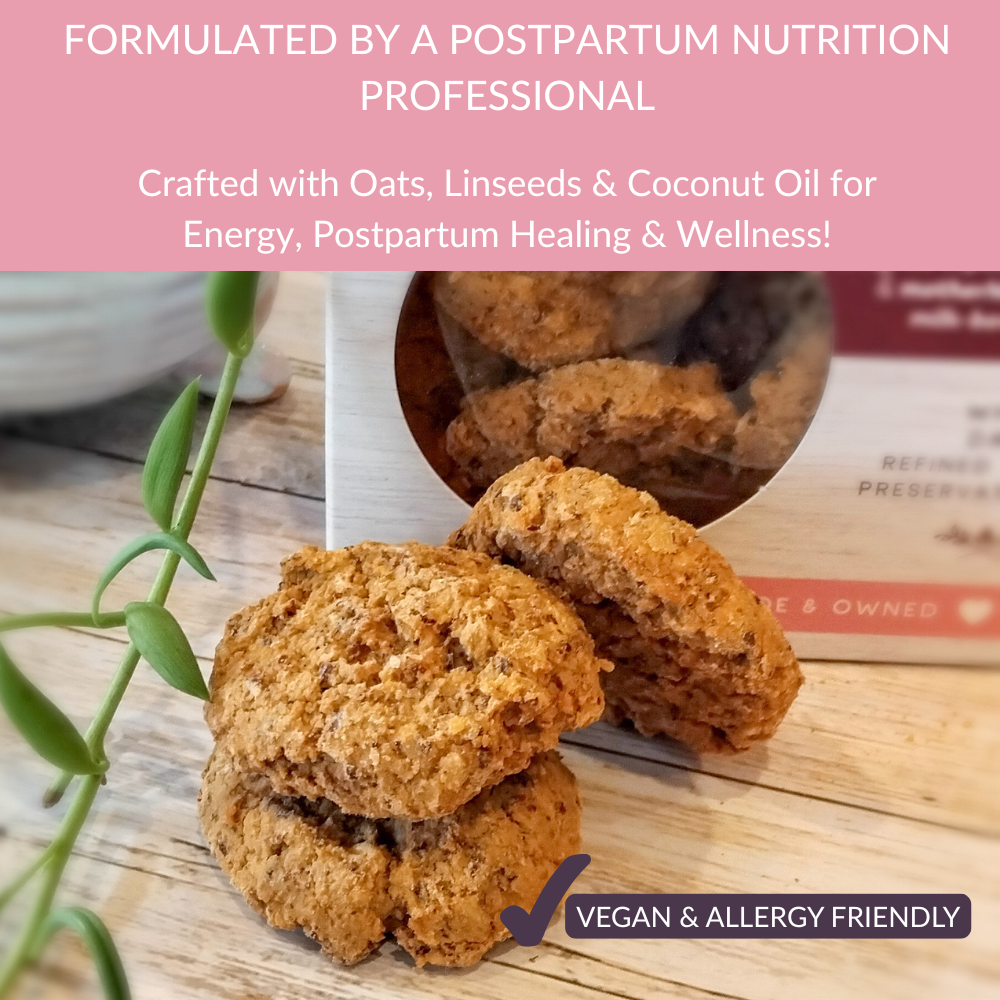
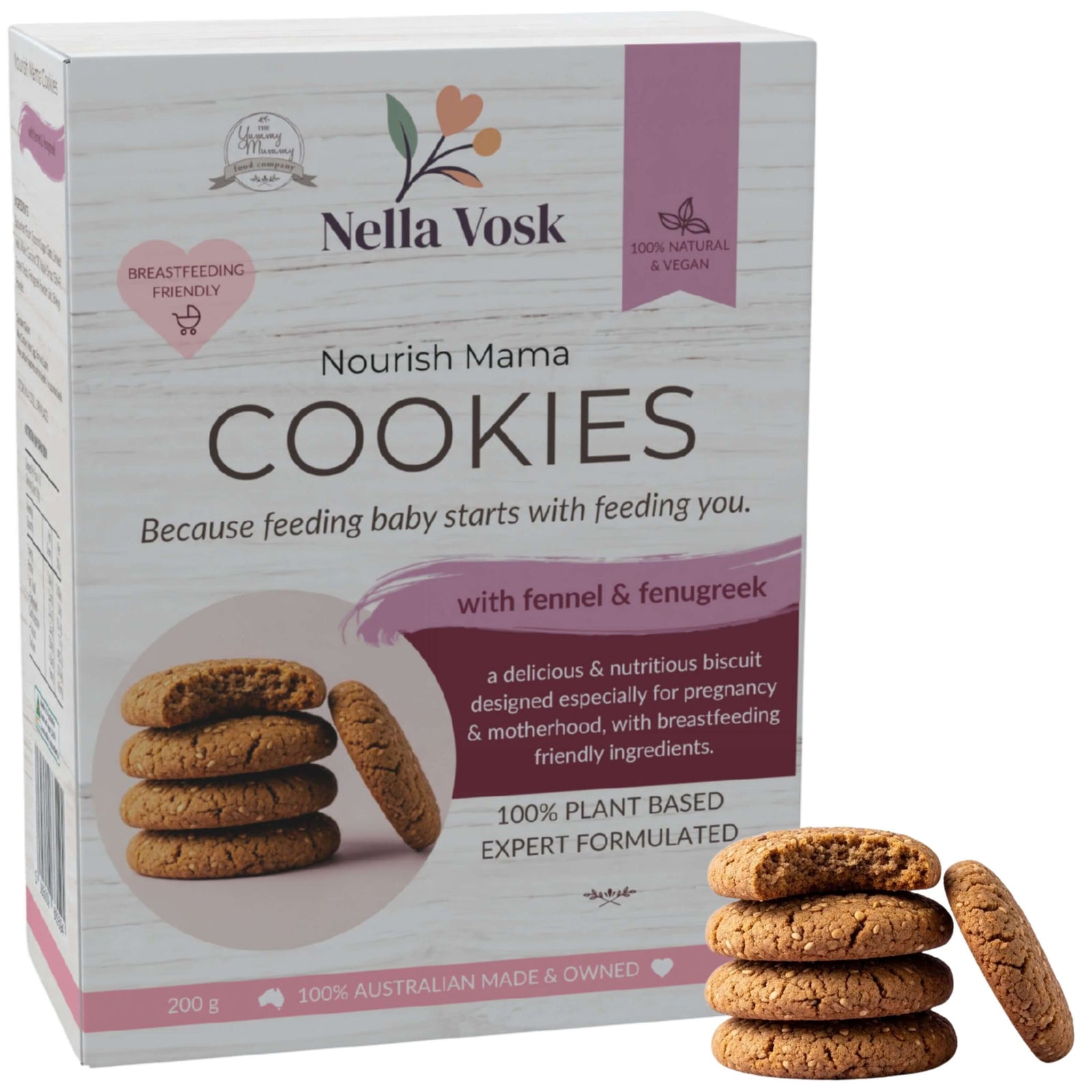
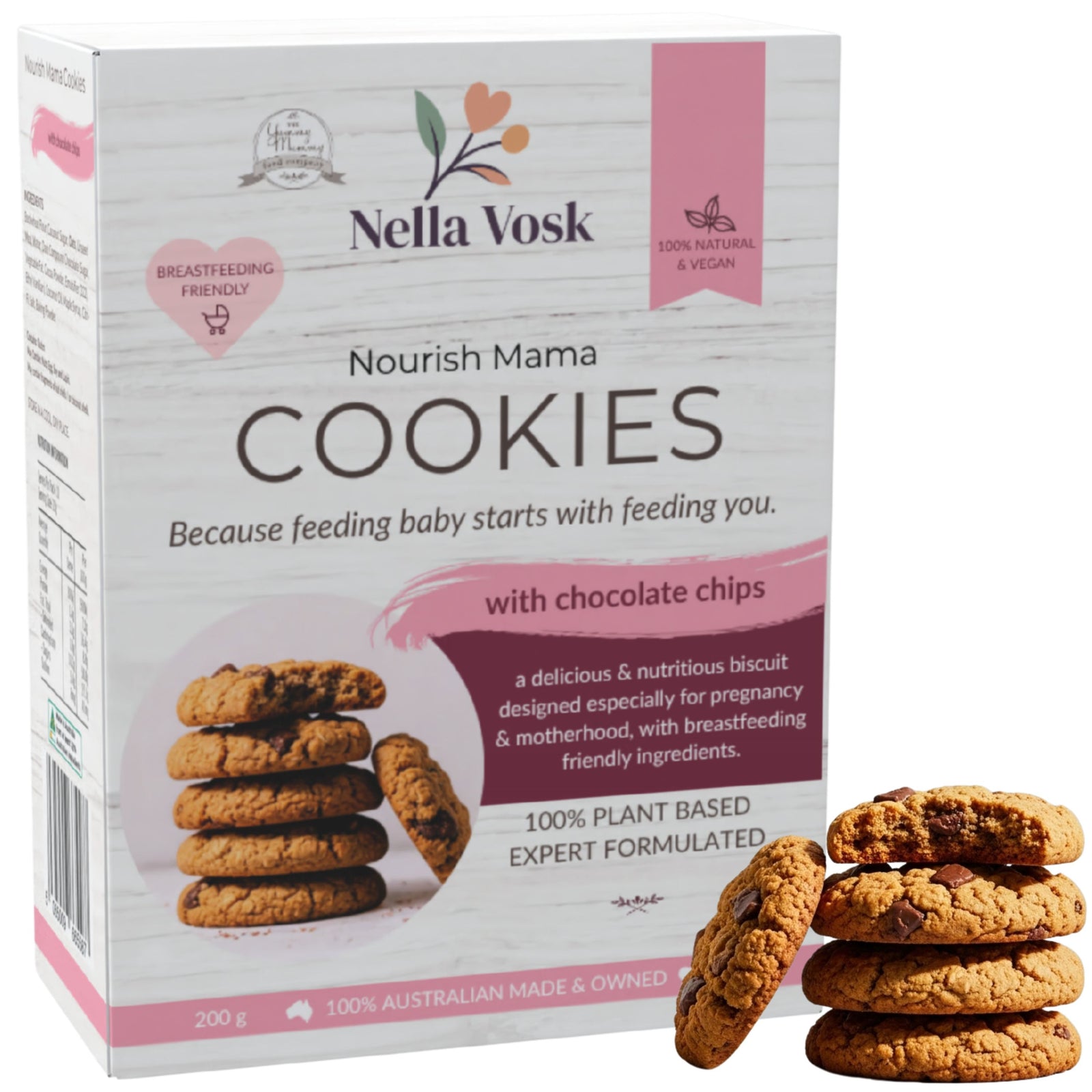
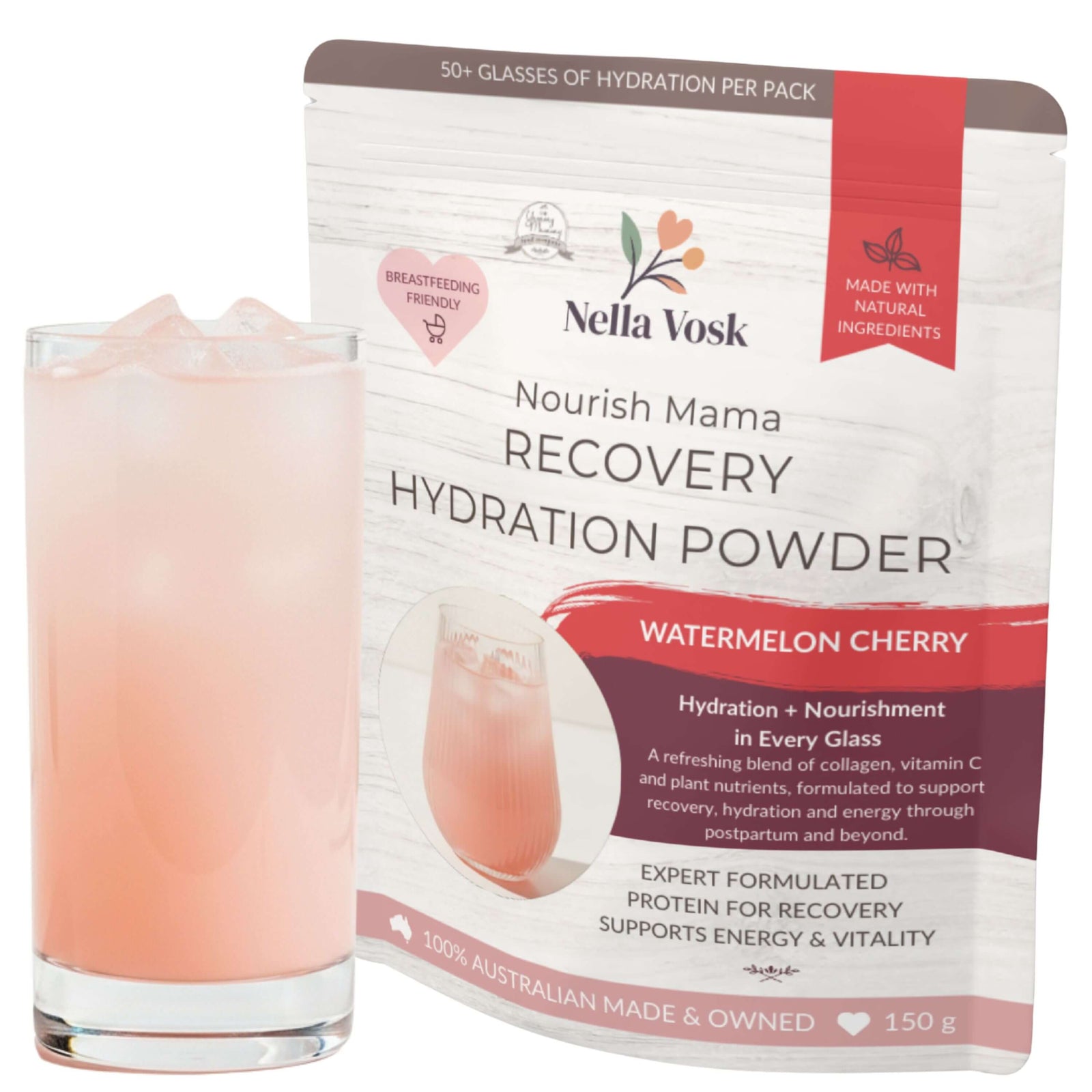
We've been using the meal plan together, I make sure she drinks the hydration powder every morning, and I keep the cookies stocked. Her supply has improved, but more than that, she just seems... lighter. Less stressed.
If your partner is struggling with breastfeeding, don't just tell her to "drink more water" (I learned that the hard way). Get her this kit. And then actually USE the partner guide. You'll both be better for it.
10/10 would recommend to any new dad or partner.
I bought this kit two weeks before returning to work because I was terrified my supply would tank. Best decision I made. The system walks you through exactly how to prepare, what to pack for pumping at work, and how to keep your supply up even when you're stressed and away from bub.
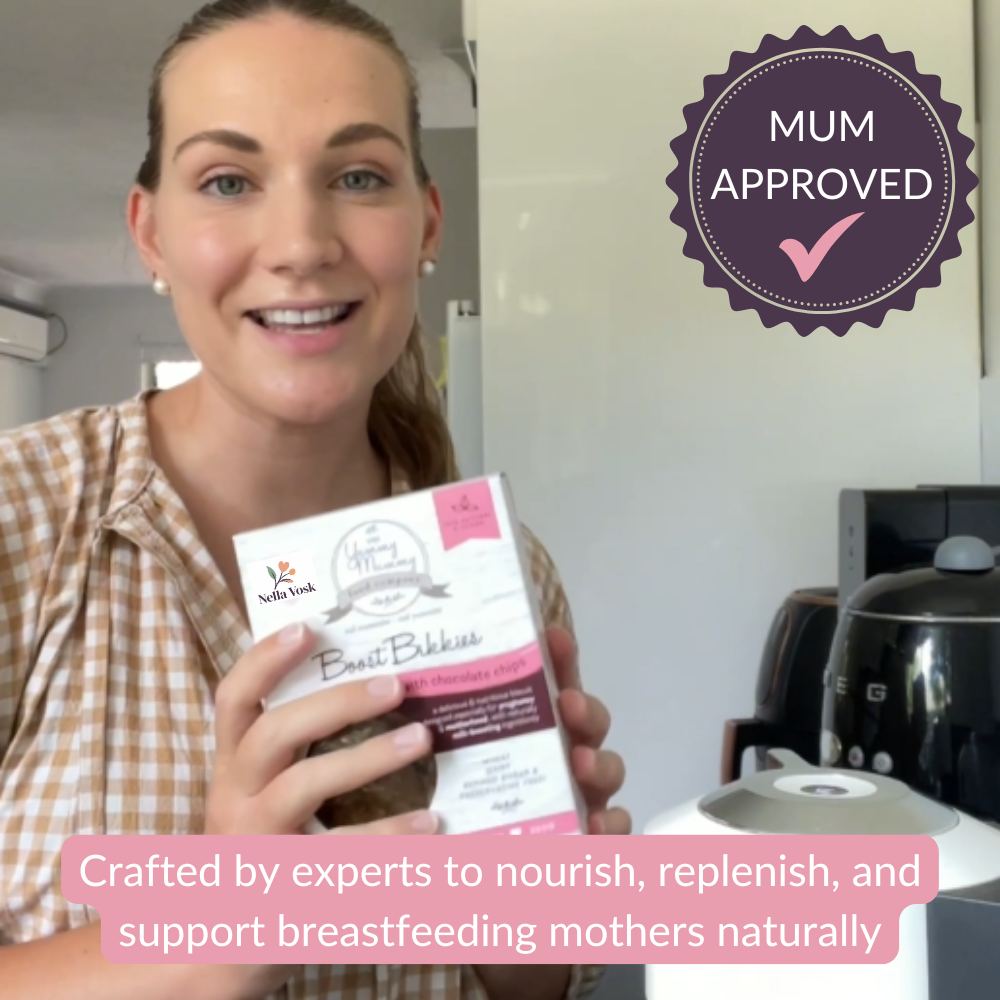
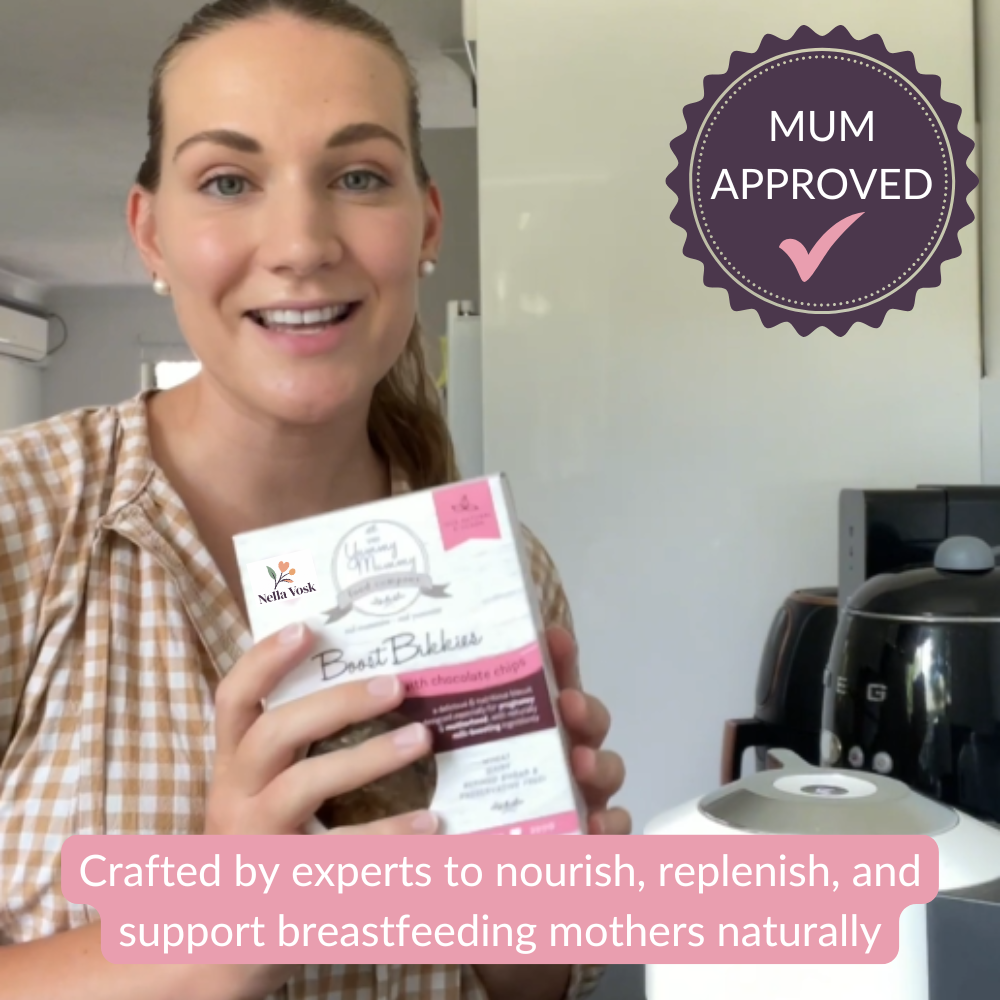
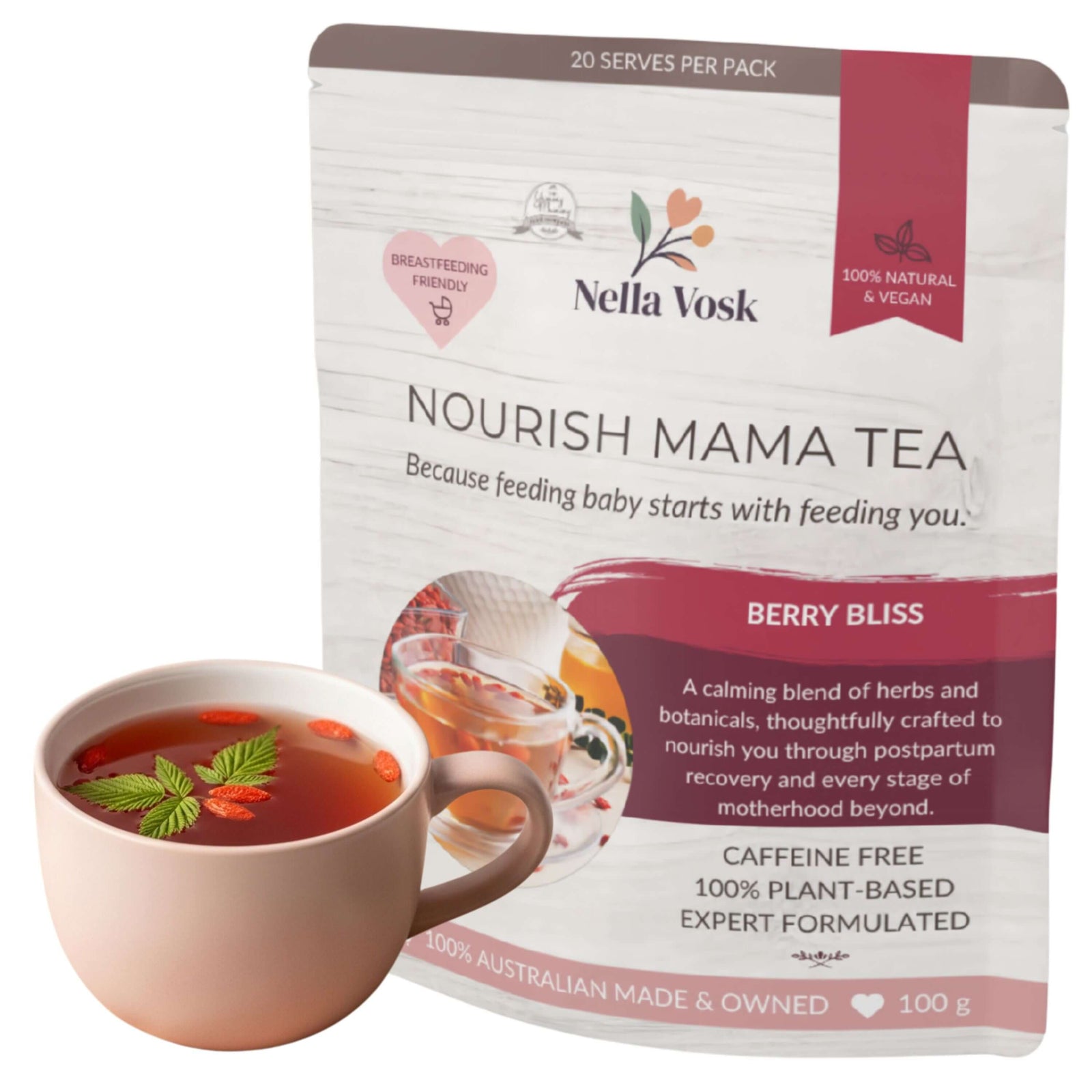
I've been back at work for 3 weeks now and I'm still producing enough to exclusively breastfeed. The tea has been my secret weapon — I drink it at my desk between pump sessions and it keeps me calm. The cookies are easy to throw in my work bag for a quick snack.
The guide also has a whole section on communicating with your workplace about pumping breaks, which I used almost word-for-word when talking to my manager. Game changer.
If you're going back to work and want to keep breastfeeding, get this kit. You won't regret it.
I was so overwhelmed trying to figure out what to eat, when to eat, and whether my supply was even okay. This kit took all the guesswork out. The guide is incredible — I started with the "Overwhelmed Mama" section and it felt like Kelly was reading my mind. The hydration powder has become part of my morning routine (I mix it into my smoothie), and I genuinely look forward to the cookies as my 3pm pick-me-up between feeds.
What I didn't expect was how much the meal plan would help my partner. He's been using it to do the grocery shopping and meal prep, which has been a lifesaver. I noticed more pump output within about 5 days, and I just feel... less depleted? Like I have energy again.
Worth every cent. I've already recommended it to two friends.

I've tried so many lactation products and nothing really stuck — mostly because I didn't understand the why behind any of it. What sets this kit apart is the guide. 100+ pages sounds like a lot but it's incredibly easy to read and finally explains the connection between what I eat and how my body supports feeding.
The products are a bonus — the cookies are delicious (my husband keeps stealing them) and the tea has become part of my evening routine. The meal plan is actually realistic for a tired mum too — nothing complicated.
Highly recommend if you want to understand your body, not just throw supplements at it.