











































The Nap Ninja design is adorable and the material feels so soft. I love that the bundle includes matching mitten sleeves as well as the bodysuit. It's a really sweet gift idea, especially for parents looking for comfortable clothing for sensitive little skin.
Super soft, super stretchy and such a lovely little outfit! The bodysuit is lightweight and comfortable, and the mitten sleeves are a handy extra to have. It's a simple combination that makes a lot of sense for everyday dressing.
The fabric is beautifully soft and stretchy, and the stitching feels really well made. The Nap Ninja design is so cute without being over the top. The grey marle mitten sleeves finish the outfit nicely and make it feel like a really thoughtful baby bundle.
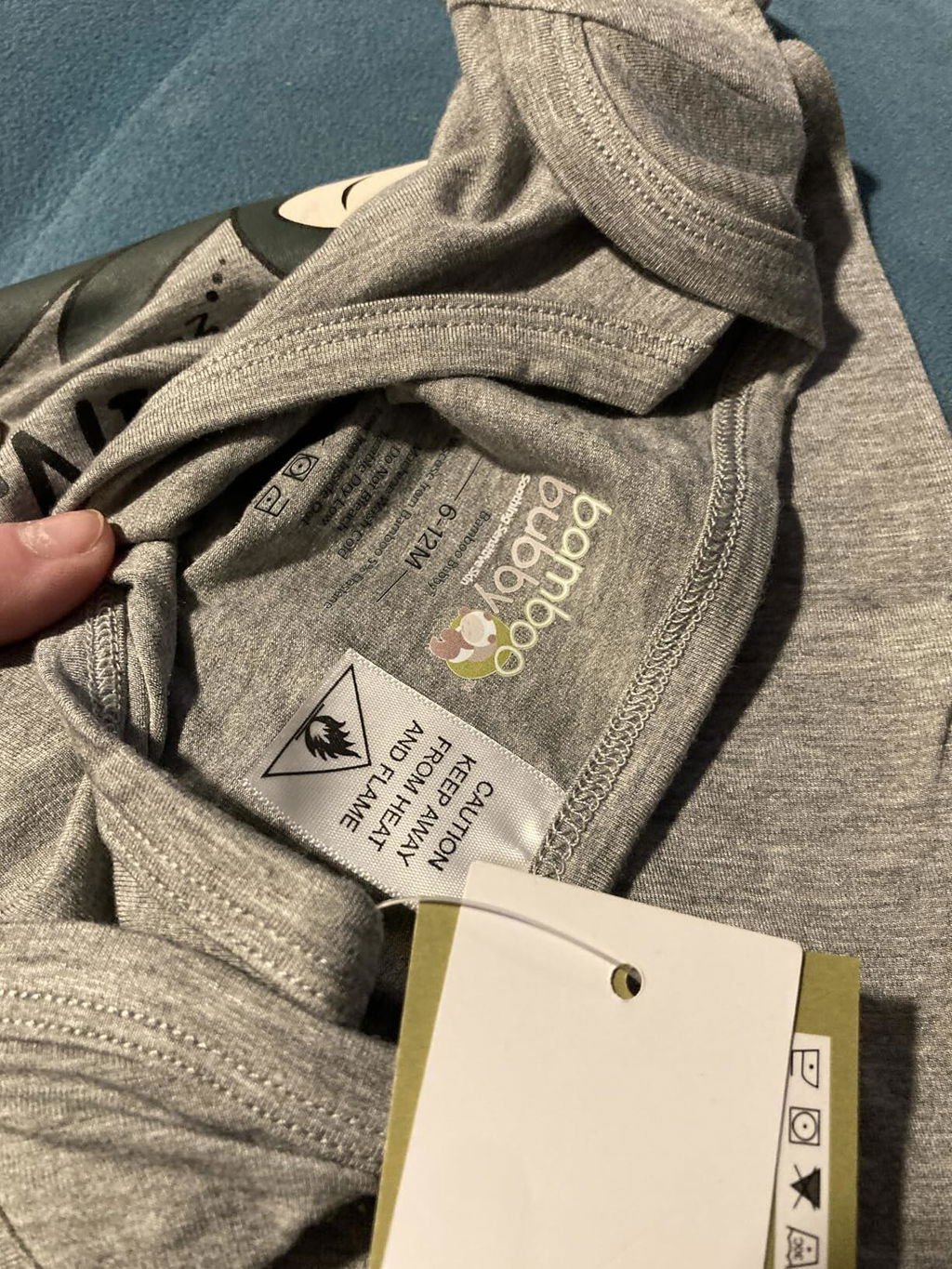
I love the thought that's gone into this bundle. The bodysuit is light, breathable and incredibly soft, with secure snaps that are easy to use. The fold-back mitten sleeves are such a practical idea, especially having the option to cover or uncover little hands.
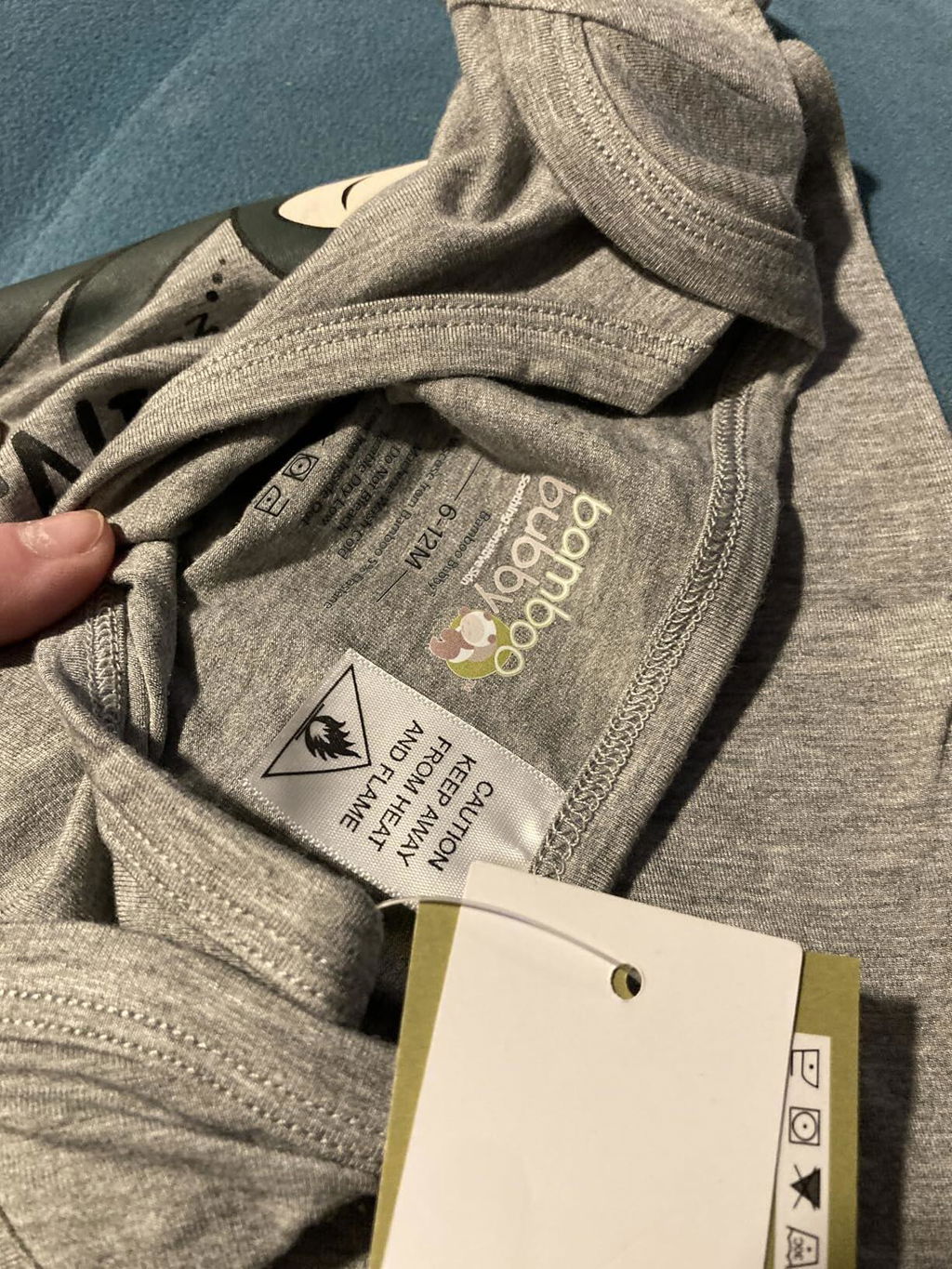
The Nap Ninja print is absolutely adorable and makes me smile every time I see it. The bodysuit is super soft with a lovely amount of stretch, and the matching mitten sleeves are a really clever addition. I love that they're designed with little ones' comfort in mind.