





























I've tried so many lactation products and nothing really stuck — mostly because I didn't understand the why behind any of it. What sets this kit apart is the guide. 100+ pages sounds like a lot but it's incredibly easy to read and finally explains the connection between what I eat and how my body supports feeding.
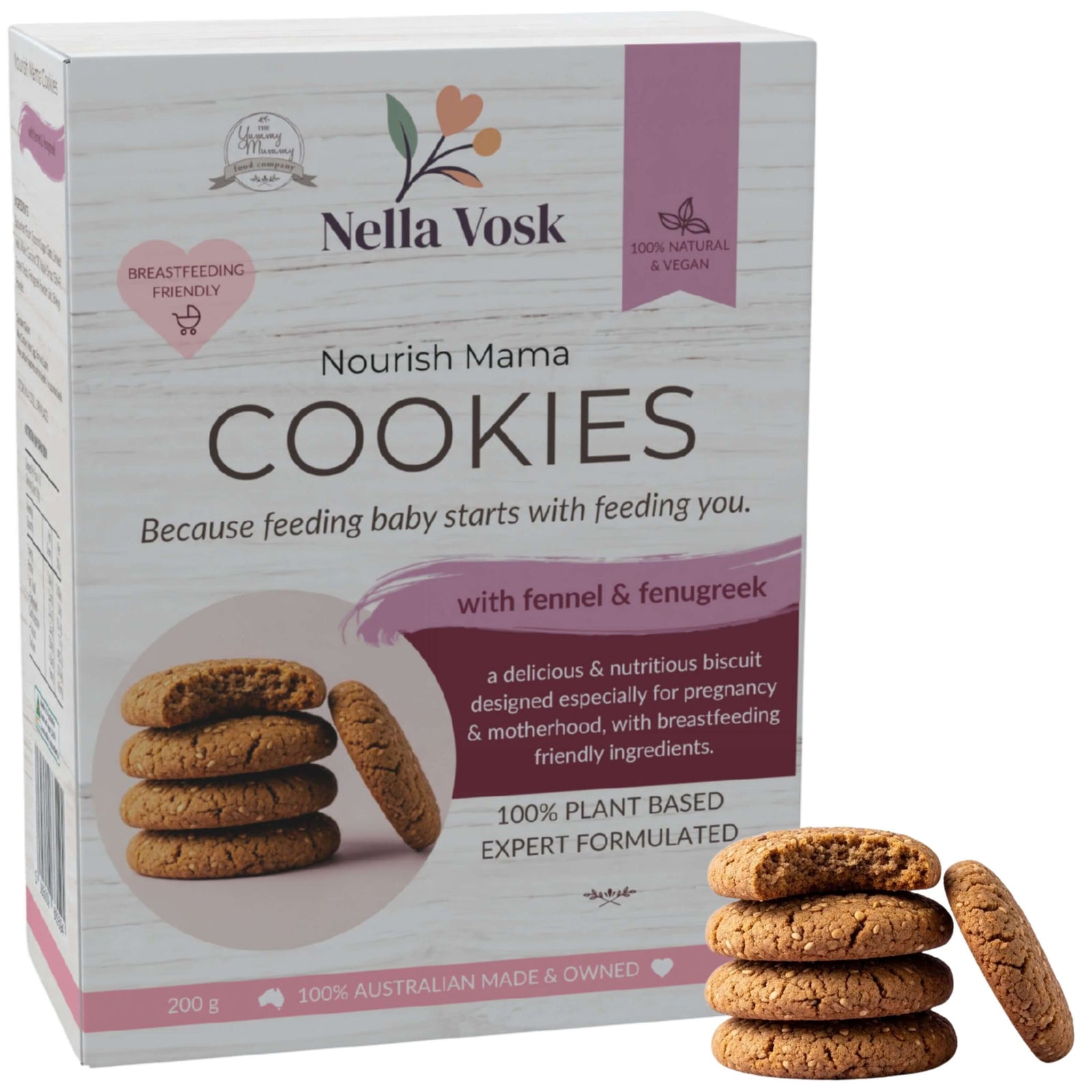
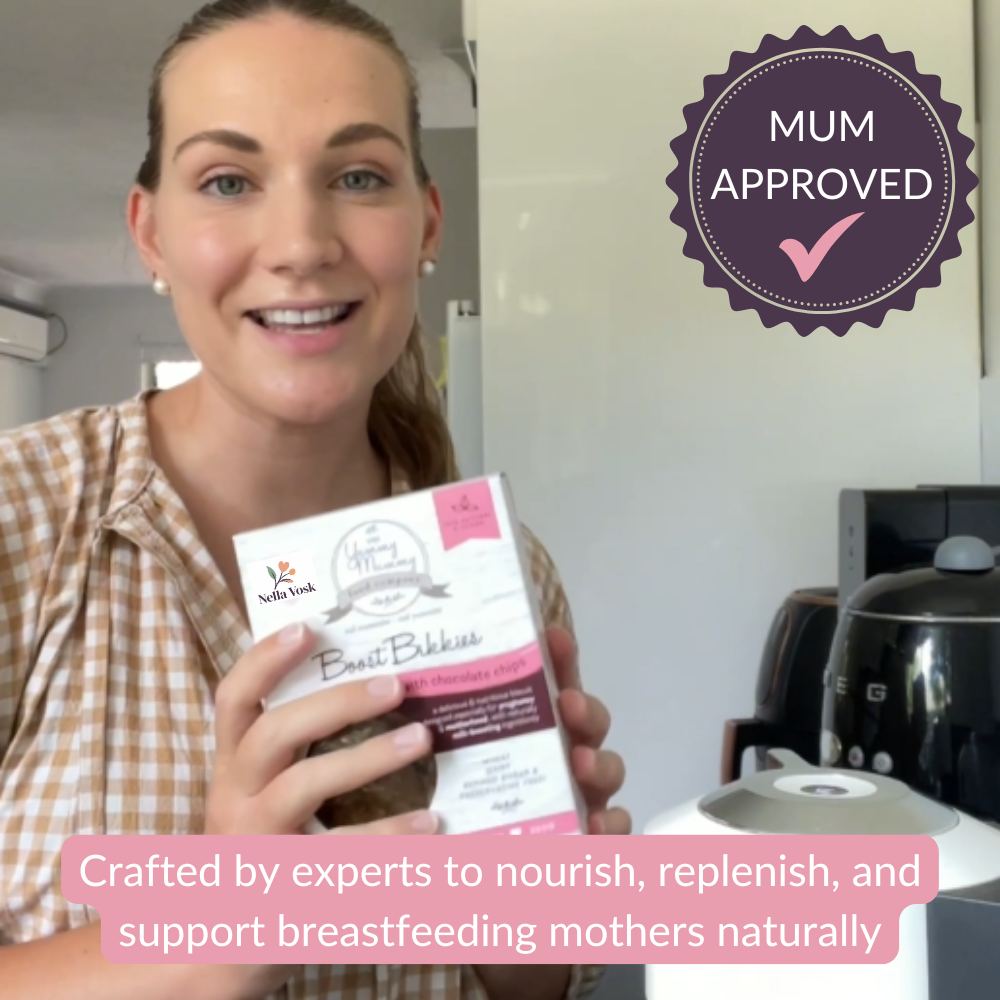
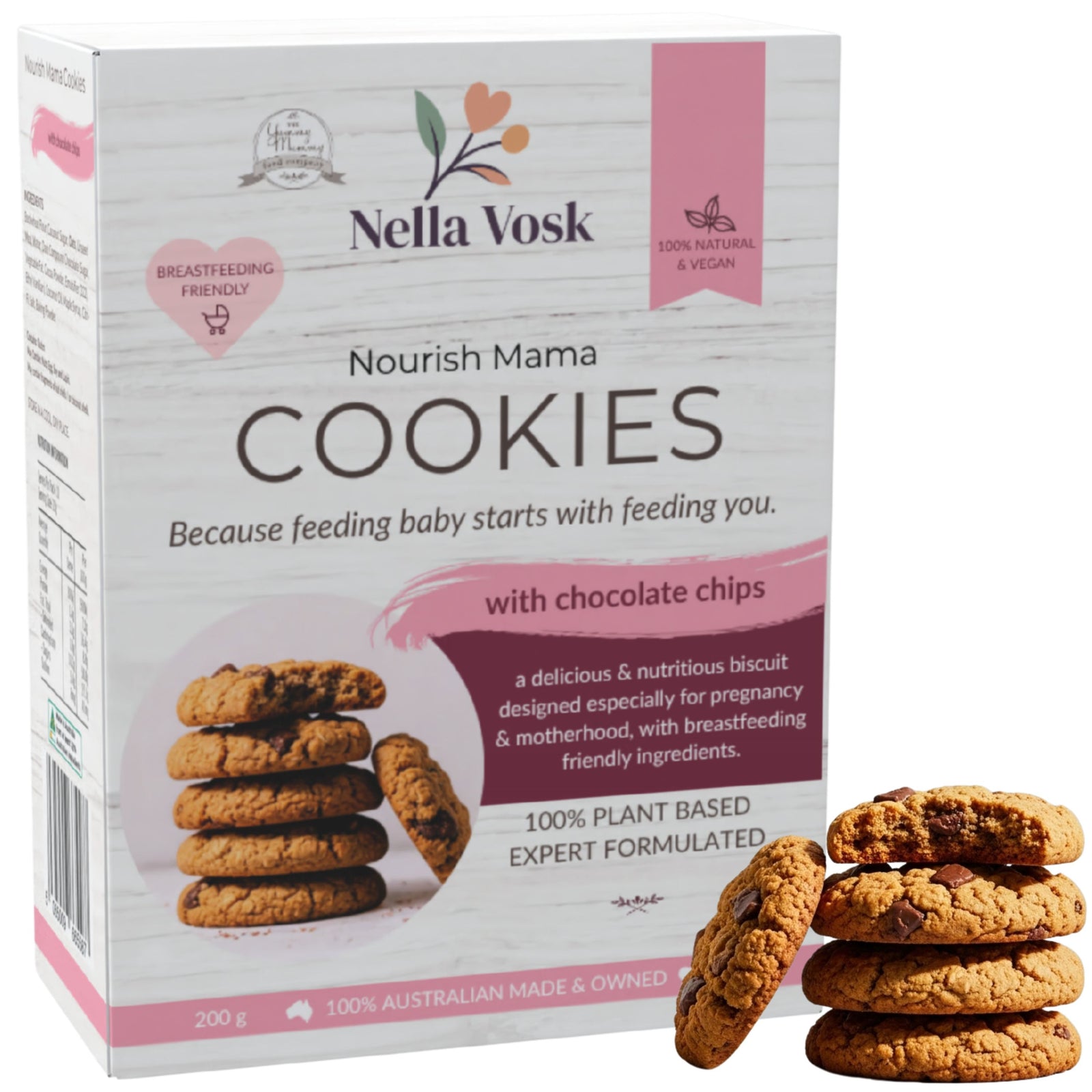
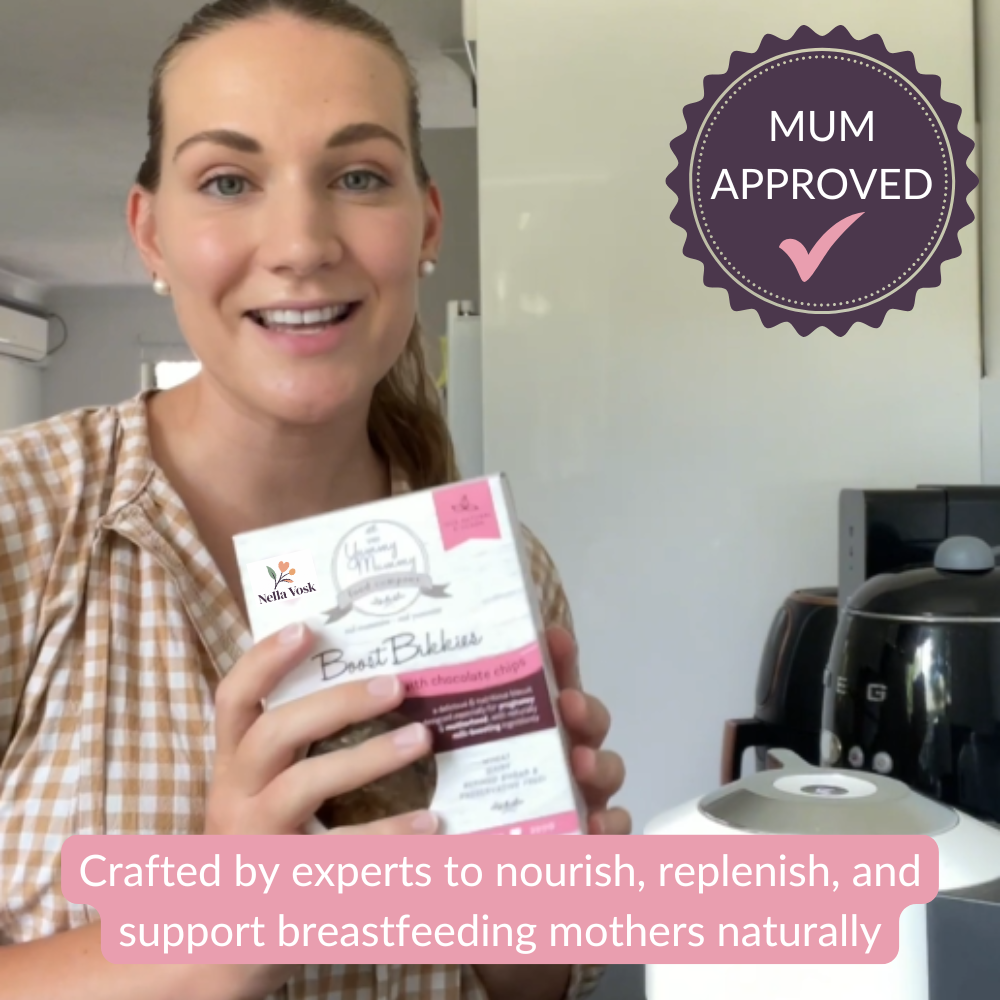
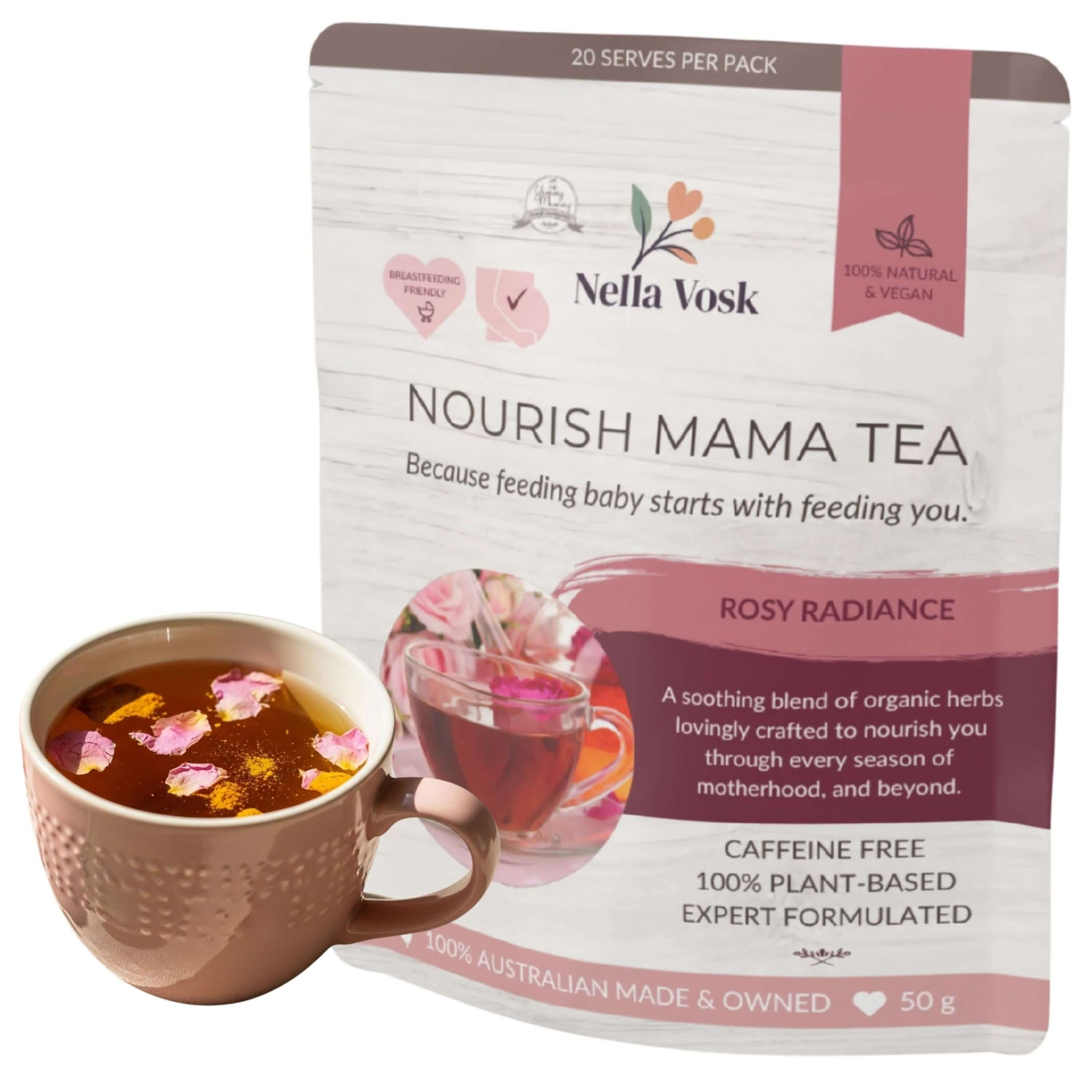
The products are a bonus — the cookies are delicious (my husband keeps stealing them) and the tea has become part of my evening routine. The meal plan is actually realistic for a tired mum too — nothing complicated.
Highly recommend if you want to understand your body, not just throw supplements at it.
I honestly bought this out of desperation at 6 weeks postpartum. My supply was dipping, I was exhausted beyond words, and I felt like I was failing my baby every single feed. The kit arrived quickly and I started the guide straight away — I had no idea how much my nutrition had been affecting everything. The hydration powder became my morning non-negotiable, the tea is genuinely lovely, and the cookies kept me going on the days I forgot to eat. Three weeks in and I feel like a different person. I'm not saying it's magic — I'm saying it gave me a real foundation when I had nothing left. At $99 with a money-back guarantee, I wish I'd ordered it the day I came home from hospital.
This handheld milk frother has been a delightful upgrade to my morning routine. It whips up wonderfully creamy foam in seconds and gives barista style results without needing a bulky machine. Whether I’m making lattes, cappuccinos, hot chocolate, or even protein shakes and matcha, the foam is smooth, rich, and consistently perfect. What really stands out is how easy it is to use and clean, just switch it on, whip, and rinse. The included stand keeps it neatly stored and ready, and the compact design means it fits comfortably in a drawer or countertop without taking up space. The build feels sturdy too, so it’s ready for daily use. Overall, this frother is a five star little powerhouse that elevates everyday drinks and makes home coffee moments feel special. Highly recommend for anyone who loves rich, frothy beverages!
I absolutely love this! I use it all the time! It’s works great I love that it comes with a stand to store it. I use it for mixing my pre workout, greens etc also works great for coffees and hot chocolates. I definitely recommend this! It’s such great quality
Saved my kid from waking up in a bloody mess every night from scratching his eczema patches.. Started wearing these when he was a few months old and will probably continue wearing them, sizing up every year, until he can control his scratching on his own. We get two so we always have a spare