
• Add description, images, menus and links to your mega menu

  • A column with no settings can be used as a spacer

  • Link to your collections, sales and even external links

  • Add up to five columns

  • da

  • A column with no settings can be used as a spacer

  • Link to your collections, sales and even external links

  • Add up to five columns

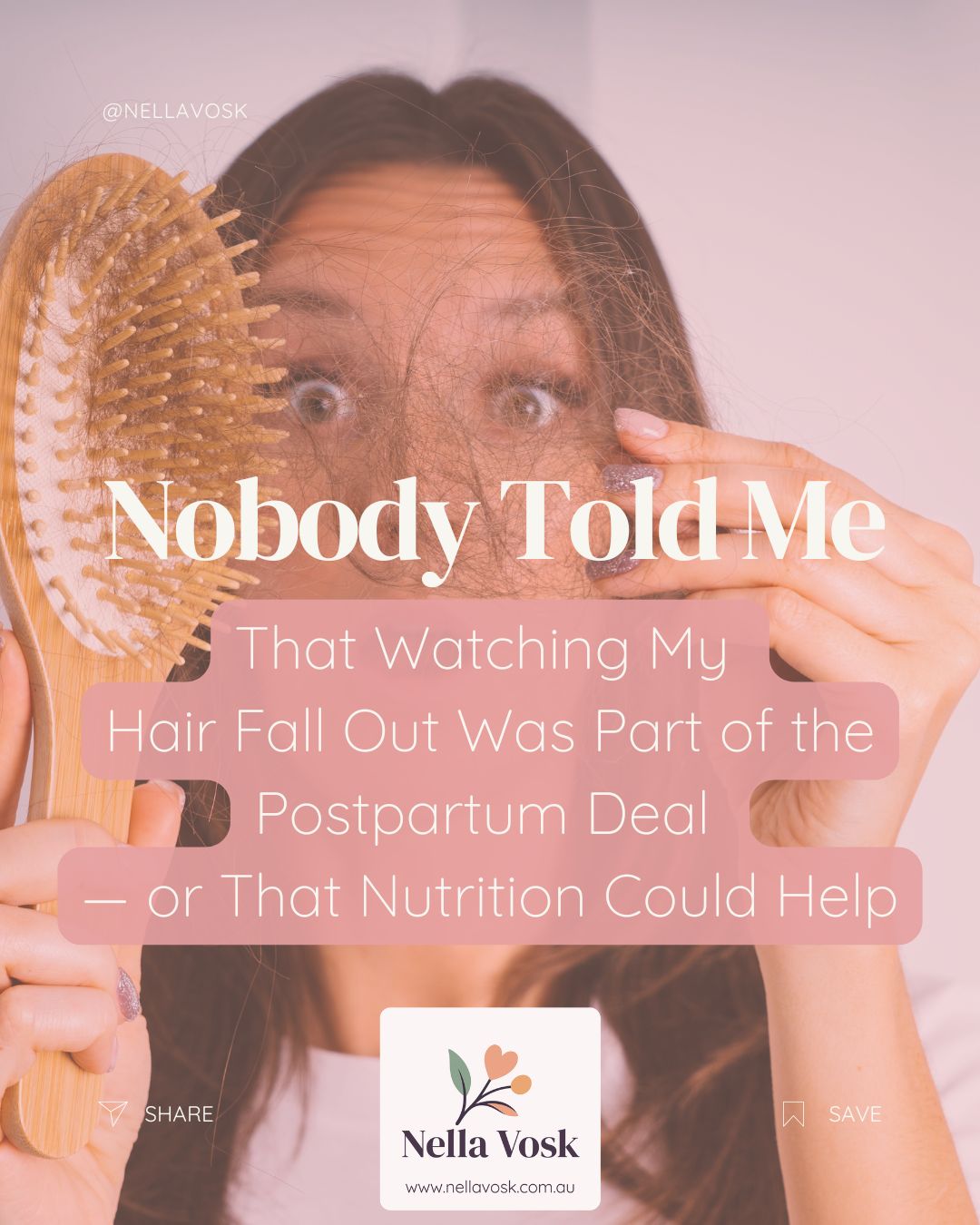
  • Nobody Told Me That Watching My Hair Fall Out Was Part of the Postpartum Deal — or That Nutrition Could Help

    Founder of Nella Vosk • 14+ years supporting families across motherhood, feeding, and early childhood wellbeing

    Nobody Told Me That Watching My Hair Fall Out Was Part of the Postpartum Deal — or That Nutrition Could Help


    This article is part of the Nella Vosk Postpartum Nutrition & Recovery: Complete Guide for New Mothers — your comprehensive resource on rebuilding your body after birth.

    This article is part of Nella Vosk’s Nobody Told Me series — a growing collection of posts about the information gap that too many mothers encounter after birth. Every article in this series starts from a moment a mother wasn’t told something she needed to know, and works back through the clinical truth behind it. You can find the full series at nellavosk.com.au/pages/nobody-told-me.


    Nobody told me that watching my hair fall out was part of the postpartum deal.

    I noticed it first in the shower at around three months. A volume of hair in my hand that would have alarmed me at any other point in my life. Over the next few weeks it was on the pillow, in my hairbrush, across my bathroom tiles. I had a handful every morning and I couldn’t understand why nobody had mentioned this was coming. I had read about the fourth trimester. I had read about the baby blues and the supply challenges and the six-week check. I had not read a single thing about losing my hair in clumps.

    What nobody also told me — and what I have since learned after fourteen years of working with postpartum mothers — is that postpartum hair loss is driven by hormones, yes, but that its severity and duration are meaningfully influenced by nutrition. Two mothers going through the same hormonal postpartum transition can have very different hair loss experiences depending on their iron status, their protein intake, and the overall nutritional adequacy of their postpartum diet. This is a dimension of postpartum hair loss that almost no mainstream content covers.

    This post covers what postpartum hair loss is, why it happens, how long it lasts, whether it grows back, what the nutrition angle is, and when hair loss after birth may be a sign of something that needs a GP.

    What Postpartum Hair Loss Is

    Postpartum hair loss has a clinical name: telogen effluvium. It is a specific type of hair shedding triggered by a significant physiological stressor — in this case, the dramatic hormonal shift of childbirth.

    To understand why it happens, it helps to know a little about the normal hair cycle. Each hair follicle independently cycles through three phases:

    • Anagen: the active growth phase, lasting 2 to 6 years for scalp hair

    • Catagen: the transitional phase, lasting approximately 2 to 3 weeks

    • Telogen: the resting phase, lasting 2 to 3 months, after which the hair sheds and the follicle re-enters anagen

    At any given time, approximately 85 to 90% of scalp hairs are in anagen and 10 to 15% are in telogen. Normal daily hair shedding — approximately 50 to 100 hairs per day — represents the natural completion of the telogen phase for those follicles.

    During pregnancy, elevated oestrogen prolongs the anagen phase. Many pregnant women notice their hair becomes thicker, fuller, and shinier — they are shedding less than normal because more follicles are remaining in the active growth phase for longer. This is the hair that will eventually shed postpartum.

    After birth, oestrogen drops precipitously. The prolonged anagen phase that pregnancy sustained comes to an end, and a large cohort of follicles — the ones that have been held in anagen longer than usual — simultaneously shift into telogen. Two to three months later, all of those follicles reach the end of their telogen phase and shed at the same time. The result is the dramatic, diffuse shedding that most mothers experience between two and four months postpartum.

    This is not hair loss in the pathological sense — the follicles are not damaged or dying. They are completing a normal phase of their cycle that was delayed by pregnancy hormones. The shedding is the exit of the telogen-phase hairs; new anagen hairs are already growing to replace them.

    How Long Does Postpartum Hair Loss Last?

    This is the question most mothers want answered first, and the honest answer is: usually two to six months from when it starts, with most mothers experiencing the peak shedding between three and four months postpartum and a return to pre-pregnancy hair density by nine to twelve months postpartum.

    More specifically:

    • Shedding typically begins at 2 to 4 months postpartum

    • It peaks around 3 to 4 months postpartum for most women

    • The active shedding phase usually lasts 2 to 4 months

    • Hair density typically returns to pre-pregnancy baseline by 9 to 12 months postpartum

    • Some mothers notice the regrowth before the shedding has completely stopped — baby hairs or shorter hairs visible at the hairline and temples are a sign that the new anagen cycle has begun

    These are averages, and there is meaningful variation. A mother who is significantly nutritionally depleted, iron-deficient, or managing high chronic stress postpartum may experience more prolonged shedding or a more delayed return to baseline density. This is the nutritional dimension that makes postpartum hair loss something worth addressing beyond simply waiting it out.

    Does Postpartum Hair Loss Grow Back?

    Yes — with the important qualification that this is telogen effluvium and not androgenetic alopecia (pattern baldness), which has a different mechanism and does not reliably self-resolve.

    In typical postpartum telogen effluvium:

    • All shed hairs are replaced by new anagen hairs growing from the same follicles

    • Hair density returns to or near pre-pregnancy levels for most women by 12 months postpartum

    • The regrowth process may be visible as shorter hairs or baby hairs around the hairline, temples, and part line before full density is restored

    • The regrown hair may have a temporarily different texture or wave pattern — this is common and usually settles as the hair grows longer

    Is postpartum hair loss permanent? In typical telogen effluvium, no. If hair loss is unusually prolonged (continuing beyond 12 months postpartum), unusually severe (significant bald patches rather than diffuse thinning), or accompanied by other symptoms (fatigue, weight changes, temperature sensitivity), further investigation is warranted.

    Does Breastfeeding Make Postpartum Hair Loss Worse?

    The relationship between breastfeeding and postpartum hair loss is one of the most commonly misunderstood aspects of this topic. The short answer is: breastfeeding itself is not the driver of postpartum hair loss, but the nutritional demands of breastfeeding can worsen it when nutrition is inadequate.

    The hormonal driver of telogen effluvium is the postpartum oestrogen drop, which occurs regardless of whether a mother is breastfeeding. Non-breastfeeding mothers experience postpartum hair loss at similar rates and timings to breastfeeding mothers.

    What breastfeeding does contribute is an elevated nutritional demand that, when not met, can deplete the nutrients most critical for hair follicle health. Iron, protein, zinc, and biotin — all heavily drawn on by breastfeeding — are the nutrients most directly implicated in hair follicle function and the speed of the regrowth cycle. A breastfeeding mother who is not eating enough protein, who has low ferritin, or who is zinc-depleted may experience more severe or prolonged shedding than the same mother with adequate nutrition.

    This is why the question is not simply “how long does postpartum hair loss last” but also “what is your nutritional status” — because the two are connected.

    The Nutritional Dimension of Postpartum Hair Loss

    Iron and ferritin: the most important nutritional factor

    Iron deficiency is the most common nutritional cause of hair loss in women of reproductive age, and the postpartum period is one of the highest-risk windows for iron deficiency. Birth blood loss, ongoing lochia, the elevated iron demands of breastfeeding, and the iron that was transferred to the baby during pregnancy all compound to produce a period in which many mothers are significantly iron-depleted without knowing it.

    The critical point for hair is not haemoglobin (the iron-containing protein in red blood cells that is measured in standard anaemia testing) but ferritin — the iron storage protein. Hair follicles are among the most metabolically active tissues in the body and are particularly sensitive to ferritin levels. Research consistently shows that ferritin below approximately 30 to 40 μg/L is associated with increased telogen effluvium, even when haemoglobin is within the normal range. Many GPs test haemoglobin and report “not anaemic” without testing ferritin, missing the suboptimal ferritin that may be driving or prolonging hair loss.

    A ferritin test alongside the six-week check is the single most useful nutritional investigation a mother can request in the context of postpartum hair loss. For the complete picture on iron and postpartum recovery, the article on iron-rich foods for postpartum recovery covers food sources, supplementation, and testing guidance in detail.

    Protein: the scaffold of every hair strand

    Hair is composed almost entirely of a protein called keratin. Hair follicle cells are among the most rapidly dividing cells in the body, requiring a continuous supply of amino acids to sustain the growth of new hair strands. Protein insufficiency — which is very common in new mothers who are meal-skipping, under-eating, or relying on low-protein convenience foods — can extend the telogen phase and delay the re-entry of follicles into anagen growth.

    A breastfeeding mother needs approximately 1.4 to 1.7 grams of protein per kilogram of body weight per day. Many postpartum mothers consume significantly less than this. Consistent protein at every meal and snack — eggs, meat, fish, dairy, legumes, nuts — is both the most effective and most accessible nutritional support for postpartum hair regrowth.

    Zinc

    Zinc is required for normal hair follicle function and cell division. Zinc deficiency is directly associated with increased hair shedding and impaired regrowth. As covered in the NTM post on zinc postpartum, zinc is depleted by both birth and breastfeeding, and many postpartum mothers are zinc-insufficient. Pumpkin seeds, red meat, eggs, legumes, and nuts are reliable food sources.

    Biotin (Vitamin B7)

    Biotin has become synonymous with hair supplements in consumer marketing, but the evidence for biotin supplementation improving hair growth in people with adequate biotin status is limited. Biotin is genuinely important for keratin synthesis — but true biotin deficiency is rare in people eating a varied diet. If you are consuming a lot of raw egg whites (which contain avidin, a biotin-binding compound), or if you are following a very restricted diet, biotin adequacy is worth considering. For most mothers, the greater lever is the nutrients above — iron, protein, zinc — rather than isolated biotin supplementation.

    DHA and omega-3 fatty acids

    Omega-3 fatty acids, particularly DHA, support scalp health and follicle circulation. The relationship between DHA and hair is less direct than iron or protein, but given that DHA is commonly depleted postpartum (as covered in the NTM post on DHA and postpartum), addressing DHA alongside the hair-specific nutrients makes sense as part of a comprehensive postpartum nutritional recovery.

    A diet for postpartum hair loss

    The most effective “diet for postpartum hair loss” is not a specialised hair diet. It is a nutritionally adequate postpartum diet that addresses the key nutrients depleted by birth and breastfeeding:

    • Iron: red meat, lamb, beef, dark chicken meat, legumes, leafy greens, fortified cereals — eaten with vitamin C to enhance non-haem absorption

    • Protein: eggs, meat, fish, dairy, legumes, tofu, nuts — at every meal

    • Zinc: pumpkin seeds, red meat, eggs, legumes, wholegrains, cashews

    • DHA: oily fish (salmon, sardines, mackerel) two to three times per week

    • B vitamins (including biotin): wholegrains, eggs, meat, legumes, dairy

    • Adequate calories: undereating is one of the fastest ways to extend telogen effluvium

    When Postpartum Hair Loss Warrants a GP Visit

    Most postpartum hair loss is telogen effluvium and resolves without medical intervention. The following signs suggest that what you are experiencing may be more than expected postpartum shedding and merit a GP assessment:

    • Hair loss continuing beyond 12 months postpartum without improvement

    • Significant bald patches rather than diffuse thinning across the scalp

    • Hair loss accompanied by fatigue, cold intolerance, weight changes, palpitations, or skin changes — signs that may indicate postpartum thyroiditis (affecting 5 to 10% of postpartum women)

    • Hair loss accompanied by excessive thirst, changes in vision, or other systemic symptoms

    • No signs of regrowth by 9 to 10 months postpartum

    If your hair loss feels more significant than what friends describe or what postpartum content suggests is typical, trust that instinct and request a blood panel from your GP. Ask specifically for: full blood count, serum ferritin (not just haemoglobin), thyroid function (TSH, T3, T4), zinc, and vitamin D. This panel covers the most common nutritional and endocrine causes of postpartum hair loss. The postpartum thyroid connection is noted in the Nella Vosk article on postpartum allergies and immune changes, which covers the thyroid angle in more detail.

    Practical Management During Postpartum Hair Loss

    While the nutritional work is being done, there are practical steps that make the shedding phase more manageable:

    • Avoid hairstyles that put mechanical stress on the hair shafts — tight ponytails, braids, and high buns pull on already-fragile telogen hairs and can increase shedding volume even when the underlying loss rate is normal

    • Use a wide-tooth comb on wet hair rather than a brush — wet hair is more vulnerable to mechanical damage

    • Be gentle with your scalp in the shower — avoid aggressive scrubbing or rubbing the scalp

    • Avoid heat styling where possible during the acute shedding phase — heat damage on already-thinning hair is more visible

    • Shorter haircuts can make thinning less visible and are worth considering if you are finding the shedding distressing

    • Dry shampoo between washes reduces the frequency of wet styling during the shedding period

    Keep Reading

    These posts connect to the postpartum nutritional recovery picture:

    Signs of Postpartum Depletion (And What to Do)

    Iron-Rich Foods for Postpartum Recovery

    Nobody Told Me That Zinc Was Quietly Running Low

    Nobody Told Me That Pregnancy Had Literally Borrowed from My Brain

    Postpartum Nutrition & Recovery: Complete Guide for New Mothers

    Best Postpartum Snacks for Energy and Milk Supply

    Postpartum Allergies: Why They Happen & What to Do


    Postpartum hair loss is one of the more visible expressions of a body that has given a lot and is in need of active nourishment. The Nella Vosk postpartum recovery range is formulated by a Certified Postpartum Nutrition Professional to address the specific depletion profile of the postpartum body — including the nutrients most critical for hair follicle recovery that standard postnatal supplements often underdeliver.


    ABOUT THE AUTHOR

    Kelly Northey is a Certified Postpartum Nutrition Professional (CPPNP) and founder of Nella Vosk, an Australian maternal and family wellness brand. She specialises in postpartum nutritional recovery and the physiological dimensions of new motherhood that the standard system consistently undercommunicates.
    Learn more about Kelly.


    Also in Nobody Told Me: Your Body After Birth

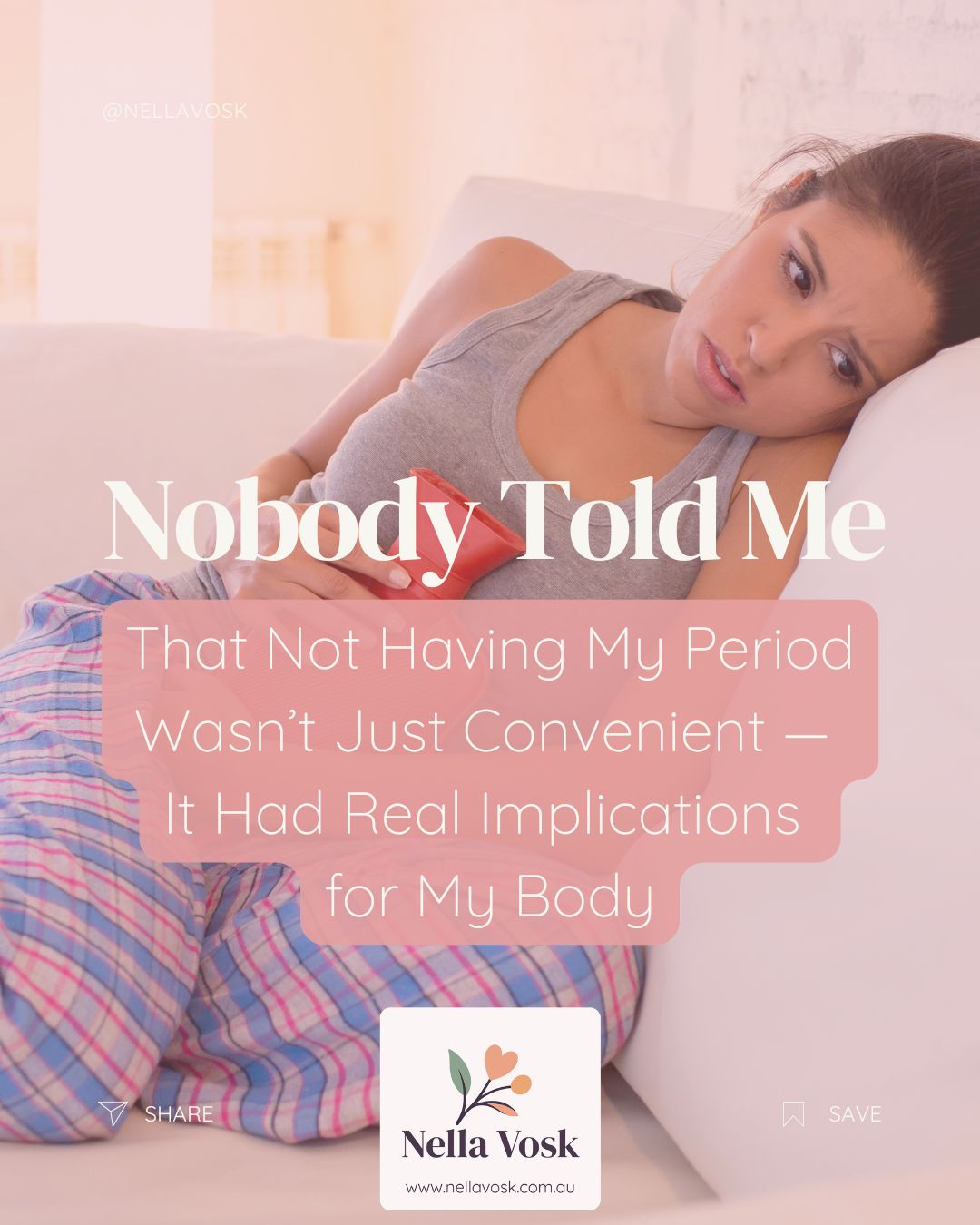
    Nobody Told Me That Not Having My Period Wasn’t Just Convenient — It Had Real Implications for My Body
    Nobody Told Me That Not Having My Period Wasn’t Just Convenient — It Had Real Implications for My Body

    Read More
    Nobody Told Me I Could Sleep Better Between Feeds with Something as Simple as Magnesium
    Nobody Told Me I Could Sleep Better Between Feeds with Something as Simple as Magnesium

    Read More
    Nobody Told Me That Pregnancy Had Literally Borrowed from My Brain
    Nobody Told Me That Pregnancy Had Literally Borrowed from My Brain

    Read More