• Add description, images, menus and links to your mega menu

  • A column with no settings can be used as a spacer

  • Link to your collections, sales and even external links

  • Add up to five columns

  • da

  • A column with no settings can be used as a spacer

  • Link to your collections, sales and even external links

  • Add up to five columns

  • Baby-Led Weaning: A Calm, Practical Guide to Starting BLW in Australia

    Founder of Nella Vosk • 14+ years supporting families across motherhood, feeding, and early childhood wellbeing

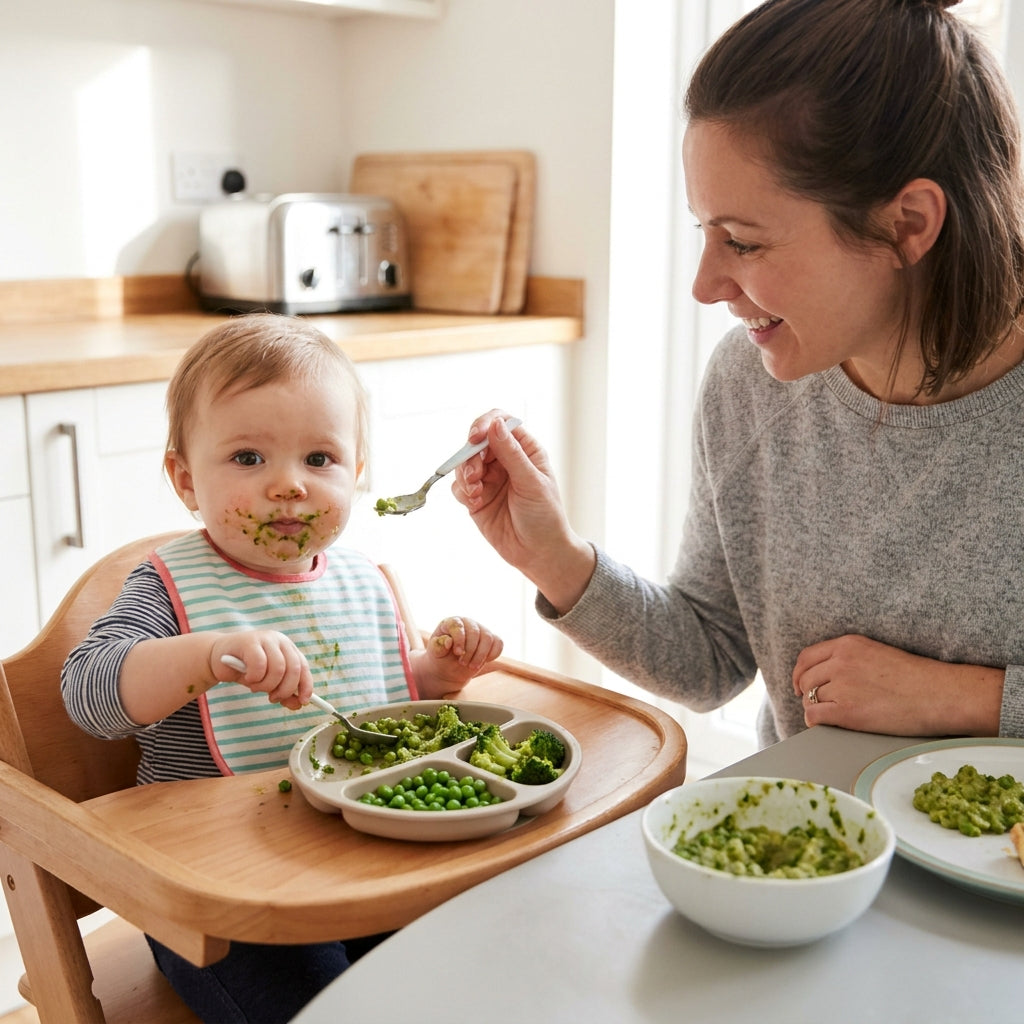
    Baby eating soft vegetables in a highchair
    Day Iron-rich food Plus
    1 Slow-cooked beef strip, soft enough to squash Roast sweet potato wedge
    2 Slow-cooked beef strip again Steamed broccoli tree
    3 Omelette strip (well-cooked egg, first allergen) Avocado wedge, skin partly on for grip
    4 Lamb meatball, soft and finger-shaped Steamed carrot stick, very soft
    5 Omelette strip again Banana, half peeled as a handle
    6 Salmon flakes, bones removed Soft roast pumpkin
    7 Toast finger with smooth peanut butter, thinly spread (second allergen) Steamed zucchini stick
    8 Chicken thigh strip, slow-cooked Very ripe pear wedge, skin off
    9 Lentil patty, soft Plain full-fat yoghurt on a preloaded spoon
    10 Firm tofu strip Steamed green bean, very soft
    11 Beef mince patty Steamed cauliflower floret, very soft
    12 Egg again Toast finger with hummus (sesame)
    13 Fish again Soft cooked pasta spirals
    14 Iron-fortified cereal on a preloaded spoon Mango strip, ripe and soft
    Age Your baby's grip How to serve
    Around 6 to 8 months Whole-hand grab (palmar grasp) Finger-length strips, about as wide as two adult fingers, so food sticks out of the fist
    Around 8 to 10 months Developing pincer grasp Smaller soft pieces, about the size of a chickpea, plus strips
    Around 10 to 12 months Neat pincer grasp Bite-sized soft pieces of family food
    12 months and up Using a spoon and fork Family meals, cut small, with choking risks still prepared safely

    Frequently Asked Questions

    Baby-led weaning (BLW) is a way of starting solids where babies feed themselves soft finger foods from around 6 months, instead of being spoon-fed purées. The baby sits upright, chooses what to pick up and controls how much goes in, with an adult right beside them

    Start around 6 months, once your baby sits upright with little support, holds their head steady, reaches for food and no longer pushes food out with their tongue. Never start solids before 4 months.

    Start with soft, iron-rich foods such as slow-cooked beef or lamb strips, omelette strips, salmon, lentil patties or tofu. Add soft vegetables and fruit like roast sweet potato, steamed broccoli, avocado and banana.

    Research from New Zealand found babies following a modified BLW approach were no more likely to choke than spoon-fed babies. Safety depends on sitting your baby upright, always supervising, offering soft foods and avoiding high choking-risk foods.

    Neither is clearly better for every baby. Both lead to family foods by around 12 months, and many families mix the two. Choose what suits your baby and your family.

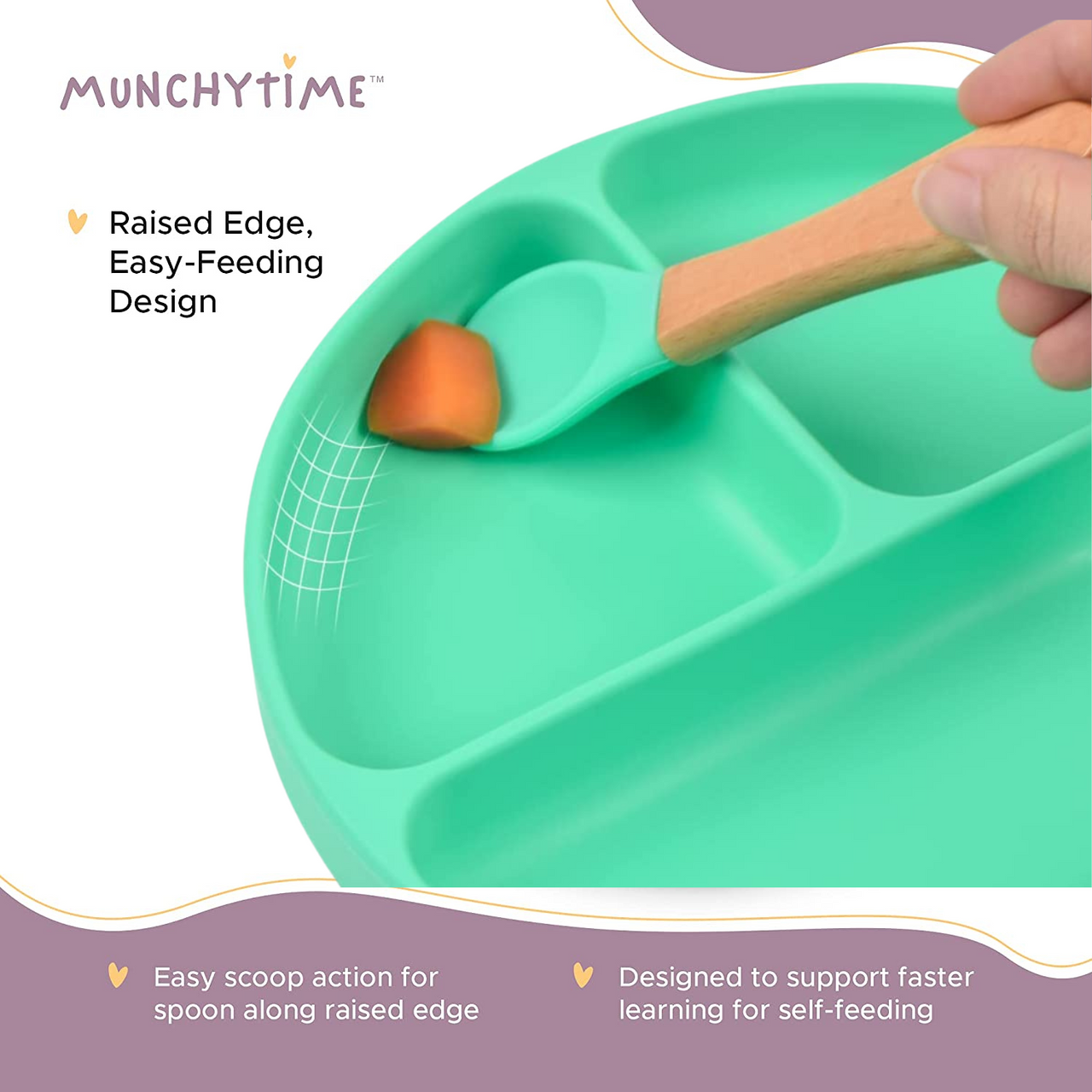
    No, but a short, chunky BLW spoon helps. Preload it with yoghurt or mash and let your baby feed themselves, so they practise self-feeding with wet foods too.

    Not much at first. Milk is still the main food for most of the first year. Let your baby decide how much to eat, and watch the trend over weeks, not single meals.