
• Add description, images, menus and links to your mega menu

  • A column with no settings can be used as a spacer

  • Link to your collections, sales and even external links

  • Add up to five columns

  • da

  • A column with no settings can be used as a spacer

  • Link to your collections, sales and even external links

  • Add up to five columns

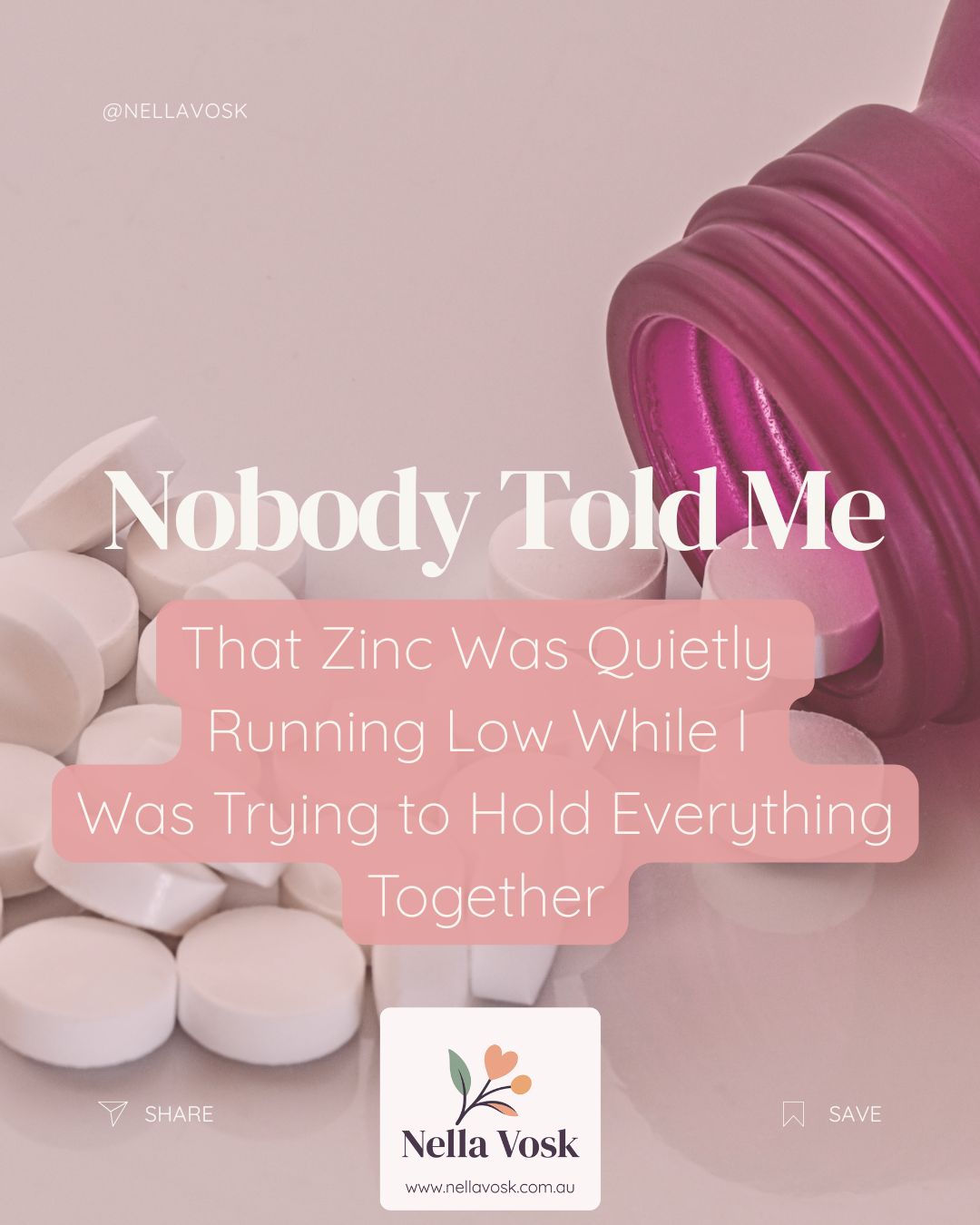
  • Nobody Told Me That Zinc Was Quietly Running Low While I Was Trying to Hold Everything Together

    Founder of Nella Vosk • 14+ years supporting families across motherhood, feeding, and early childhood wellbeing

    Nobody Told Me That Zinc Was Quietly Running Low While I Was Trying to Hold Everything Together


    This article is part of the Nella Vosk Postpartum Nutrition & Recovery: Complete Guide for New Mothers — your comprehensive resource on rebuilding your body after birth.

    This article is part of Nella Vosk’s Nobody Told Me series — a growing collection of posts about the information gap that too many mothers encounter after birth. Every article in this series starts from a moment a mother wasn’t told something she needed to know, and works back through the clinical truth behind it. You can find the full series at nellavosk.com.au/pages/nobody-told-me.


    Nobody told me that zinc was quietly running low while I was trying to hold everything together.

    Iron gets the most attention in postpartum nutrition conversations. DHA gets a mention in the context of breastfeeding and brain development. But zinc — the mineral that sits at the intersection of wound healing, immune function, mood regulation, taste, appetite, and reproductive recovery — is almost never discussed in postnatal care. And it is one of the most consistently depleted nutrients in the postpartum period.

    This post covers what zinc does, why birth and breastfeeding deplete it so rapidly, what low zinc actually looks like in a postpartum body (which is often mistaken for other things), whether you can take zinc while breastfeeding and in what amounts, and the best food sources for restoring zinc through diet.

    What Zinc Actually Does in the Postpartum Body

    Zinc is an essential trace mineral involved in over 300 enzymatic reactions in the human body. In the postpartum context, several of its roles are particularly significant:

    Wound healing

    Zinc is a critical cofactor in the synthesis of collagen — the structural protein that forms the scaffold of healing tissue. Whether a mother has a caesarean incision, a perineal tear, an episiotomy, or simply the internal tissue healing of the uterus after birth, all of these wounds require zinc to progress through the normal healing stages. Research consistently shows that zinc-deficient wounds heal more slowly, are more prone to infection, and produce less organised scar tissue than wounds in zinc-replete individuals.

    For the significant proportion of Australian mothers recovering from caesarean birth — approximately one in three — adequate zinc in the weeks after surgery is not a supplementary concern. It is a recovery essential that is almost never communicated.

    Immune function

    Zinc is required for the development and activation of immune cells, including T-lymphocytes and natural killer cells. Zinc deficiency directly impairs immune response, increasing susceptibility to infection and slowing the body’s ability to resolve existing infections. In the postpartum period — when immune function is already recalibrating after the pregnancy-induced immune modulation — zinc depletion compounds an already vulnerable window.

    This has practical implications for mastitis, wound infection, urinary tract infections, and the generally increased infectious susceptibility that many postpartum mothers notice. Low zinc is not the sole cause of these, but it is an underappreciated contributor.

    Mood and neurological function

    Zinc plays a direct role in neurotransmitter function, particularly in the regulation of GABA (gamma-aminobutyric acid) and glutamate systems that govern anxiety, stress reactivity, and mood stability. Zinc deficiency is associated in the research literature with increased anxiety, irritability, and low mood — symptoms that in the postpartum period are often attributed entirely to sleep deprivation, hormonal changes, or adjustment to new parenthood.

    Research on postpartum depression has found that lower serum zinc levels are associated with higher depression scores in postpartum women. This does not mean zinc deficiency causes postnatal depression, but it does suggest that zinc is one nutritional variable in the mood picture that is worth addressing.

    Taste and appetite

    One of the clearest clinical signs of zinc deficiency is impaired taste and smell — technically called hypogeusia and hyposmia. Food tastes flat or less flavourful than it should. This is worth mentioning specifically in the postpartum context because a mother whose food tastes dull is a mother who is less motivated to eat adequately — and inadequate eating is itself a driver of further nutritional depletion. Zinc deficiency contributes to a cycle where poor appetite leads to less eating, which leads to less zinc, which leads to further appetite impairment.

    Reproductive and hormonal recovery

    Zinc is involved in the metabolism of oestrogen and progesterone and plays a role in the hormonal recovery of the postpartum period. It is also required for normal thyroid hormone metabolism — relevant given the elevated rates of postpartum thyroiditis (affecting around 5 to 10% of postpartum women) during the first year after birth.

    Why Zinc Is Depleted Postpartum

    Zinc depletion in the postpartum period happens through multiple compounding pathways:

    Pregnancy demand

    During pregnancy, zinc is transferred preferentially to the developing foetus for cell division, growth, and immune system development. Australian women are recommended to increase zinc intake during pregnancy (from 8mg to 11mg per day), and many do not reach this target consistently through diet alone. Many postpartum mothers enter the period already carrying a zinc deficit from pregnancy.

    Birth blood loss

    Zinc is transported in the blood primarily bound to albumin and in red blood cells. Blood loss at birth — whether the 300 to 500ml typical of a vaginal birth or the 750 to 1,000ml or more of a caesarean section — directly depletes zinc stores alongside iron. The greater the blood loss, the greater the acute zinc depletion.

    Wound healing demand

    The tissue repair demands of birth create an elevated acute need for zinc that draws further on depleted stores. A mother healing a significant perineal tear, an episiotomy, or a caesarean incision is directing available zinc toward wound repair at a time when stores are already compromised from pregnancy and blood loss.

    Breastfeeding transfer

    Zinc is present in breast milk and is transferred to the baby with every feed. Colostrum has particularly high zinc concentrations — approximately 8 to 12mg per litre in the first days, compared to 1 to 3mg per litre in mature milk. This early high-zinc colostrum is important for the newborn’s immune system, but it represents a significant acute zinc demand on the mother at exactly the moment her stores are lowest.

    As breastfeeding continues and milk transitions to mature milk, the zinc concentration decreases substantially, but the ongoing daily transfer still adds to the cumulative demand. NHMRC guidelines recommend that Australian breastfeeding women consume 12mg of zinc per day — 50% more than the pre-pregnancy recommendation.

    What Low Zinc Actually Looks Like in a Postpartum Body

    The signs of zinc deficiency postpartum are frequently attributed to other causes — sleep deprivation, hormonal shifts, the general exhaustion of new motherhood. This is partly because the symptoms are non-specific and partly because zinc is rarely tested in standard postnatal care. Signs worth noting include:

    • Slow wound healing — a perineal tear, episiotomy, or caesarean incision that is taking longer than expected to heal, is breaking down, or is recurring

    • Increased susceptibility to infection — frequent colds, recurrent mastitis, repeated urinary tract infections, persistent thrush

    • Loss of taste or smell, or food tasting flat and less flavourful than before

    • Poor appetite — particularly combined with the above

    • Skin changes — dry skin, acne, or skin that is slow to heal after minor irritation or scratching

    • Hair loss that is more extensive or prolonged than expected — zinc deficiency contributes to telogen effluvium alongside the hormonal drivers more commonly discussed

    • Mood changes — increased anxiety, irritability, or low mood that is not fully explained by sleep deprivation or the emotional adjustment of new parenthood

    • White spots on the nails (leukonychia) — a traditional clinical sign of zinc deficiency, though not specific to it

    Zinc can be tested through a serum zinc blood test, though interpretation is complicated by the fact that serum zinc can remain in the normal range even when tissue zinc is depleted. If you have multiple symptoms from the above list alongside a history of poor dietary zinc intake, discussing this with your GP is worthwhile even if a blood test is inconclusive.

    For a broader picture of postpartum nutritional depletion and its signs, the dedicated article on signs of postpartum depletion covers the full picture including zinc alongside iron, DHA, and other commonly depleted nutrients.

    Does Zinc Pass Through Breast Milk?

    Yes — and this is one of the reasons zinc demand is elevated during breastfeeding. Zinc is actively transferred into breast milk, with concentrations highest in colostrum and gradually declining through the transitional and mature milk stages. This transfer is tightly regulated by the mammary gland, meaning that milk zinc concentration is maintained relatively consistently even when maternal zinc intake is low — at the expense of the mother’s own stores.

    In practical terms, this means a breastfeeding mother who is not consuming adequate dietary zinc will deplete her own zinc reserves to maintain zinc in her milk. The baby’s zinc status is largely protected; the mother’s is not. This is the same mechanism that operates for iron and DHA — and it is the physiological basis for the elevated zinc recommendations for breastfeeding women.

    Can You Take Zinc While Breastfeeding?

    Yes. Zinc supplementation is considered safe during breastfeeding within recommended dose ranges, and is one of the few nutrients for which supplementation during lactation has specific clinical support.

    The NHMRC recommended dietary intake (RDI) for zinc during breastfeeding is 12mg per day. The upper level of intake — the point above which risk of adverse effects becomes a concern — is 40mg per day for adults. Supplemental zinc in the range of 15 to 25mg per day is commonly used in clinical practice and is well within the safe range for breastfeeding mothers.

    Several considerations around zinc supplementation are worth knowing:

    Form matters

    Zinc is available in several supplemental forms with varying bioavailability. Zinc picolinate and zinc bisglycinate are generally considered the most bioavailable forms — meaning more zinc is absorbed per milligram compared to forms like zinc sulphate, which can also cause nausea and gastrointestinal discomfort in some people. Zinc gluconate is intermediate in bioavailability and is generally well-tolerated.

    Timing with food

    Zinc supplements are better absorbed when taken with a small amount of food but not with a large meal high in phytates (wholegrains, legumes), which can inhibit zinc absorption. They should also not be taken at the same time as iron supplements, as iron and zinc compete for the same absorption pathway. If you are taking both, separate them by at least two hours.

    Copper balance

    High-dose or long-term zinc supplementation can deplete copper, as the two minerals compete for absorption. Supplementing zinc above 25mg per day for extended periods without also supplementing copper is worth discussing with a GP or dietitian. At typical postpartum supplementation doses (15 to 25mg), this is generally not a concern for short-term use, but is worth being aware of.

    Food first, supplement second

    Where dietary zinc intake can be improved through food, this is always the preferred approach — food provides zinc alongside the cofactors that support its absorption and use in the body, in ways that supplements alone cannot fully replicate. Supplementation is most appropriate when dietary intake is genuinely insufficient or when a specific deficiency is identified.


    Best Food Sources of Zinc for Breastfeeding Mothers

    Zinc is found in a wide range of foods, with highest concentrations in animal proteins:

    Highest zinc content

    • Oysters: the single richest dietary source of zinc — 6 oysters provide approximately 32mg of zinc. Cooked oysters are safe during breastfeeding; raw oysters carry food safety risks and should be avoided.

    • Red meat: beef and lamb are excellent zinc sources, with 100g of beef providing approximately 4 to 7mg of zinc depending on the cut. Dark cuts (e.g. chuck, shin) tend to be higher in zinc than lean cuts.

    • Crab and lobster: high zinc alongside other minerals and protein

    • Pork: a good source of zinc and B vitamins

    Good zinc sources

    • Pumpkin seeds (pepitas): one of the best plant sources of zinc at approximately 2 to 3mg per 30g serve. Easily added to oats, yoghurt, salads, or eaten as a snack.

    • Legumes (chickpeas, lentils, black beans, kidney beans): contain meaningful zinc alongside iron, protein, and fibre. Zinc bioavailability from legumes is lower than from animal sources due to phytate content, but can be improved by soaking, sprouting, or fermenting before cooking.

    • Eggs: approximately 0.6mg per egg, with the yolk containing most of the zinc

    • Dairy (cheese, milk, yoghurt): moderate zinc content with good bioavailability

    • Cashews, pine nuts, and other nuts: useful zinc contributors when eaten regularly

    • Wholegrains (oats, quinoa, brown rice): contain zinc alongside phytates; soaking or fermenting reduces phytate content and improves zinc availability

    • Dark chocolate: a meaningful and enjoyable source of zinc (approximately 3mg per 30g of 70%+ dark chocolate)

    Maximising zinc absorption from plant sources

    Phytic acid — found in wholegrains, legumes, and seeds — binds zinc and reduces its absorption. Soaking dried legumes before cooking, using sprouted grains, and eating zinc-rich plant foods alongside vitamin C-rich foods or fermented foods can meaningfully improve absorption. For mothers relying primarily on plant sources of zinc, the combination of preparation method and dietary diversity matters more than the raw zinc content on a nutrition table.

    How Much Zinc Do Breastfeeding Mothers Need?

    The NHMRC recommended dietary intake for zinc during breastfeeding is 12mg per day for women over 19 years of age — compared to 8mg per day before pregnancy. The average Australian diet provides approximately 8 to 11mg per day for women, meaning many breastfeeding mothers are not reaching the elevated recommendation through diet alone without deliberate attention.

    If you are vegetarian or vegan, the recommended intake is higher still — approximately 50% above the standard recommendation — to account for the lower bioavailability of zinc from plant sources. A breastfeeding vegan mother should be targeting approximately 16 to 18mg of zinc per day and likely requires supplementation to achieve this.

    The upper tolerable limit for zinc intake from all sources is 40mg per day. Excess zinc above this level can cause nausea, reduce copper absorption, and impair immune function — the opposite of its intended effect.

    Keep Reading

    These posts support the complete postpartum nutrition picture:

    Signs of Postpartum Depletion (And What to Do)

    Iron-Rich Foods for Postpartum Recovery

    Postpartum Nutrition & Recovery: Complete Guide for New Mothers

    Best Postpartum Snacks for Energy and Milk Supply

    Breastfeeding Nutrition & Milk Supply: Evidence-Based Guide

    Postpartum Bleeding (Lochia): What’s Normal After Birth

    Postpartum Allergies: Why They Happen & What to Do


    Zinc is one of the nutrients most consistently missing from postpartum recovery conversations — and one of the most consistently underprovided in the postpartum diet. The Nella Vosk postpartum recovery range is formulated by a Certified Postpartum Nutrition Professional to address the specific depletion profile of the postpartum body, including the minerals that don’t make the headlines but quietly undermine recovery when they’re low.


    ABOUT THE AUTHOR

    Kelly Northey is a Certified Postpartum Nutrition Professional (CPPNP) and founder of Nella Vosk, an Australian maternal and family wellness brand. She specialises in postpartum nutritional recovery, breastfeeding nutrition, and the clinical reality of what the postpartum body actually needs. Learn more about Kelly.


    Also in Nobody Told Me: Your Body After Birth

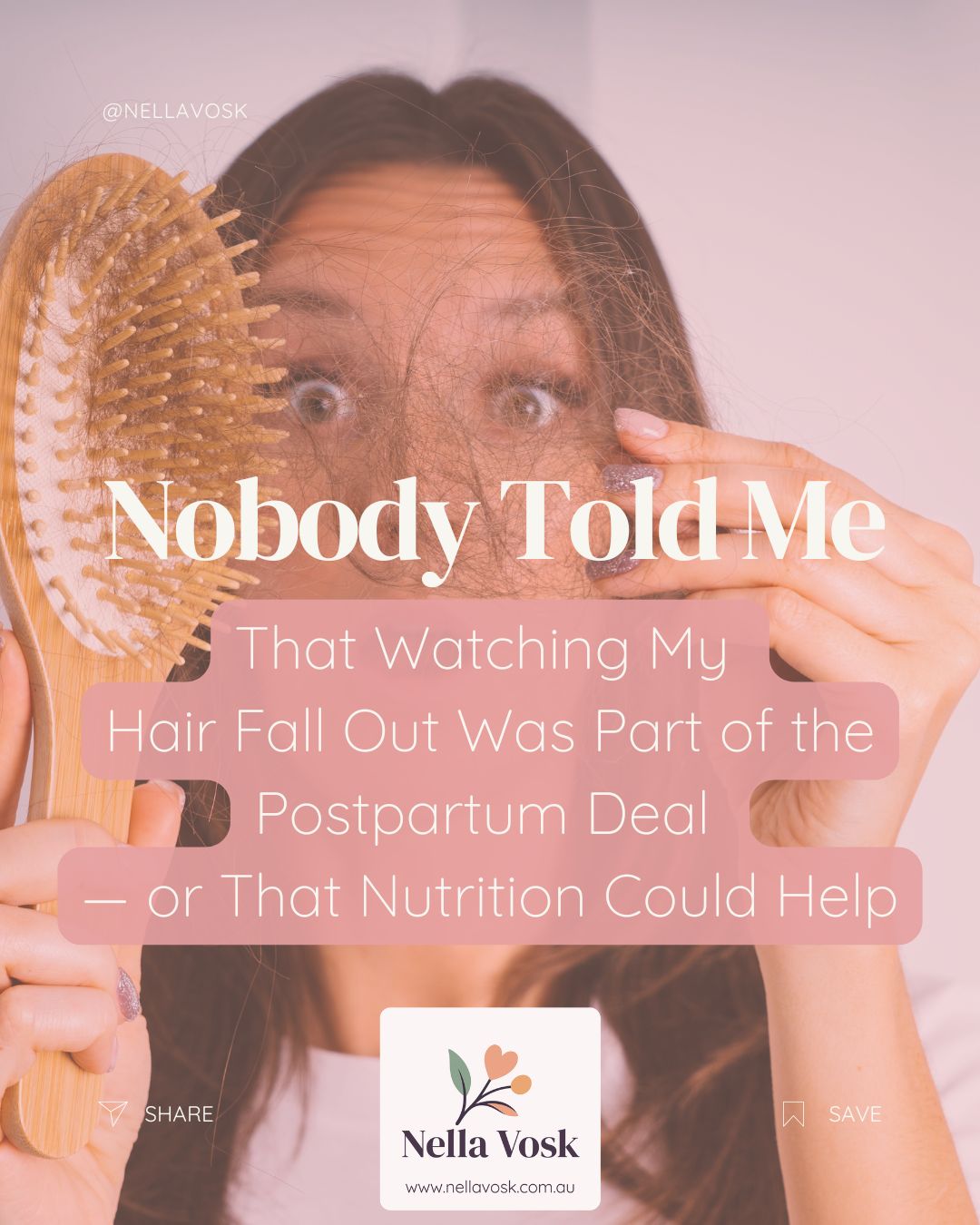
    Nobody Told Me That Watching My Hair Fall Out Was Part of the Postpartum Deal — or That Nutrition Could Help
    Nobody Told Me That Watching My Hair Fall Out Was Part of the Postpartum Deal — or That Nutrition Could Help

    Read More
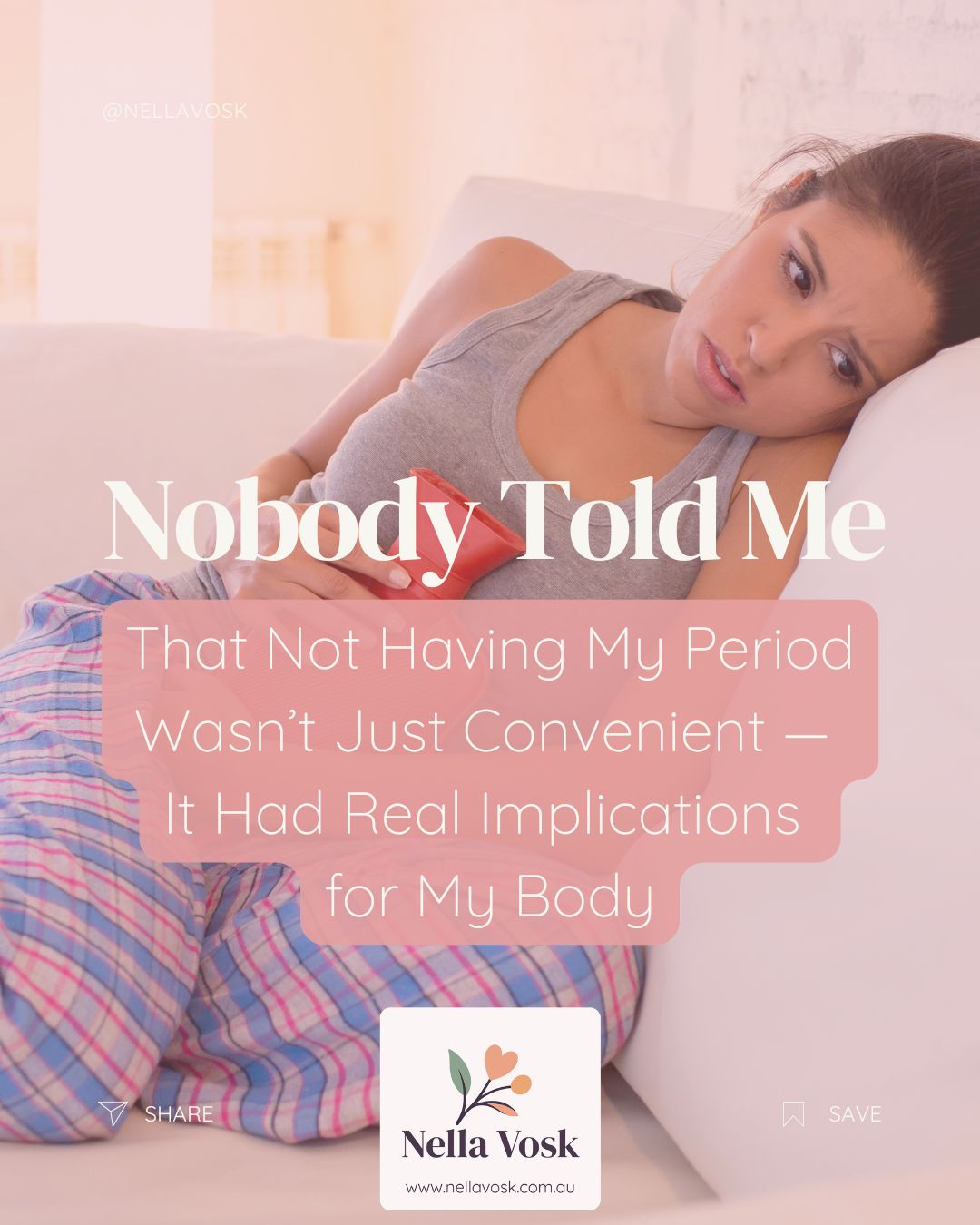
    Nobody Told Me That Not Having My Period Wasn’t Just Convenient — It Had Real Implications for My Body
    Nobody Told Me That Not Having My Period Wasn’t Just Convenient — It Had Real Implications for My Body

    Read More
    Nobody Told Me I Could Sleep Better Between Feeds with Something as Simple as Magnesium
    Nobody Told Me I Could Sleep Better Between Feeds with Something as Simple as Magnesium

    Read More