


• Add description, images, menus and links to your mega menu

  • A column with no settings can be used as a spacer

  • Link to your collections, sales and even external links

  • Add up to five columns

  • da

  • A column with no settings can be used as a spacer

  • Link to your collections, sales and even external links

  • Add up to five columns

  • The Best Foods for Lactation: A Complete Guide for Australian Mothers

    Founder of Nella Vosk • 14+ years supporting families across motherhood, feeding, and early childhood wellbeing

    The Best Foods for Lactation: A Complete Guide for Australian Mothers
    Food Why it’s recommended How to include
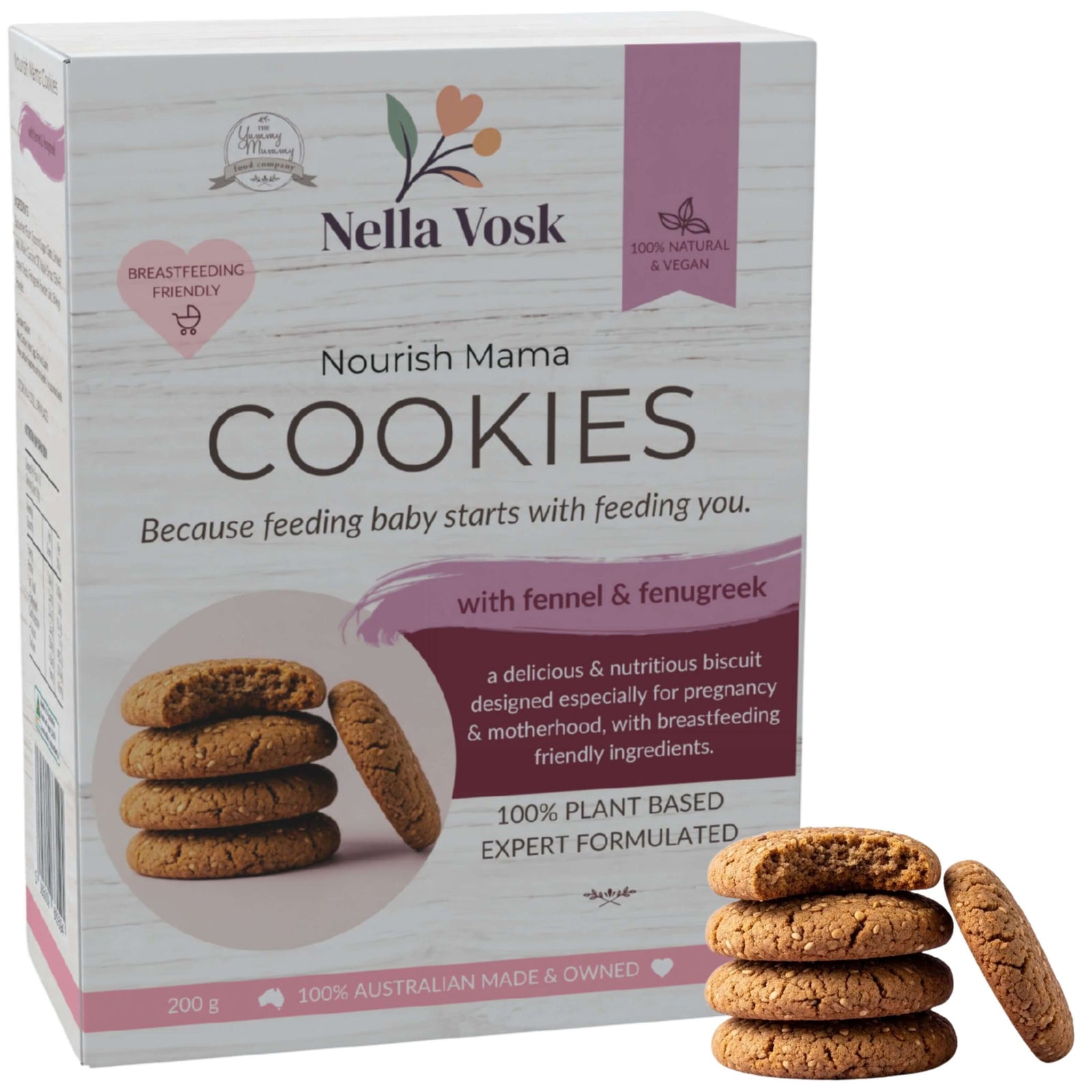
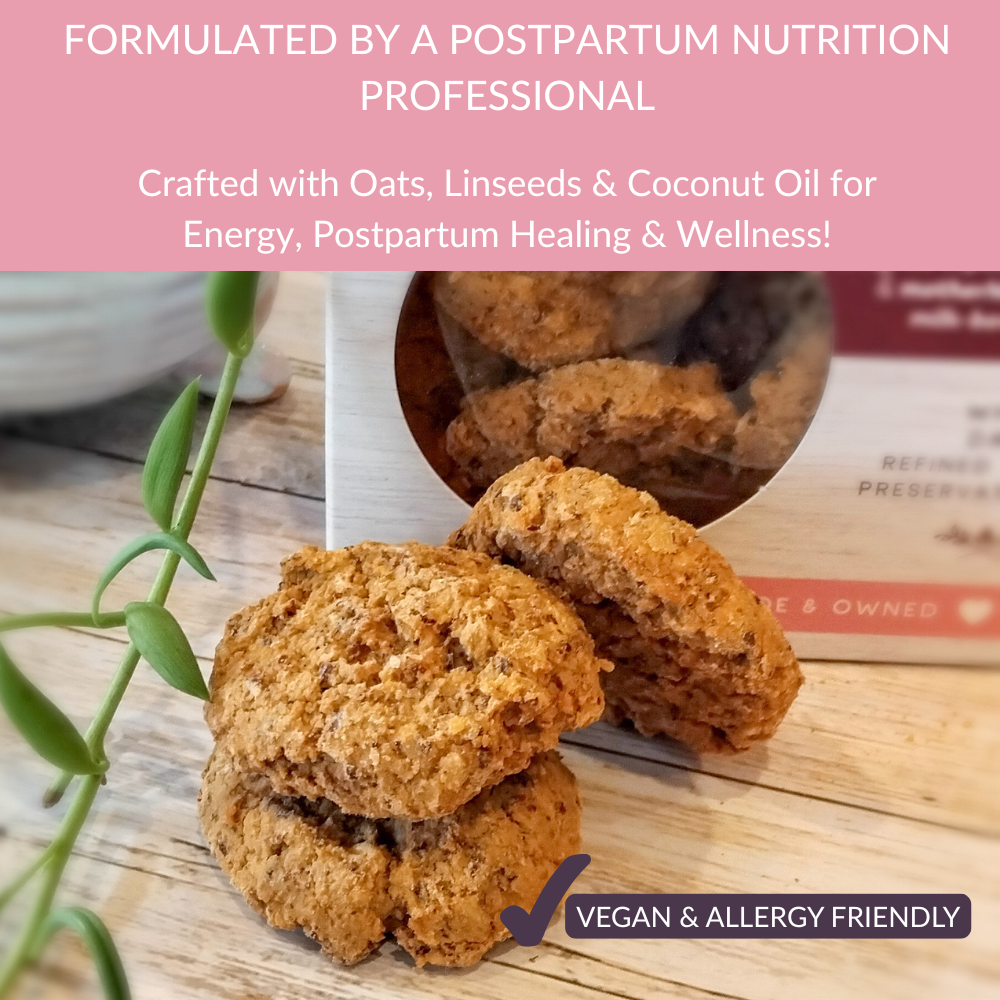
    Oats Beta-glucan may support prolactin levels. Rich in iron, B vitamins, and soluble fibre. One of the most consistently recommended lactation foods across cultures and evidence. Porridge, overnight oats, added to smoothies, in lactation cookies and baked goods
    Fennel Mild phytoestrogen with traditional lactation use across many cultures. Good safety profile at food and tea quantities. Also helps ease digestive discomfort in mother and baby. Add to salads and stir-fries, fennel tea, in lactation formulations
    Fenugreek Most studied herbal galactagogue; mild positive effect in meta-analysis. Caution: some mothers — particularly those with thyroid conditions or blood sugar dysregulation — see a supply drop. Individual response varies significantly. Fenugreek tea, in lactation supplement formulations. Start small and monitor.
    Dark leafy greens Provide phytoestrogens, iron, calcium, folate, and vitamin K. Nutritionally important regardless of galactagogue effect. Spinach, kale, rocket, silverbeet — add to omelettes, pasta, curries, smoothies
    Nuts and seeds Provide protein, healthy fats, zinc, magnesium, and selenium. Flaxseed in particular contains lignans (phytoestrogens) and omega-3 ALA. Convenient one-handed snacks. Almonds, cashews, pumpkin seeds, sunflower seeds, flaxseed meal added to oats or smoothies
    Garlic Traditional galactagogue with some evidence that it may support milk let-down. Flavour from garlic passes into breast milk — most babies are unaffected or show preference. Use liberally in cooking; no supplementation needed
    Legumes Lentils, chickpeas, and beans provide protein, iron, zinc, and fibre alongside traditional galactagogue reputation. Nutritionally valuable regardless of supply effect. Lentil soups, dahl, hummus, chickpea curries — batch cook for convenience
    ```

    Frequently Asked Questions

    The best foods for lactation are those that cover the elevated nutritional demands of breastfeeding: protein-rich foods (eggs, meat, fish, legumes, yoghurt), calcium-dense foods (dairy, fortified plant milks, sardines, tahini), iron-rich foods (red meat, lentils, dark leafy greens), oily fish for DHA, and diverse fruit and vegetables for vitamins and minerals.

    Beyond these foundations, oats, fennel, and fenugreek are the galactagogue foods with the most evidence and the best safety profiles.

    Australian NHMRC guidelines recommend approximately 330–400 additional calories per day for exclusively breastfeeding mothers, above pre-pregnancy needs. This is slightly more than during pregnancy.

    These calories are best sourced from nutrient-dense foods rather than empty-calorie options, as specific nutrient requirements — not just energy — are elevated during lactation.

    No food reliably boosts breast milk supply for every mother — supply is primarily driven by feeding frequency and effective milk removal. However, several foods are traditionally and evidentially associated with lactation support: oats (beta-glucan may support prolactin), fennel (mild phytoestrogen), fenugreek (most studied herbal galactagogue, though individual response varies), dark leafy greens, and legumes.

    Adequate overall caloric and nutrient intake is the single most important dietary factor for supply.

    A practical lactation day includes: a protein-rich breakfast with calcium (Greek yoghurt with oats and eggs), a mid-morning protein snack (nuts, cheese, or nut butter with fruit), a quick lunch including fish or legumes with vegetables, an afternoon snack including protein or healthy fat, and a warm protein-and-vegetable dinner.

    Water should be consumed at every feed. The emphasis is on nutrient density and convenience rather than elaborate preparation.

    Not universally, but many Australian mothers benefit from targeted supplementation during breastfeeding. Iodine is recommended by the Australian Department of Health as a supplement for breastfeeding mothers given depleted soil levels. Vitamin D is important for many Australians, particularly those with limited sun exposure.

    B12 supplementation is essential for vegan and vegetarian mothers. A quality postnatal supplement covering these gaps is a practical safeguard alongside a nutritious diet.

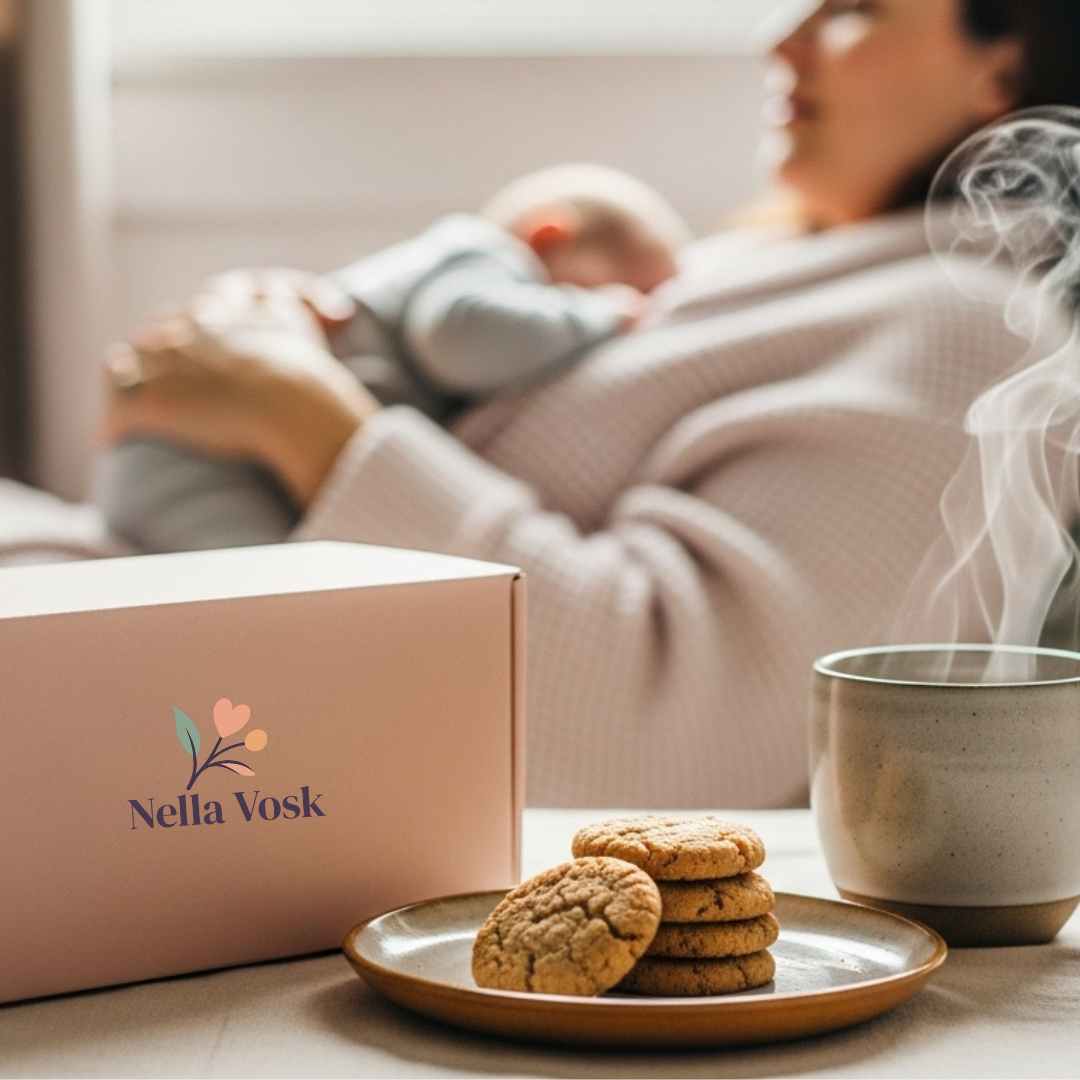
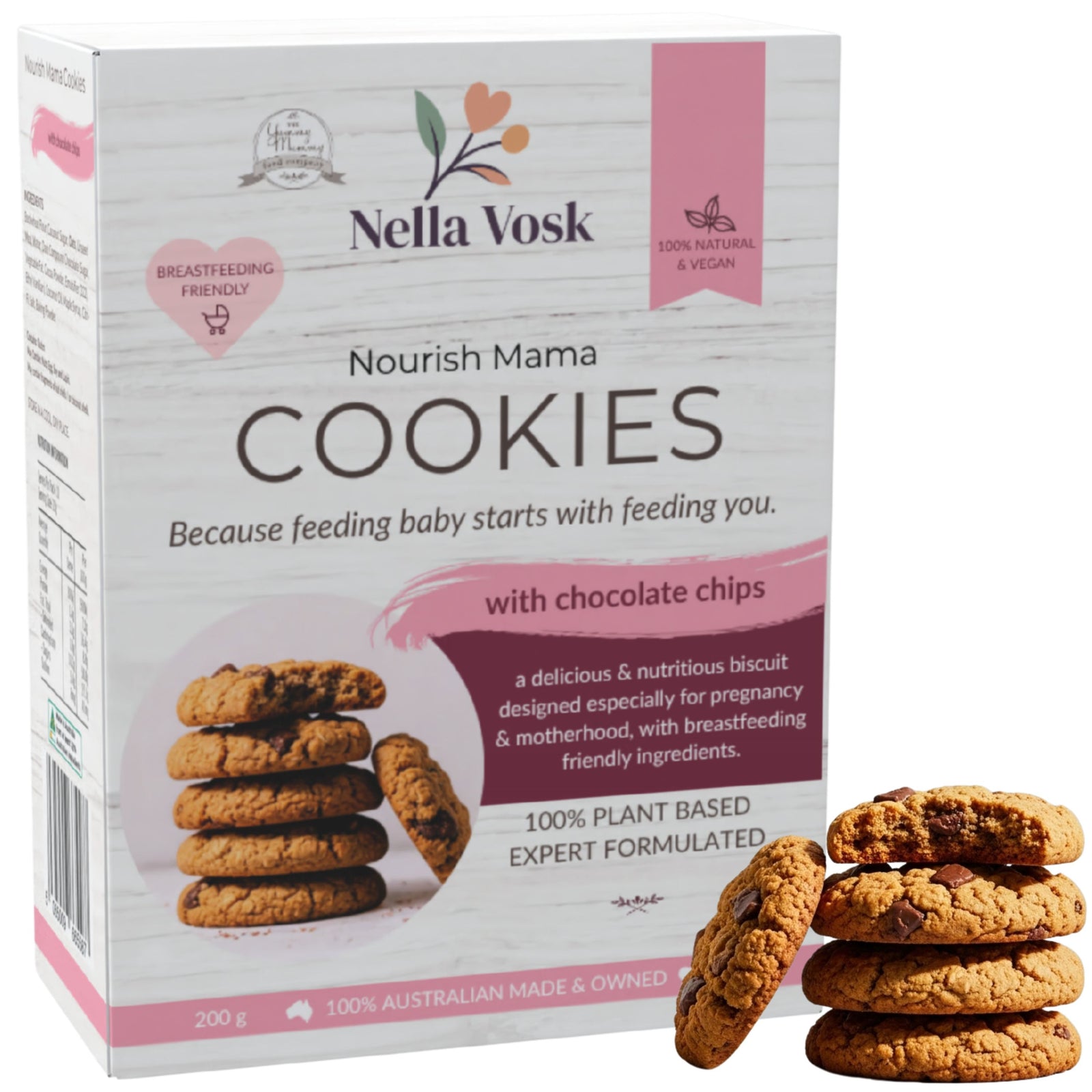
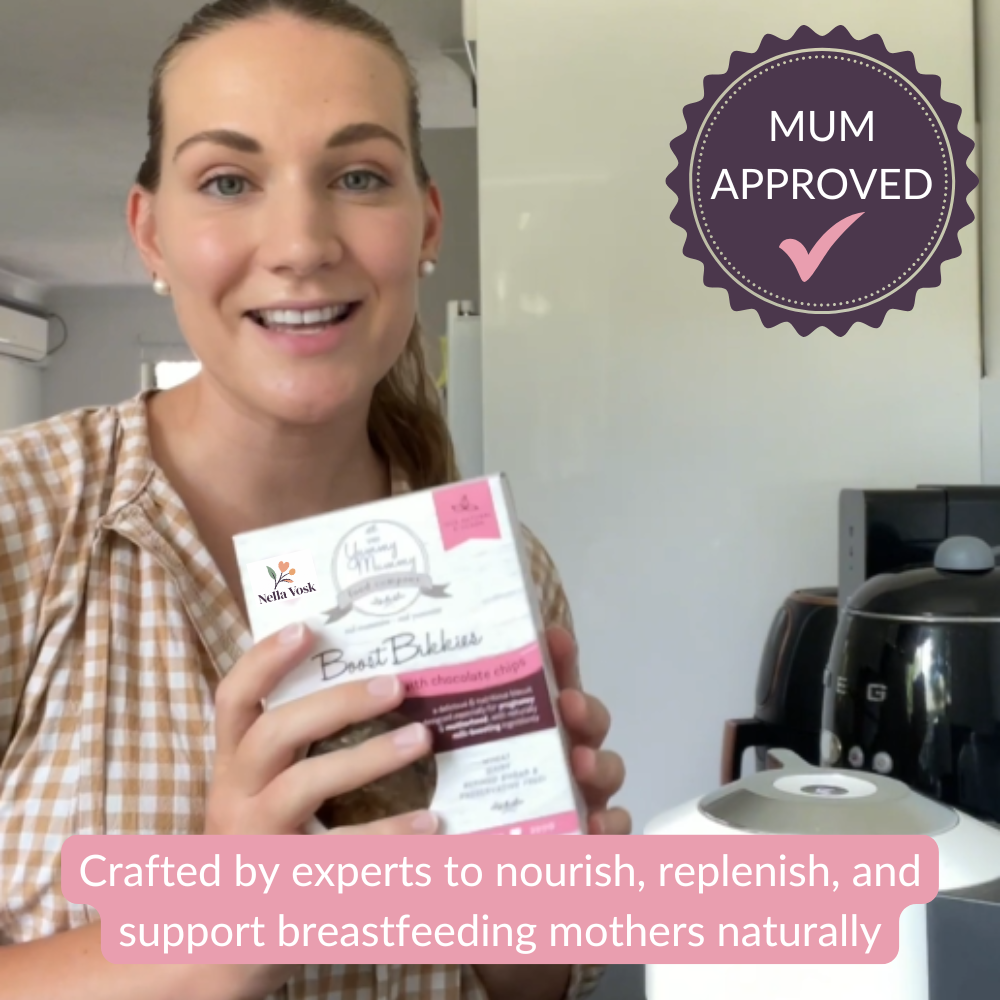
    Nella Vosk Lactation Cookie Gift Hamper – Baby Shower Present