

• Add description, images, menus and links to your mega menu

  • A column with no settings can be used as a spacer

  • Link to your collections, sales and even external links

  • Add up to five columns

  • da

  • A column with no settings can be used as a spacer

  • Link to your collections, sales and even external links

  • Add up to five columns

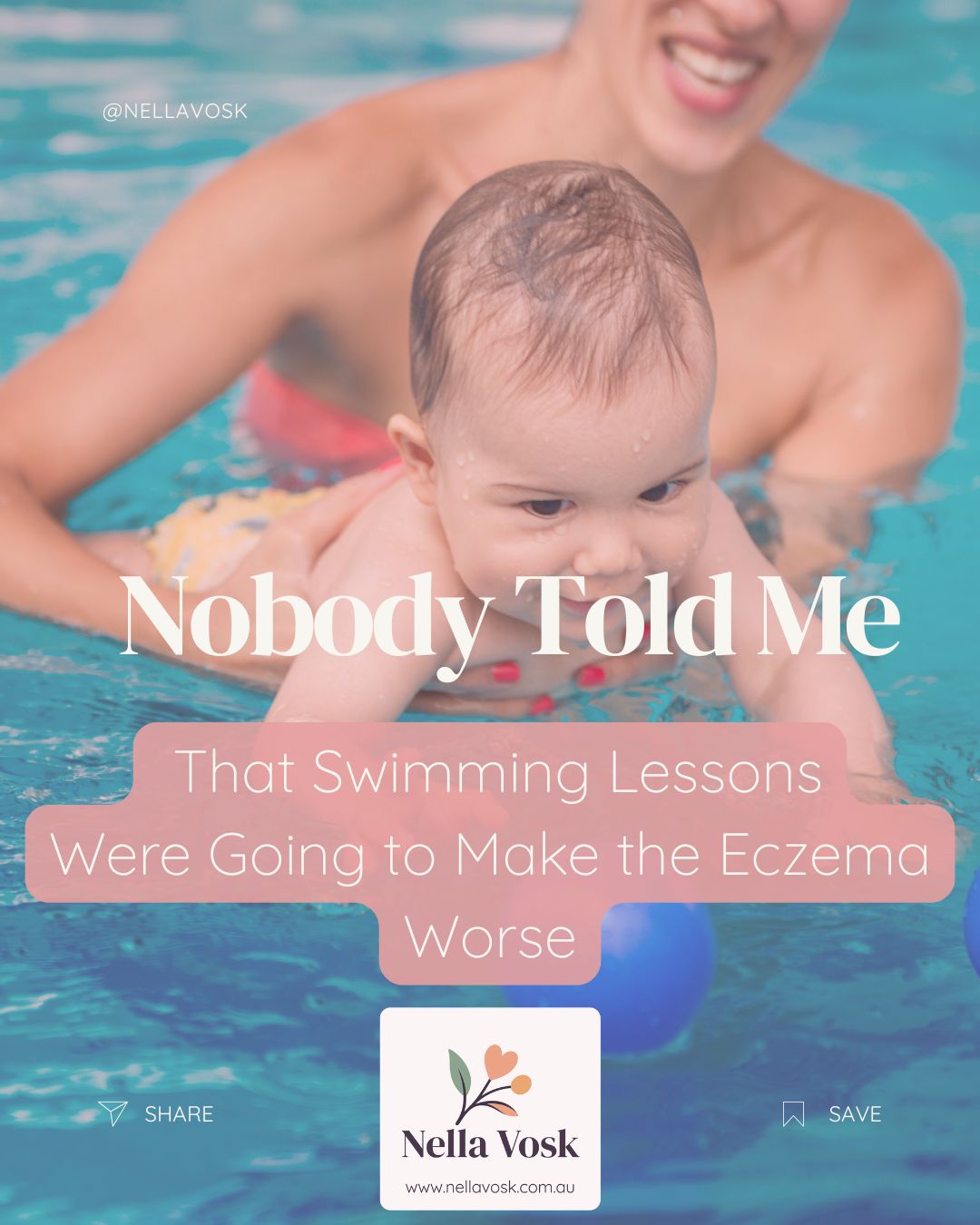
  • Nobody Told Me That Swimming Lessons Were Going to Make the Eczema Worse

    Founder of Nella Vosk • 14+ years supporting families across motherhood, feeding, and early childhood wellbeing

    Nobody Told Me That Swimming Lessons Were Going to Make the Eczema Worse

    This article is part of the Nella Vosk Complete Guide to Baby Eczema for Australian Families — everything you need to know about managing eczema-prone skin from the early months through toddlerhood.

    This article is part of Nella Vosk’s Nobody Told Me series — a growing collection of posts written for the parent who has been trying everything and still feels like they’re failing their child. Every post in this series starts from a moment a parent wasn’t given information they needed, and works back through what the evidence actually says. You can find the full series at nellavosk.com.au/pages/nobody-told-me.


    Nobody told me that swimming lessons were going to make the eczema worse.

    I had enrolled my daughter in baby swimming lessons at six months, as recommended by every parent group I was in and supported by the Royal Life Saving Society’s early swimming advocacy. I was proud of the decision. Two weeks in, her skin was noticeably worse. The eczema that had been manageable — patchy, mostly on the cheeks and inner elbows — was spreading and angrier. It took me another week to connect the dots, and a further conversation with a dermatologist to understand why.

    Nobody in the swimming lesson environment mentioned eczema and chlorine. Nobody at the pool gave me a guide to preparing eczema skin for a chlorinated pool. Nobody at the six-week GP check had said: if your baby has eczema and you’re planning swimming lessons, here is what you need to know.

    This post covers the chlorine-eczema mechanism, whether swimming genuinely worsens eczema or whether it is manageable, and exactly what to do before and after pool sessions to protect eczema-prone skin. Australia has one of the highest rates of childhood swimming participation in the world and one of the highest rates of childhood eczema. The two intersect in virtually every family managing atopic dermatitis, and the information gap is significant.

    Does Swimming Worsen Eczema?

    It can — but whether it does depends on several variables, and the answer is not a blanket yes or no.

    Swimming in a chlorinated pool is a potential eczema trigger for many children with atopic dermatitis, and for some children it is a significant and reliable trigger. The mechanism is specific: chlorine and its byproducts interact with the compromised skin barrier of eczema-prone skin in ways that they do not affect intact skin. For children whose skin barrier is already functionally impaired, pool swimming without adequate preparation and aftercare consistently worsens the picture.

    However, swimming is not forbidden for children with eczema. Children with well-managed eczema, whose skin is in a relatively stable and non-flaring state, and who receive appropriate skin preparation before and careful aftercare after pool sessions, can and do swim without significant worsening of their condition. The question is not whether to swim, but how to swim safely.

    Does Chlorine Cause Eczema to Flare Up? The Mechanism

    Chlorine is added to swimming pools as a disinfectant. In its free form (hypochlorous acid and hypochlorite ion), it inactivates bacteria, viruses, and other pathogens in the water. At the concentrations used in Australian public pools — typically 1 to 3 parts per million (ppm) of free chlorine — it is safe for the vast majority of swimmers with intact skin.

    For eczema-prone skin, the picture is different:

    Barrier disruption

    Chlorine is a surfactant at pool concentrations — it disrupts the lipid layer that forms part of the skin’s protective barrier. In healthy skin, this lipid layer is rapidly restored after pool exposure. In eczema-prone skin, which already has reduced ceramide and fatty acid content in the stratum corneum, the chlorine-induced lipid removal compounds an existing deficiency. The barrier, already inadequate, becomes further compromised after pool swimming, increasing trans-epidermal water loss and skin permeability in the hours following a session.

    Chloramine formation and irritation

    When free chlorine in pool water reacts with nitrogen-containing compounds — sweat, urine, body oils, sunscreen — it forms chloramines (combined chlorine). Chloramines are more irritating to skin and mucous membranes than free chlorine and produce the characteristic “pool smell” that people associate with heavily chlorinated water. Paradoxically, the stronger the pool smell, the more chloramines are present — and chloramines are a more potent skin irritant than free chlorine. For eczema skin, chloramine exposure intensifies the barrier-disrupting effect.

    pH effects

    The pH of pool water is maintained between 7.2 and 7.8 for safety and efficacy reasons. The skin’s natural pH is approximately 4.5 to 5.5 (slightly acidic), which supports the acid mantle — a protective film of sebum and sweat that inhibits bacterial growth and maintains skin barrier function. Prolonged exposure to pool water at pH 7.2 to 7.8 shifts the skin surface toward a more alkaline pH, disrupting the acid mantle and further compromising barrier function. The skin’s ability to re-acidify after pool exposure is reduced in eczema-prone skin compared to healthy skin.

    Staphylococcus aureus and pool exposure

    More than 90% of people with atopic eczema have elevated Staphylococcus aureus colonisation on their skin. S. aureus produces proteases (enzymes) that degrade the skin barrier proteins, including filaggrin, and produce toxins that drive inflammation. Pool chlorine at standard concentrations does have some antimicrobial effect on S. aureus — which is one reason why very dilute bleach baths (at a concentration similar to a well-maintained swimming pool) are sometimes recommended by dermatologists for eczema management.

    However, this antimicrobial benefit is typically outweighed by the barrier-disrupting effects of pool exposure in children whose skin is in a flaring or poorly controlled state. The distinction between therapeutic dilute bleach baths (controlled concentration, brief soak, immediate emollient application) and recreational pool swimming (variable chlorine concentration, prolonged exposure, often followed by drying in the sun without emollient application) is clinically significant. One is a managed intervention; the other is an uncontrolled trigger.

    Is Swimming Bad for Baby Eczema? When It Helps vs When It Harms

    The variables that determine whether pool swimming helps or harms eczema-prone skin:

    • Current skin state: the most important variable. Swimming in a chlorinated pool during an active eczema flare, or when the skin has open or broken areas, significantly worsens the outcome. The compromised barrier allows deeper chlorine penetration, the S. aureus colonisation on open skin creates infection risk, and the post-swim inflammatory response adds to existing inflammation. Swimming is most safely undertaken when the skin is in a stable, non-flaring state

    • Pool chlorine concentration: public pools in Australia are regulated to maintain 1 to 3 ppm free chlorine. Poorly maintained pools may have higher chloramine concentrations even at acceptable free chlorine levels. The classic “pool smell” is a reliable indicator of high chloramine load; a well-maintained pool should have minimal odour. Where possible, choose well-maintained pools with good ventilation and regular testing

    • Session duration: a 30-minute swimming lesson is very different from an afternoon at an indoor pool. Prolonged exposure increases the cumulative barrier-disrupting effect of chlorine. Where possible, shorter sessions with less total water contact time reduce risk

    • Pre-swimming emollient application: a thick emollient applied 15 to 30 minutes before pool entry creates a partial barrier between the skin and chlorinated water. This does not provide complete protection but meaningfully reduces direct chlorine contact with the skin surface

    • Post-swimming rinse and emollient application: the most critical intervention. Rinsing with fresh water immediately after leaving the pool removes chlorine residue before it dries on the skin. Applying emollient within three minutes of rinsing and towelling dry traps moisture and compensates for the lipid loss from pool exposure. This step is the most commonly missed and the most impactful

    • Indoor vs outdoor pools: indoor pools typically maintain higher chloramine concentrations due to reduced ventilation. Outdoor pools benefit from UV light, which degrades chloramines and reduces their skin irritant load. For children with eczema who are regular swimmers, outdoor or well-ventilated pools are generally preferable

    The Before-and-After Protocol for Swimming with Eczema

    Before pool entry

    • Apply a thick emollient (ointment or cream, not lotion) to all skin at least 15 to 30 minutes before pool entry. The emollient needs time to absorb and form its partial barrier before chlorine contact occurs. Applying it in the change room immediately before entry is less effective than applying it at home before leaving

    • Apply sunscreen over the emollient for outdoor pools. Use mineral-based (zinc oxide or titanium dioxide) sunscreen rather than chemical sunscreen on eczema-prone skin; chemical UV filters are more likely to irritate compromised skin

    • If the skin has any open, broken, or actively infected areas, do not swim. Chlorine exposure and S. aureus risk in pool water significantly increase the risk of infection in open skin. See the guide on infected eczema in babies for the signs of infected eczema that warrant delaying pool attendance

    Immediately after pool exit

    • Rinse with fresh water within five minutes of leaving the pool. Shower or rinse facilities at pools exist for this purpose. The rinse removes chlorine and chloramine residue from the skin surface before it can continue to work on the barrier during drying

    • Pat dry gently and quickly — the three-minute window applies here exactly as it does after the bath at home. Apply emollient to slightly damp skin within three minutes of towelling dry. This is the most important step in the post-swim protocol and the one most often skipped in the rush of the change room with a wet, cold, wriggly baby

    • Have everything ready before the session: emollient open and accessible, towel out, clean clothing ready. The three-minute window closes quickly in a busy pool change room

    • Change into clean, dry clothing promptly. Sitting in damp swimwear after pool exit prolongs chlorine contact with the skin and worsens the irritant exposure

    The hours after swimming

    • Monitor skin closely in the two to four hours after pool swimming. Chlorine-triggered eczema flares often develop in this window rather than immediately in the pool

    • Apply an additional emollient application if the skin feels dry, tight, or begins to redden or itch in the hours following the session

    • If the skin is significantly worse after pool sessions consistently, consider reducing session frequency, session duration, or timing (swimming at the start of the week and monitoring over the following days) before concluding that swimming is not possible for your child

    The Bleach Bath Paradox: Why Chlorine Can Both Help and Harm

    One of the more counterintuitive aspects of the chlorine-eczema relationship is that dilute bleach baths are sometimes prescribed by dermatologists as an eczema management tool — yet pool chlorine can trigger eczema flares. Understanding why these are different interventions is clinically useful.

    Dilute bleach baths for eczema management use sodium hypochlorite (household bleach) diluted to a concentration of approximately 0.005% — roughly equivalent to the free chlorine concentration in a well-maintained swimming pool. At this concentration, the antimicrobial effect on S. aureus is meaningful, and when followed immediately by emollient application, the net effect on the skin barrier can be positive: reduced bacterial load, controlled brief exposure, and barrier-compensating emollient applied in the window before barrier disruption consolidates.

    Pool swimming differs from a therapeutic bleach bath in several important ways:

    • Concentration variability: pool chlorine concentrations vary by pool, by time of day (free chlorine is consumed as it disinfects; levels may be lower or higher than nominal at any given moment), and by chloramine accumulation

    • Duration of exposure: a 30 to 60 minute pool session is much longer than the 5 to 10 minute therapeutic bleach bath soak

    • Aftercare compliance: therapeutic bleach baths are always followed immediately by emollient application as part of the protocol. Post-swim emollient application is frequently not done, is delayed, or is done incompletely

    • Environmental factors: pool temperature (warmer than a therapeutic bath), physical activity (heat and sweat), and sun exposure for outdoor pools all compound the skin burden beyond the chlorine exposure itself

    The takeaway: pool chlorine is not inherently incompatible with eczema management. The conditions under which it is delivered, and what happens in the first few minutes after exposure, determine whether it helps or harms.

    A Note on Baby Swimming Lessons in Australia

    Swimming lessons for babies and toddlers are a specific context worth addressing directly. In Australia, early swimming is strongly promoted for drowning prevention, and most families with young children enrol in lessons from three to six months of age. The pool environment during baby swimming lessons has some specific characteristics relevant to eczema:

    • Indoor pools: most baby swimming lessons in Australia take place in indoor heated pools, which maintain higher water temperatures and typically have higher chloramine concentrations due to reduced air movement

    • Session duration: baby swimming lessons are typically 30 minutes, which is a manageable duration for eczema-prone skin when the pre- and post-swim protocol is followed consistently

    • Frequency: once-weekly lessons are the norm. Once weekly is a very different chlorine exposure load to twice-weekly or daily swimming, and once-weekly lessons are generally manageable for children with eczema when skin is in a stable state and the protocol is followed

    • Instructor awareness: it is worth informing the swimming instructor that your baby has eczema, not because they need to change their teaching approach, but because it may be relevant if the baby becomes distressed or if the instructor notices skin changes

    If your baby’s eczema is currently in a moderate to severe flare with open or broken skin, delaying pool sessions until the skin has stabilised is clinically appropriate. One or two missed lessons is a manageable interruption to the swimming programme; a worsened eczema infection that requires antibiotic treatment is not.

    The Heat and Sweat Dimension

    Chlorine is not the only pool-related eczema trigger. The physical activity of swimming lessons generates heat and sweat, both of which are independent eczema triggers on skin that is simultaneously having its barrier disrupted by chlorine. The combination of chlorine exposure, physical heat, and sweat — particularly in a warm indoor pool — creates a compounded trigger load that explains why some children’s eczema worsens significantly after pool sessions even when the chlorine concentration is normal.

    The guide on why heat and sweat trigger eczema flares covers the heat and sweat mechanism in depth. For children whose eczema is both heat-triggered and chlorine-triggered, pool sessions in outdoor, shaded environments with cooler water temperatures may be more manageable than indoor heated pools.

    What to Wear: Before, During, and After

    Swimwear choice is not a primary eczema management variable for pool swimming — the exposure is water, not fabric, during the session itself. However:

    • Swimwear that minimises skin-to-chlorinated-water contact area (rash vests, swim leggings) reduces the total skin surface exposed to chlorine. For children with extensive eczema, a full-coverage rash suit provides partial protection

    • Choose swimwear without rough seams, embellishments, or tight elastic bands that create friction on eczema-prone skin during and after the session

    • After the rinse and emollient application, dress in clean, dry, eczema-friendly clothing promptly. This is not the moment for tight synthetic fabrics or rough materials. Loose bamboo or organic cotton clothing over fresh emollient supports the skin’s recovery from chlorine exposure

    For guidance on which fabrics work best against eczema-prone skin in the post-swim period, the eczema-friendly clothing guide covers the full fabric picture.

    Keep Reading

    Why Heat and Sweat Trigger Eczema Flares

    Infected Eczema in Babies: Signs, Symptoms & When to Act

    Nobody Told Me That What Came Out of My Tap Could Be Making My Baby’s Skin Worse (Hard Water & Sea Water)

    Nobody Told Me That the Order I Applied the Skincare Mattered

    Complete Guide to Eczema-Friendly Clothing for Australian Families

    How to Stop Baby Scratching at Night Without Overdressing Them

    Wet Wrapping for Eczema: How It Works & When to Use It


    Swimming is manageable with eczema when the skin is protected before and after. What goes on the skin after the pool is as important as what goes in the pool. The Bamboo Bubby range — thermoregulating bamboo fabric that draws heat and moisture away from the skin rather than trapping it — is what goes on the body after the rinse, over the emollient, for the recovery hours that follow the pool session.


    ABOUT THE AUTHOR

    Kelly Northey is a Certified Postpartum Nutrition Professional (CPPNP) and founder of Nella Vosk, the parent company of the Bamboo Bubby range. She has spent fourteen years working with Australian families navigating baby and child eczema — the sleepless nights, the skin that won’t heal, and the guilt of feeling like you should be doing more. The Bamboo Bubby range exists because of those families.
    Learn more about Kelly.


    Also in Nobody Told Me: Your Baby's Skin

    Nobody Told Me I Had to Fight That Hard Just to See a Dermatologist
    Nobody Told Me I Had to Fight That Hard Just to See a Dermatologist

    Read More
    Nobody Told Me That the Antibiotics for the Infected Eczema Might Make the Next Infection More Likely
    Nobody Told Me That the Antibiotics for the Infected Eczema Might Make the Next Infection More Likely

    Read More
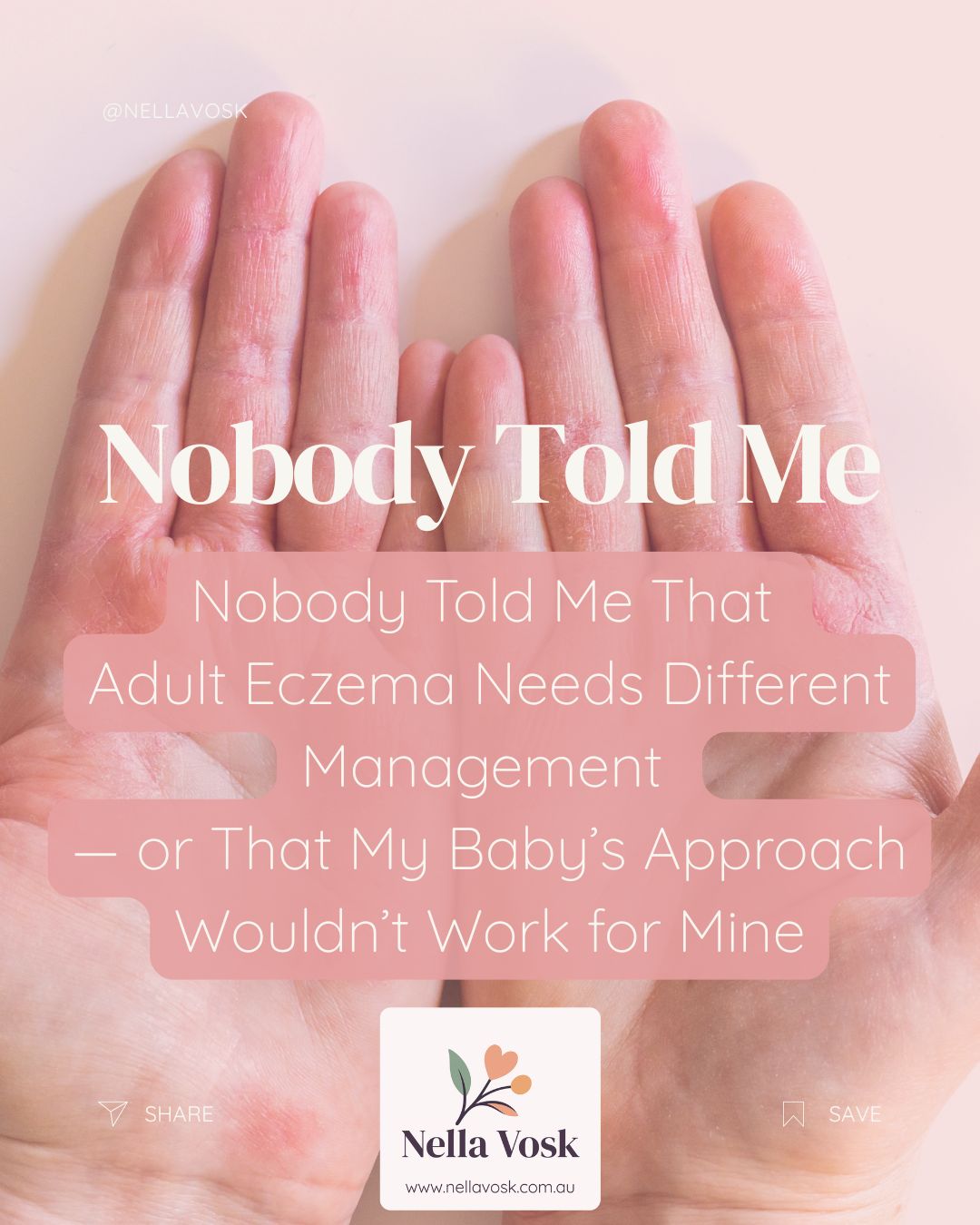
    Nobody Told Me That Adult Eczema Needs Different Management — or That My Baby’s Approach Wouldn’t Work for Mine
    Nobody Told Me That Adult Eczema Needs Different Management — or That My Baby’s Approach Wouldn’t Work for Mine

    Read More